Opinion
Diversify exports without abandoning apparel: Time to Re-Stitch Sri Lanka’s Export Story
13 Nov 2025
 0
0
406
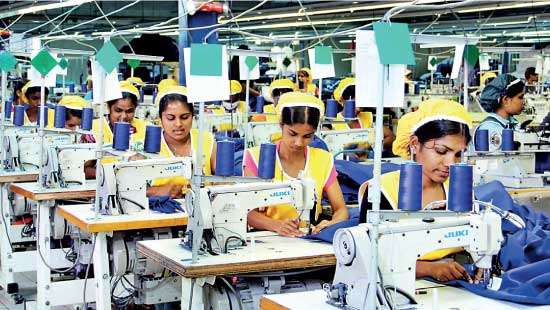
For five decades, apparel has been the backbone of Sri Lanka’s export story. It built factories, created jobs, and brought in precious foreign exchange. Yet the same sector that once powered Sri Lanka’s rise now limits its future.
Beware of Nursing services offered by the unscrupulous
13 Nov 2025
2
463
I am writing to share my experiences with a so – called private nursing company in Ratmalana whose services are unprofessional with their Manager hoodwinking the patients.

The man who annihilated the LTTE: Mahinda Rajapaksa - Sri Lanka’s most successful president
12 Nov 2025
3
3527
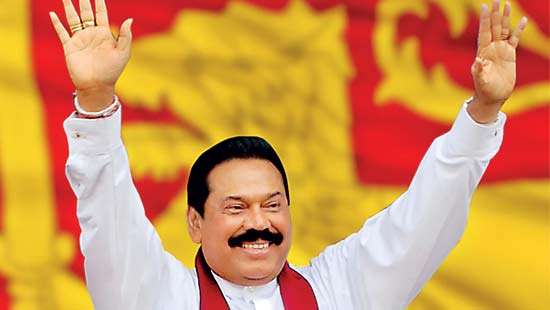
Last week, Veteran journalist D.B.S. Jeyaraj, writing the first of a two-part article on Mahinda Rajapaksa turning 80, aptly surmised the protagonist as ‘demonised by the opponents and deified by supporters’.
Budget 2026 : What about relief to people?
12 Nov 2025
1
235
Another bagful of promises was dished out to the public last week. But customary budget readings won’t suffice if these allocations don’t fulfil the demands of people.

Our public transport - a shameful story!
12 Nov 2025
1
380
For most Sri Lankans, getting from home to work is not just part of the day, it is a daily battle. Every morning, buses and trains are packed to the brim, people hang from doors, and tempers flare as commuters push their way through a system that seems to have forgotten who it’s meant to serve.

Education reforms must aim to overhaul socioeconomic structure
11 Nov 2025
0
230
There seems to be insufficient public discourse on the proposed education reforms, except for politically motivated or self-centred criticisms by political parties and trade unions. The students, who are the target group of these reforms and their parents seem to be in the dark.

Another bus tragedy
11 Nov 2025
0
375
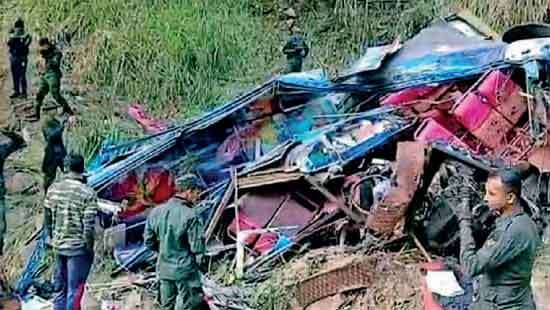
Despite the government’s efforts to minimise road accidents, especially due to speeding buses and three-wheelers, another tragedy occurred in Thalawa yesterday (10). A 17-year-old student who was going to sit for the A/L
The American Dream is now transformed Being an outsider is an asset in American politics
11 Nov 2025
0
224
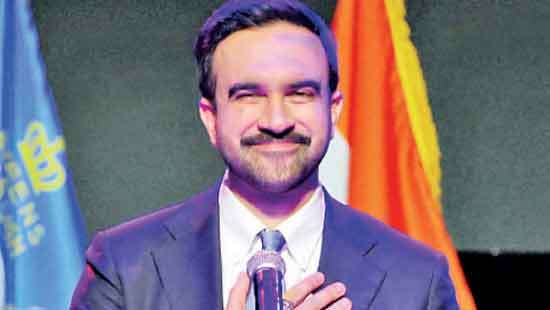
The victory of Zohran Mamdani in New York brings to mind the election of Barack Obama as US president in 2008. Whether voters will one day look back on Mamdani with the same misgivings they have for Obama today remains to be seen. But this is Mamdani’s moment, and a watershed for the beleaguered US Democrats.
Crisis of Human–Elephant Conflict; Falling back on failed strategies will not help
11 Nov 2025
0
278
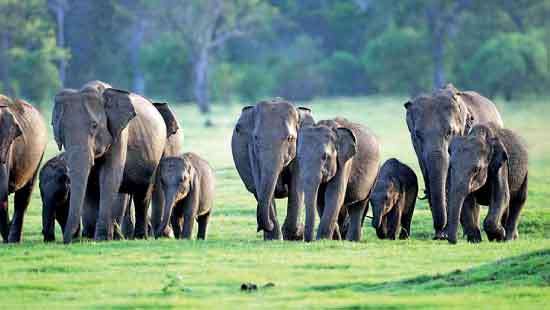
President Anura Kumara Dissanayake, in his capacity as Minister of Finance, presented the 2026 budget to Parliament on the afternoon of November 7. It is important to examine the proposals related to mitigating the human–elephant conflict —arguably the most serious socio-economic, environmental, and political problem currently facing Sri Lanka. Thousands of elephants, and nearly forty percent of the country’s land area, on which people live, are
Vested interests against the PM? Beyond Strikes: The Future Demands Education Reform Now
10 Nov 2025
1
394
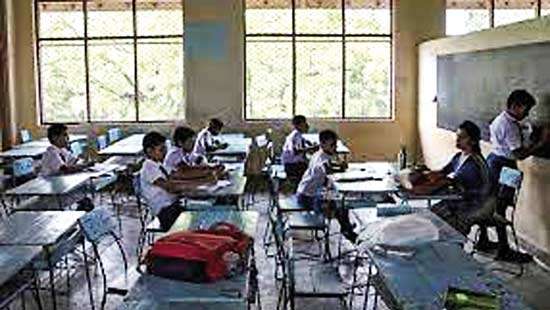
Education trade unions nationwide have joined forces against the reforms. The only unions not opposing the changes are those linked to a particular political party, ironically, the very organisations with decades-long records of blocking educational progress.
Sri Lanka’s recovery must not be a mirage!
10 Nov 2025
3
322
Three years ago, Sri Lanka was on its knees. Queues for fuel snaked for kilometres, electricity cuts plunged homes into darkness, and the shelves of pharmacies and supermarkets lay bare. It was not only an economic collapse — it was a collapse of confidence, governance, and faith. People felt abandoned by the very system meant to protect them.

Polythene ban ; Can regulation be reformed?
10 Nov 2025
0
173
While Asian nations from Bangladesh to Bhutan have taken bold, systemic steps to choke the polythene menace at its source, Sri Lanka still tinkers at the edges pretending regulation is reform.

Mahinda Rajapaksa at 80: Demonised by Opponents and Deified by Supporters
08 Nov 2025
0
9647
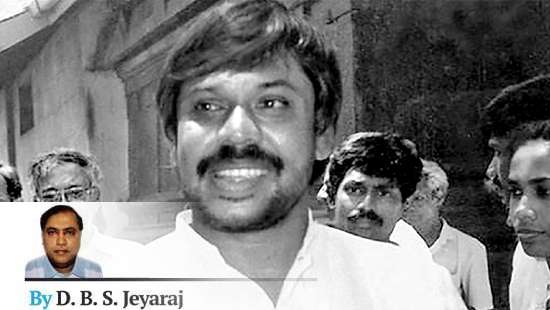
Mahendra Percy Rajapaksa, known to his country and the world at large as Mahinda Rajapaksa, will celebrate his 80th birth anniversary on November 18, 2025.
The IMF shadow falls on everyone: Does the NPP still enjoy the same public support?
08 Nov 2025
3
865
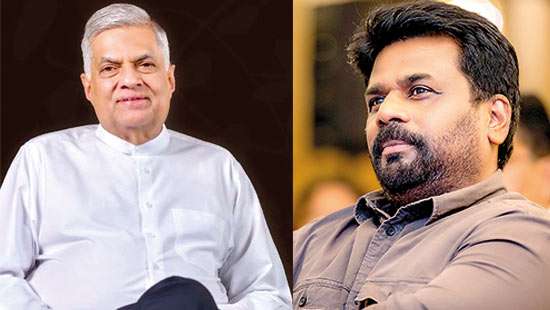
The group of Opposition political parties which call themselves Joint Opposition seems to have changed the theme of their rally that is scheduled to be held on November 21 at Nugegoda.
Safeguarding our natural resources in the post-war environment
08 Nov 2025
0
216
Sri Lanka has come a long way since the end of armed conflict. Even though reconciliation is an immediate goal in the aftermath of a war, successive governments have taken snail-paced efforts to achieve this goal.
Making Nurses’ Uniforms Shariah-Compliant for Muslim Women
08 Nov 2025
0
397
Ensuring dignity and inclusivity in the workplace is vital for a diverse nation like Sri Lanka. Among the issues calling for thoughtful consideration is the request for Muslim female nurses to be permitted a Shariah-compliant uniform within the state health sector.

2026 Budget: Govt should ensure economic transformation
07 Nov 2025
1
314
Today is the budget day. The NPP government, under the leadership of President Anura Kumara Dissanayake, will present its second maiden budget today when the country is at a critical juncture between hard-won stabilisation and the promise of sustainable growth. The past two years have been spent under the IMF programme, with the focus on restoring macroeconomic balance. Sri Lanka went for the IMF programme in March 2023 under the previous govern

United in diversity: The Asia-Pacific region’s path to inclusive social development
07 Nov 2025
0
193
The Second World Summit for Social Development, held in Qatar earlier this month, marked an important moment for global efforts to advance inclusive, equitable and sustainable development. Throughout the Summit, contributions from the Asia-Pacific region demonstrated that diversity is not a barrier but a strength in crafting people-centred solutions. Countries showcased innovative and scalable approaches to social protection, intergenerational so
Extending School hours—Is it a wise decision?
07 Nov 2025
0
407
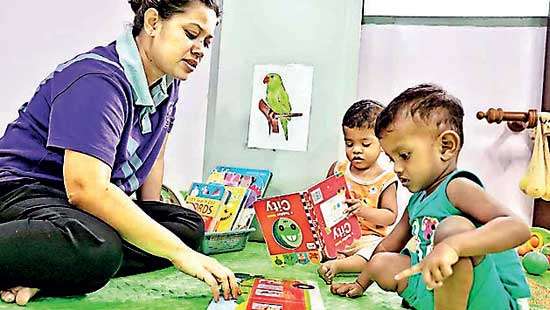
In regards to the government’s decision to extend the school hours by half an hour per day, I would like to share my opinion, as a guardian and citizen of our motherland. Among many reasons, the reasons given to this effect were to cover up the lost time during the pandemic and ease the burden of teachers’ workload.

The govt’s time has come to LISTEN to people and experts
06 Nov 2025
2
320
After several months of protests, the people of Mannar won their battle to save their soil from unplanned development projects. According to the cabinet decision on Tuesday, President Anura Kumara Dissanayake had instructed Power and Energy Ministry officials to refrain from continuing any major projects in Mannar without obtaining the consent from people. This is a positive development in terms of sustainable development, particularly because pe
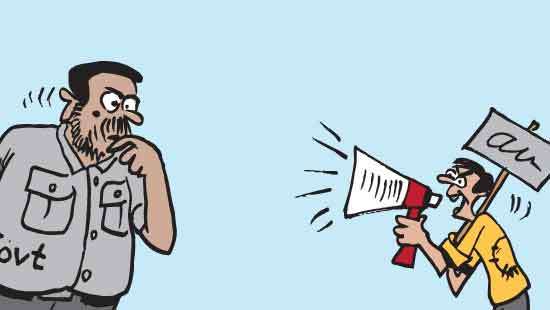
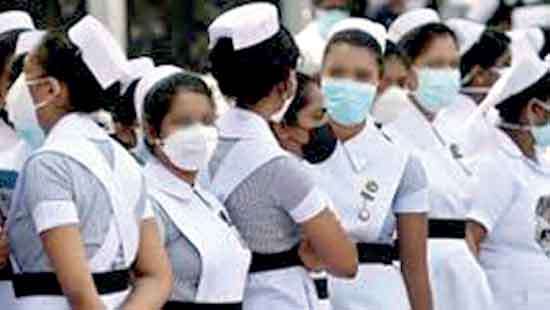
Controversy over Islamic dress in health sector State acquiesced Islamism could lead to parallel societies
06 Nov 2025
4
699
How far can a country go in accommodating its multicultural, multi-faith, and multi-racial character without amplifying the fault lines and developing parallel societies? This is not a question unique to Sri Lanka, but a global one. That, however, is the question one should ask about the recent government proposal, now seems to have been aborted, to accommodate long dresses and head coverings for Muslim health care workers.
Exploring Drug Addiction Decriminalisation as solution to drug abuse
06 Nov 2025
0
1336
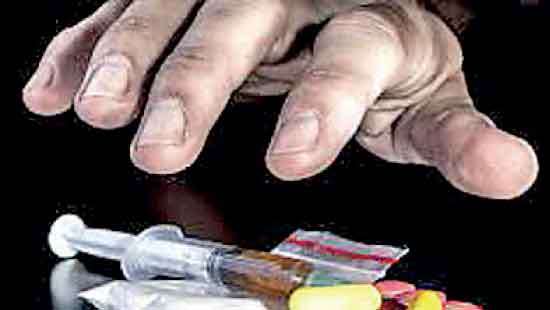
Drug addiction is a complex condition that affects individuals physically and psychologically. To fully comprehend this condition, it is essential to examine the interplay of biological, environmental, and social influences that contribute to its onset and progression, as well as to inform effective treatment strategies.
Lack of accountability in Sri Lankan society Muddled people creating a dysfunctional society
06 Nov 2025
13
2782
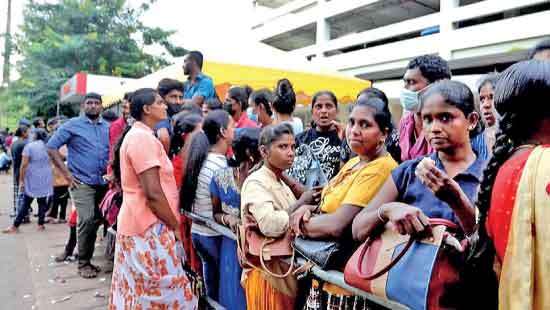
The incident I am going to relate now may seem unrelated to what follows. But it is related to the theme of this week’s column – the chronic lack of accountability that Sri Lankan society suffers from. Its moral compass is spinning wildly out of control.
About Local Tourism Earnings
06 Nov 2025
2
168
Writing with reference to your Business Page headline of 5th November: “Local tourism earnings clouded by outdated accounting.” It is deeply troubling that Sri Lanka continues to measure tourism income using incomplete, outdated methods — and then uses those figures as the basis for national development decisions.

From 2nd century BC to 20th century AD: Indian soldiers fought in Sri Lanka for various causes
05 Nov 2025
0
641
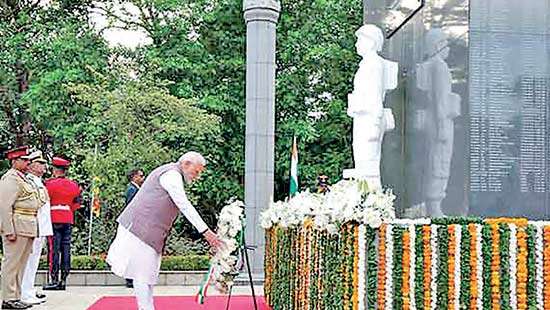
Sri Lankan rulers, whether indigenous or European, used soldiers from India in addition to local levies. This was due to a shortage of manpower in the island in comparison with India.
Do we really need the opposition to protest right now?
05 Nov 2025
0
414
The opposition has announced a major rally on November 21, as a first warning to President Anura Kumara Dissanayake, demanding that he fulfills the election pledges made to the nation.
What about an end to gun violence?
05 Nov 2025
1
137
The incumbent government’s attempt to eradicate drugs is commendable given the fact that they have pointed out ways in which the drug network has infiltrated into the Police and other law enforcement sectors.

WHEN WOMEN LEAD, NATIONS RISE
04 Nov 2025
1
449
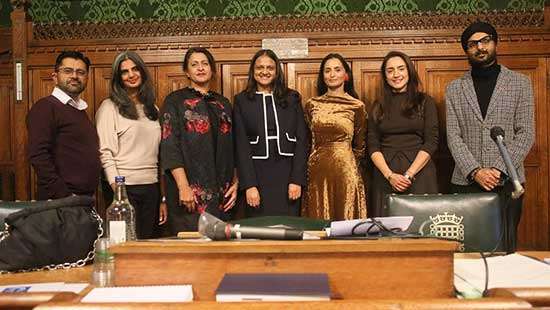
In the grand committee rooms of the British Parliament, under the portraits of old white men and centuries of history, I sat among women who embodied a new kind of leadership.
Are there MPs with weapons training?
04 Nov 2025
0
346
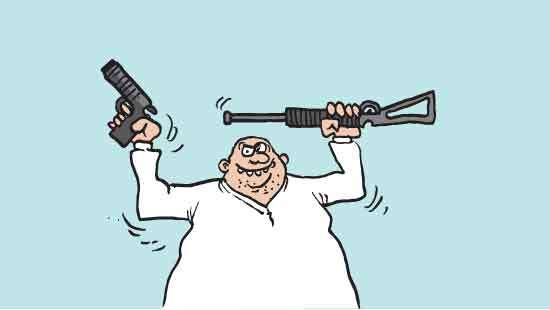
Media reports indicate that while several members of Parliament have received pistols for their protection, another twenty MPs have requested firearms to ensure their personal security.
Black economy and turf wars War on Drugs: Role of Parents, Teachers & Temples
04 Nov 2025
3
755
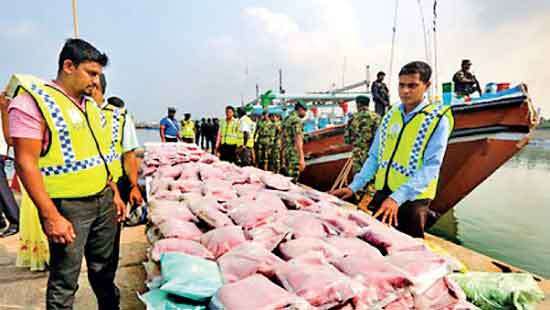
President Dissanayake issued an ultimatum to police and military personnel involved in narcotics trafficking: resign immediately or face decisive action without protection. However, these treacherous officers are unlikely to voluntarily come forward. The President must exercise his executive powers to investigate and remove them from service.