01 Jun 2026 - {{hitsCtrl.values.hits}}
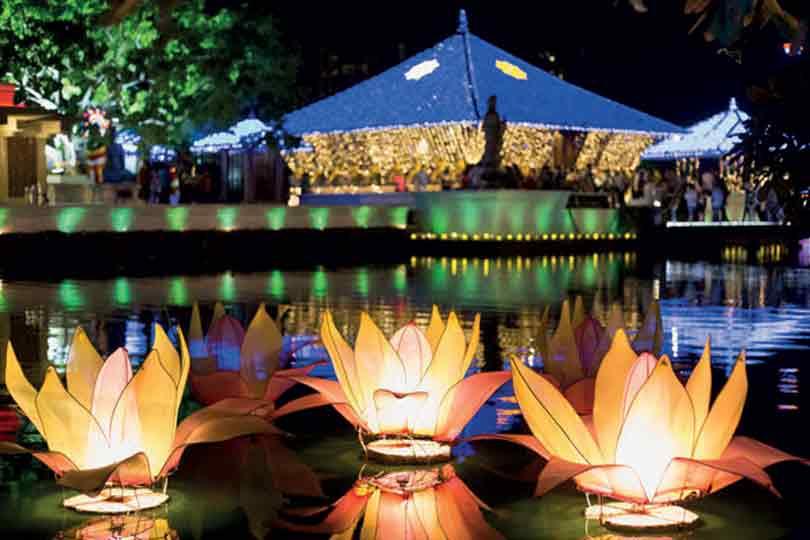
Vesak should also be a time for deep contemplation beyond festivities
 The arrival of Vesak brings with it an atmosphere of devotion, reflection, and serenity. Across Buddhist communities worldwide, homes and streets are illuminated with lanterns, temples overflow with worshippers, and acts of generosity become expressions of faith. Yet, Vesak is far more than a cultural or religious celebration. It is a sacred occasion that invites humanity to reflect on the life, teachings, and timeless wisdom of Gautama Buddha.
More than twenty-five centuries ago, Siddhattha Gautama was born into royalty in ancient India. Surrounded by luxury and comfort, he was protected from the realities of human suffering during his early life. However, encounters with old age, illness, and death shattered this sheltered existence and awakened within him a profound question about the nature of life itself. Why do human beings suffer, and is there a way to overcome suffering?
Driven by this search for truth, Siddhattha renounced palace life at the age of twenty-nine. Leaving behind wealth, privilege, and family attachments, he adopted the life of a wandering seeker. His journey was not motivated by personal ambition, but by a deep desire to understand existence and discover a path to lasting peace. In his search, the Bodhisatta studied under renowned spiritual teachers and mastered advanced meditation practices. Yet he soon realised that intellectual knowledge and temporary states of concentration alone could not provide complete liberation. He then embraced severe asceticism, believing that denying the body would free the mind.
For six years he endured extreme hardship, reducing himself almost to death through fasting and physical austerities. Ultimately, he understood that neither luxury nor self-torment could lead to enlightenment. This realisation became the foundation of the Middle Path, a balanced way of living that avoids both indulgence and harsh self-denial.
Seated beneath the Bodhi Tree at Bodh Gaya, Siddhattha entered deep meditation with unwavering determination. Through profound contemplation, he gained insight into the nature of suffering, the cycle of rebirth, and the causes that bind human beings to dissatisfaction and sorrow. At dawn, he attained enlightenment and became the Buddha, the Awakened One.
The Buddha’s realisation transformed spiritual thought. Instead of teaching salvation through rituals or divine favour, he pointed to a practical path rooted in ethical living, meditation, mindfulness, and wisdom. His teachings, known collectively as the Dhamma, continue to guide millions seeking peace and understanding.
Dhamma as universal truth
The Dhamma can be understood as the universal truth governing existence, the natural law underlying life itself. It explains reality as it truly is, rather than as human beings imagine it to be. The Buddha did not claim ownership of these truths; he simply discovered them through direct experience and encouraged others to investigate them for themselves.
One of the central principles of the Dhamma is the law of cause and effect, or karma. Every action, whether physical, verbal, or mental, produces consequences. Thoughts and actions rooted in compassion, honesty, and wisdom lead to harmony and wellbeing, while those driven by greed, anger, and ignorance inevitably create suffering.
The Buddha also emphasised impermanence. Everything in life, wealth, relationships, emotions, and even the human body, is subject to change. Much of human suffering arises because people cling to temporary things, expecting permanence where none exists. Understanding this truth allows individuals to face life with greater balance, acceptance, and inner calm.
Unlike systems based solely on belief, Buddhism encourages personal inquiry. The Buddha described his teaching as ehipassiko, meaning “come and see for yourself.” Followers are invited to test the teachings through experience, reflection, and practice rather than blindly accepting doctrine. In this sense, the Dhamma remains deeply practical and relevant to everyday life.
Following his enlightenment, the Buddha spent forty-five years travelling across northern India sharing his message. He spoke to kings and labourers, monks and householders, men and women alike. Rejecting rigid social divisions, he taught that a person’s worth depends not on birth or status, but on conduct and character.
These teachings continue to hold immense relevance today. Modern society, despite technological advancement, remains troubled by violence, inequality, greed, anxiety, and division. The Buddha’s message offers an alternative vision grounded in compassion, self-discipline, and understanding. In Sri Lanka especially, where Vesak is observed with great devotion, the Dhamma continues to shape moral and spiritual life.
Acts of generosity and kindness form an important part of Vesak observances. Many devotees observe sil, meditate, participate in religious programmes, and organise dansals to provide food and refreshments freely to the public. Others donate to hospitals, orphanages, and charitable institutions. Such practices reflect the Buddhist ideals of compassion and selflessness.
Vesak’s deeper meaning
However, amid the splendour of Vesak celebrations, there is also a growing need to reflect on the deeper meaning of the festival. The Buddha’s teaching was never centred on extravagance or public display. Its true focus was inner transformation, the cultivation of wisdom, morality, and mental discipline.
Today, Vesak is sometimes overshadowed by excessive competition in decorations and elaborate public spectacles. While these celebrations create joy and strengthen community spirit, they should not distract from the spiritual purpose of the occasion. The real tribute to the Buddha lies in practising patience, overcoming anger, speaking truthfully, and developing compassion toward all beings.
A lantern may brighten a street for a night, but the light of the Dhamma has the power to illuminate an entire life. Meditation, mindfulness, generosity, and self-reflection are the practices that truly honour the Buddha’s message. Vesak should therefore inspire people not only to celebrate outwardly, but also to examine their own thoughts, actions, and values.
The Buddha’s life itself remains a lesson in simplicity, perseverance, and compassion. He achieved enlightenment not through wealth or ritual, but through disciplined effort and deep understanding. His teachings remind humanity that lasting happiness cannot be found in material possessions or worldly success, but in inner peace and freedom from attachment.
As Vesak once again arrives under the full moon, its enduring message remains as relevant as ever. In a world increasingly shaped by materialism and conflict, the Dhamma continues to offer a path toward harmony, wisdom, and compassionate living. The true significance of Vesak lies not merely in celebration, but in awakening the light of understanding within ourselves and extending that light to others.
17 Jul 2026 1 hours ago
17 Jul 2026 3 hours ago
16 Jul 2026 16 Jul 2026
16 Jul 2026 16 Jul 2026
16 Jul 2026 16 Jul 2026