Reply To:
Name - Reply Comment
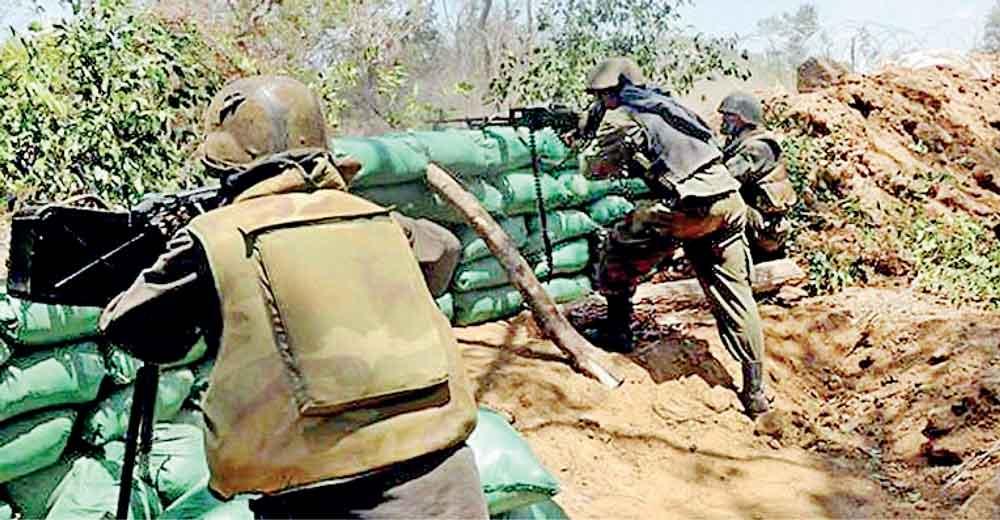
Numerous case studies highlight the moral injuries experienced by Sri Lankan combatants
By Ruwan Jayatunge
Moral injury refers to the deep psychological, behavioural, and spiritual turmoil that arises when an individual either engages in, witnesses, or fails to avert actions that contradict their core moral convictions (Litz, Brett et al., 2009). The term moral injury was coined by Dr. Jonathan Shay, a clinical psychiatrist, in the 1990s, while working with Vietnam War veterans, and he connected their deep psychological trauma not to fear, but to a profound sense of institutional betrayal. However, moral injury is fundamentally an age-old phenomenon that has persisted throughout human history, rooted in the existence of moral and ethical beliefs that can be violated (Koenig et al., 2021). Čartolovni and team (2021) argue that, in some cases, moral distress may become moral residue and, over time, culminate in moral injury. According to Griffin and associates (2019), such traumatic experiences can create a clash with one’s ethical beliefs, resulting in considerable distress and impairments in functioning.
Moral injury is an increasingly recognised phenomenon in mental health research, particularly relevant to current and former military personnel (Phelps et al., 2024). The trauma associated with warfare can inflict damage on various aspects of health, including physical, psychological, social, and spiritual well-being, thereby contributing to moral injury (Richardson et al., 2020). Moral injury arises when individuals in the military breach their fundamental moral convictions and values during combat situations (Koenig et al., 2021). This violation can lead to profound emotional distress, manifesting as shame, grief, a sense of meaninglessness, and remorse for transgressing core ethical beliefs (Brock & Lettini, 2012).
Moral injury, as outlined by Jones (2020), is defined by feelings of guilt, shame, and self-condemnation, which are often evident in combatants who have undergone traumatic experiences in battle. Williamson et al. (2025) characterise moral injury as a significant occupational risk, particularly prevalent among combatants, stemming from guilt and shame. In a soldier, moral injury develops through a specific cognitive transition in which the raw survival behaviours of combat collide with their peacetime moral upbringing. (Farnsworth,2022).
Mental health professionals have recognised the phenomenon of moral injury in Sri Lankan soldiers who were from 1976 until its defeat in 2009, which is often regarded as one of the most advanced insurgent groups globally.
The prolonged armed conflict in Sri Lanka has significantly contributed to the prevalence of moral injury among combatants (Jayatunge, 2013). Sri Lankan combatants often faced extended deployment periods, frequently spending up to a decade in active combat zones, which intensified the cognitive dissonance between their military actions and their cultural or religious values. Many soldiers grappled with deep psychological and ethical dilemmas during and after their service, sometimes being forced to undertake actions that conflicted with their personal moral convictions. Such experiences can evoke feelings of guilt, shame, and betrayal, especially as they reflect on their involvement in the conflict and the consequences of their actions.
The majority of combatants from Sri Lanka identify as Buddhists, a faith that emphasises the principles of karma and the cycle of rebirth. This belief system inherently instills a profound sense of moral responsibility and ethical conduct, which can lead to significant psychological distress when individuals engage in acts of violence or warfare that contradict their spiritual values. As a result, these combatants often experience moral injury, a condition characterised by the internal conflict arising from actions that violate their deeply held beliefs.
Need for psychological support services
During the Eelam war in Sri Lanka, psychological support services were severely lacking and not prioritised, resulting in inadequate treatment for the psychological scars left by the conflict. The insufficient availability of mental health resources, combined with the societal stigma associated with mental health issues, exacerbated the moral injuries experienced by individuals affected by the war. Many former combatants continue to experience PTSD, depression, adjustment disorders, and moral injuries. These conditions manifest not only as psychological issues, but also pose substantial barriers to their reintegration into civilian life, resulting in numerous soldiers facing difficulties in adapting after their service.
Numerous case studies highlight the moral injuries experienced by Sri Lankan combatants. One notable incident involves Major SE, who was ambushed by LTTE militants in a northern village, leading to a fierce firefight. Surrounded by the enemy, Major SE desperately returned fire when an elderly civilian woman inadvertently opened a window to observe the chaos. Mistaking her for an adversary, he shot at the window, tragically wounding the old woman fatally. Despite successfully repelling the enemy and returning to camp, the psychological toll of this traumatic event lingered with Major SE for an extended period. Major SE later recounted that his bullet shattered the old woman’s jaw, resulting in significant blood loss. Tragically, she succumbed to her injuries within hours due to the severe bleeding. Major SE endured the profound effects of moral injury, grappling with a range of distressing symptoms that persisted for many years following his wartime experiences.
Another soldier reported experiencing moral injury as a result of exposure to traumatic combat situations. In April 2000, during the Elephant Pass debacle, troops were compelled to retreat to the Soranpattu-Palai defence line, enduring a gruelling 16-kilometre march under the scorching sun, without water, and while facing enemy mortar and sniper fire. Among the retreating soldiers was Corporal K, who witnessed many of his comrades fall victim to enemy attacks and heat strokes. In the midst of this chaos, a wounded soldier implored Corporal K for assistance, but the dire circumstances left little room for altruism, forcing him to decline. The wounded soldier, however, shared his name and address, requesting that Corporal K convey his final words to his family. Although Corporal K promised to honour this request, a few kilometres near the Sorampattu- Palali defence line, Corporal K succumbed to heat stroke and lost consciousness. Fortunately, he was rescued by fellow soldiers and transported to a hospital. Upon regaining consciousness days later, Corporal K had forgotten the dying soldier’s name and address. This incident ignited deep shame and guilt in him, which he suffered for many years.
Soldiers can experience moral injury from killing enemy combatants, even when the killing is entirely legal, justified, and necessary for survival (Maguen et al., 2010). The subsequent case study illustrates such an incident.
Sergeant Sx78 dedicated nearly a decade to service in combat zones, notably enduring intense battles while defending the Jaffna Fort, which was besieged and subjected to heavy enemy fire. During the critical operation known as “Midnight Express,” he played a pivotal role in rescuing trapped troops, resulting in the death of five enemy combatants. However, in the years that followed, he became increasingly troubled by the moral implications of these actions, reflecting on the humanity of those he had killed. He expressed a deep understanding of their backgrounds, recognising that they were often impoverished youths, manipulated by hatred and left with few choices. This realisation weighed heavily on him, as he grappled with the harsh realities of war, where survival often necessitated lethal force. Acknowledging the conflict between his actions and his Buddhist beliefs, he felt a profound sense of guilt, believing that he would ultimately face karmic consequences for his deeds. This inner turmoil has led him to seek solace in spirituality, aspiring to become a monk upon his retirement from military service.
The prolonged exposure to the tumultuous realities of war and chaos can significantly alter an individual’s psychological framework, leading to profound changes in their mental and emotional state. In the aftermath of such distressing experiences, many individuals may encounter moral injury. Research indicates that cumulative war trauma can lead to moral injury among soldiers (Wisco et al.,2017).
Lt. Colonel LX is a seasoned field officer whose extensive involvement in numerous military operations spanned the entirety of the war, concluding in 2009. Throughout this tumultuous period, he was frequently confronted with the harrowing realities of combat, witnessing the tragic deaths and injuries of fellow soldiers, often in scenarios that left them vulnerable and defenseless. Moreover, his experiences extended beyond the battlefield, as he observed the profound effects of warfare on civilians in the northern regions, who bore the brunt of collateral damage and suffered immensely due to the conflict. The psychological toll of these experiences was significant, as he encountered the deep-seated human suffering that often accompanies war trauma. In the aftermath of the conflict, Lt. Colonel LX retreated into seclusion, grappling with the weight of his memories and developing a more cynical perspective on life, shaped by the stark realities he had witnessed. He is experiencing a range of psychological and emotional symptoms that are significantly impacting his overall well-being, characterized by a profound sense of loss of meaning in his life.
Following the Eelam war in Sri Lanka, numerous combatants were found to be suffering from post-traumatic stress disorder (Jayatunge, 2004). It is essential to distinguish between combat-related PTSD and moral injury, as they stem from different sources. There are many differences between combat-related PTSD and moral injury. While PTSD is driven by fear and threat, moral injury is driven by a collapse of a person’s ethical framework (Farnsworth et al.,2017). When a soldier experiences moral injury, it profoundly impacts their personality, identity, and behaviour (Litz et al., 2009). Unlike PTSD, which is primarily a fear-based response, moral injury represents a wound to the conscience, leading to significant psychological, relational, and behavioural challenges (Barnes et al.,2019).
Moral injury often results in a collapse of identity and self-worth, characterised by aggressive self-loathing and an overwhelming sense of chronic shame and guilt (Farnsworth et al., 2014). Furthermore, deep cynicism and a loss of trust emerge, eroding the soldier’s faith in the military hierarchy, political leaders, and the institution as a whole, which can extend into their civilian life (Shay, 2014). The consequences may include a loss of faith and a descent into existential nihilism, relational destructiveness, and isolation. Additionally, self-sabotage and self-punishment frequently occur, often accompanied by engagement in high-risk behaviours (Griffin et al., 2019).
Specialised treatment for moral injury in soldiers is essential, as neglecting this issue can result in severe consequences, including a total collapse of identity, increased social isolation, and a heightened risk of suicide (Bryan et al.,2014). Once moral injury occurs, evidence-based clinical therapies become essential to address the profound shame and guilt experienced by these individuals.
Adaptive Disclosure (AD) is one of the premier, evidence-based treatments developed specifically for moral injury in military personnel (Litz et al., 2016). Adaptive Disclosure (AD) integrates focused imaginal exposure with organised, real-time dialogues to assist military personnel in addressing and processing the unique emotional traumas associated with combat experiences.
Another effective intervention is Trauma-Informed Guilt Reduction (TiGR) Therapy, which evaluates the realities of a crisis, enabling soldiers to discern what they could control versus what was beyond their influence during chaotic situations (Norman et al.,2019). Additionally, spiritual therapy plays a crucial role in addressing moral injury. Spiritual therapy heals moral injury by directly addressing the existential and metaphysical wounds (Carey et al.,2026).
Group therapy sessions and Peer support groups enable veterans to share their experiences with others who have faced similar combat situations, fostering a sense of normalcy in their reactions to trauma. Creating safe spaces for open discussions about deeply held shame is vital for bringing these hidden memories to light (Allbaugh, Placeres & Toor, 2023). Furthermore, mindfulness breath meditation and loving-kindness meditation (LKM) are highly effective tools for healing moral injury (Kelley et al., 2025).
Moral injury among Sri Lankan combatants who took part in the Eelam War represents a significant yet under-explored area of research that warrants immediate attention. It is crucial to accurately diagnose the presence of moral injury in these veterans, as it can manifest in various ways, including feelings of guilt, shame, and a diminished sense of self-worth. Furthermore, providing appropriate psychological support tailored to the unique experiences of these combatants is essential for their recovery and reintegration into society. By addressing this critical issue, we can not only aid those who have suffered in silence but also contribute to a broader understanding of the psychological ramifications of war, ultimately fostering a more compassionate approach to veteran care in Sri Lanka.