27 May 2026 - {{hitsCtrl.values.hits}}
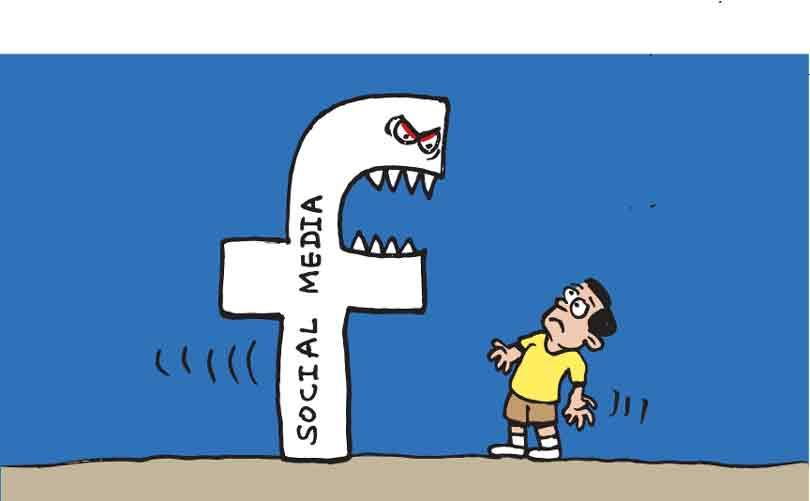
 Childhood should be a time to build character, learn values and develop real relationships Childhood should be a time to build character, learn values and develop real relationships |
Sri Lanka is at a point where it must make an important decision about its children and their future. Social media has become a powerful part of daily life, but for young people, especially those under 16, it is doing more harm than good. The government has already discussed bringing in a law to restrict social media use for children. What is needed now is not more discussion, but action.
For many children today, social media is not just entertainment. It is where they try to build their identity and find acceptance. But at such a young age, this can be confusing and harmful. Instead of growing through real life experiences, friendships and studies, they are influenced by what they see online. Much of this content is unrealistic and often toxic.
Teachers and parents are already seeing the effects. Children are more distracted, less focused on their studies and often anxious. It is becoming harder for them to concentrate in school. Many parents struggle to control what their children are watching or doing online. This creates a situation where children are exposed to harmful content without proper guidance.
One of the biggest concerns is online bullying. In the past, bullying ended when a child came home from school. Today, it follows them everywhere through their phones. Hurtful messages, exclusion and pressure from peers continue day and night. This can seriously affect a child’s mental health, leading to low confidence and emotional stress.
Another issue is the false image of life that social media creates. Children see pictures and videos that show perfect lives, beauty and success. They begin to compare themselves to these unrealistic standards. In a country like Sri Lanka, where many families are still facing economic challenges, this can make children feel unhappy and inadequate.
Some people argue that social media is useful for learning and communication. While this may be true, children do not need full access to all platforms at a young age. There are safer and more controlled ways for them to learn and stay connected. Giving them unrestricted access too early does more harm than good.
There are also concerns about whether such a ban can be enforced. It is true that some children may try to find ways around it. But that does not mean the law should not be implemented. Laws are important because they set limits and show what society believes is right. This law would clearly show that protecting children is a priority.
This is not about cutting children off from the world. It is about giving them the time and space to grow properly. Childhood should be a time to build character, learn values and develop real relationships. These things cannot be replaced by time spent on screens.
The government has already recognised this issue. Now it must act without further delay. Along with the law, there should be awareness programmes to educate parents and children about the risks of social media. Schools can also play a role in guiding students on safe and healthy use of technology.
Sri Lanka has always valued education and family life. Protecting children from the negative effects of social media is part of that responsibility. This is not about stopping progress, but about managing it in a way that benefits society.
If we delay, more children will be affected by the harmful side of social media. If we act now, we can help them grow into confident and balanced individuals.
The decision is simple. Sri Lanka must move forward and implement this law soon, for the sake of its children and their future.
11 Jul 2026 18 minute ago
11 Jul 2026 2 hours ago
11 Jul 2026 3 hours ago
11 Jul 2026 3 hours ago
11 Jul 2026 3 hours ago