Reply To:
Name - Reply Comment
The current education system needs a major overhaul to move away from rote learning and towards critical thinking, problem-solving, and creativity
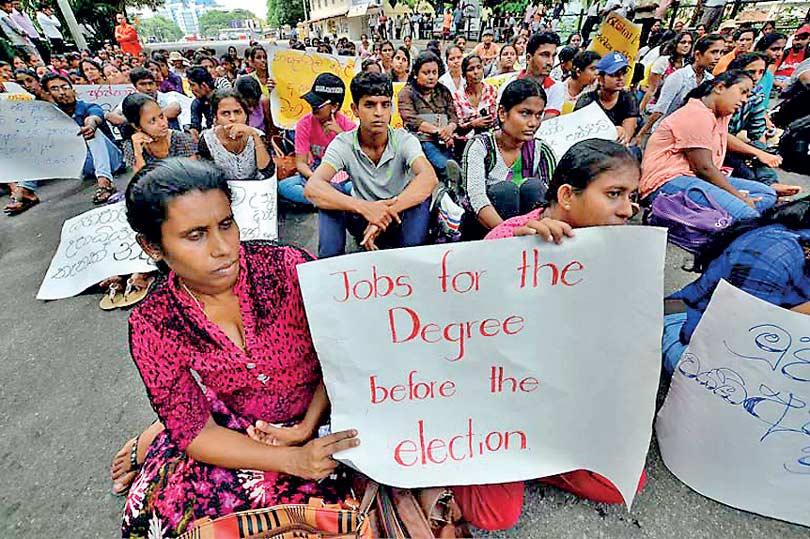
 Sri Lanka’s youth unemployment rate has consistently been higher than the national average. In 2022, for instance, the unemployment rate for those aged 20-29 was 16.2%, significantly above the national rate of 4.7%. This issue is even more acute for young women, with female youth unemployment rates often double those of their male counterparts. A major contributing factor is the disconnect between the traditional, academic-focused education system and the demands of a rapidly evolving job market. Many graduates find themselves ill-equipped with the practical, technical, and soft skills required by employers. Furthermore, a pervasive cultural bias towards government jobs over private sector employment exacerbates the problem. The result is a cycle of frustration, underemployment, and a “brain drain” as talented young people seek opportunities abroad.
Lessons from Singapore: A Model of Strategic Development
Singapore’s transformation from a developing nation to a global economic powerhouse offers a compelling blueprint for Sri Lanka. A key to their success was a strategic and forward-looking approach to human capital development, with youth at its core.
1. Education and Skills-Based Training
Singapore’s education system is meticulously designed to meet economic needs. The government channels secondary school graduates into different pathways—Institute of Technical Education (ITE), polytechnics, and junior colleges—based on their aptitudes and interests. This approach ensures that a diverse range of skills, from technical to academic, are cultivated. The ITE and polytechnics, in particular, provide hands-on, practical training that prepares students for specific industries.
Sri Lanka can adopt a similar model by strengthening and rebranding its vocational and technical education sector. Instead of being seen as a last resort, technical and vocational education and training (TVET) should be promoted as a prestigious and valuable pathway to high-paying jobs. The curriculum must be modernized to include skills in high-growth sectors like IT, renewable energy, and advanced manufacturing. Partnerships between educational institutions and private industries are crucial to ensure that training programs are relevant and graduates are immediately employable.
2. Lifelong Learning and Adaptability
Singapore’s SkillsFuture program is a prime example of a national commitment to lifelong learning. This government-led initiative provides citizens with credits to pursue a wide range of courses throughout their lives, encouraging them to continuously up skill and reskill to remain relevant in a changing economy. This proactive approach to skill development contrasts sharply with a system where education is often seen as a one-time process.
Sri Lanka could launch a similar national initiative, perhaps called “Lanka SkillsUp,” to empower its workforce, especially young people. Providing financial incentives or a skills voucher system for youths to enroll in short-term courses on digital marketing, data analysis, and coding would significantly improve their employability. This would also foster a culture of adaptability, crucial for navigating the uncertainties of the global economy.
Beyond simply creating jobs, Sri Lanka must empower its youth to become job creators. A strong entrepreneurial ecosystem is vital for a dynamic economy.
*Opens in a new window
*Licensed by Google
*Conceptual display Startup Incubator. Business showcase Concept that can be used
1. Nurturing Startups from the Ground Up
Singapore has built a robust ecosystem for startups through a combination of government support and private sector collaboration. Initiatives like grants, mentorship programs, and easy access to co-working spaces help young entrepreneurs turn their ideas into viable businesses. They also benefit from a simplified regulatory environment that reduces the bureaucratic burden of starting a company.
In Sri Lanka, the government should create dedicated youth entrepreneurship hubs in every province. These hubs would offer not just physical space, but also a full suite of services, including business development training, legal and financial advice, and networking opportunities. A national competition, similar to the “Youth Entrepreneur Spark” (YES) award in collaboration with the International Labour Organization, could be scaled up to identify and support the most promising young innovators. Additionally, simplifying the process of registering a business and providing tax breaks for youth-led startups would lower the barriers to entry.
2. Access to Finance
Access to capital is often the biggest hurdle for aspiring entrepreneurs. Singapore has addressed this through a variety of government-backed loan schemes and venture capital funds that specifically target young startups.
Sri Lanka’s financial sector can be encouraged to provide micro-loans and startup grants tailored for young entrepreneurs, perhaps with lower interest rates and flexible repayment schedules. A government-backed fund could also be established to co-invest with private venture capital firms, de-risking the process for private investors and encouraging more capital to flow into the startup ecosystem.
Recommendations for a Holistic Approach
To truly unlock the potential of Sri Lanka’s youth, a holistic, long-term strategy is required.
1. Revamping the Education System
The current system needs a major overhaul to move away from rote learning and towards critical thinking, problem-solving, and creativity. Introducing career guidance and counseling at an early age is essential to help students make informed choices about their future. Curricula should be updated to include compulsory training in soft skills like communication, teamwork, and leadership. Furthermore, establishing stronger ties between universities and industries is paramount to align academic programs with market needs.
2. Promoting Digital Inclusion
The future of work is digital. Sri Lanka must invest heavily in improving digital literacy and infrastructure, particularly in rural areas. Providing affordable internet access and devices, along with training programs in digital skills, will enable young people from all corners of the country to participate in the digital economy. This can also help to address geographical disparities in employment opportunities.
3. Empowering Young Women
Addressing the disproportionately high rate of female youth unemployment requires targeted interventions. This includes promoting flexible work arrangements, providing safe transportation, and challenging cultural norms that restrict women’s participation in the workforce. Programs that specifically mentor and fund female-led startups can help to close the gender gap in entrepreneurship.
4. Policy Integration and Stakeholder Collaboration
No single institution can solve this problem alone. A “National Youth Employment Policy” must be formulated in consultation with all key stakeholders—the government, private sector, educational institutions, and youth themselves. This policy should have clear, measurable goals and be supported by a dedicated task force to ensure its implementation. The active involvement of youth in the policy-making process, as seen in Singapore’s Youth Panels, will ensure that the solutions are relevant and effective.
In conclusion, Sri Lanka stands at a pivotal moment. The country’s young population represents a tremendous asset that can drive economic resurgence and sustainable growth. By learning from the experiences of successful nations like Singapore and implementing bold reforms in education, entrepreneurship, and policy, Sri Lanka can transform its youth from a frustrated demographic into the architects of its prosperous future. The time to act is now.
(The writer is a battle hardened Infantry Officer who served the Sri Lanka Army for over 36 years, dedicating 20 of those to active combat. In addition to his military service, Dr. Perera is a respected International Researcher and Writer. He holds a PhD in economics and is an entrepreneur and International Analyst specializing in National Security, economics and politics. He can be reached at [email protected] )