Opinion
Sexual harassment, road accidents and corruption in Lanka
14 May 2025
 4
4
698
According to media reports and police department statistics, during the 11 months up to January this year, Sri Lanka recorded 2,937 crimes against children. This number includes 1,526 cases of rape and 544 instances of serious sexual abuse.

Double standards in enforcing the law?
14 May 2025
1
169
A popular teacher who recently gained much attention for ‘renting out’ a police squad for her grand scale scholarship awarding ceremony at BMICH is now at large as she is being hunted down for allegedly assaulting a domestic working at her education institute.

High time to amend LG election law
13 May 2025
2
348
The National People’s Power (NPP), subsequent to the May 6 local government elections, has encountered the same problem the Sri Lanka Podujana Peramuna (SLPP) faced following the 2018 local council elections.

Another Vesak, another celebration
13 May 2025
1
185
The spirit of Vesak is in full swing with over 8000 dansal being organised across the island. These are in fact the registered dansal and there could be much more done in a smaller scale.

Domestic and international implications of Bangladesh ban on Awami League
13 May 2025
0
288
On Saturday, May 10, the Yunus government banned all activities of the Awami League under the Anti-Terrorism Act until the trial of the party and its leaders is completed. Law, Justice and Parliamentary Affairs Adviser to the Interim government, Asif Nazrul, made the announcement after an emergency meeting of the Advisory Council at around 10:55 pm on Saturday.
Trump’s Tariff Rampage:Real Policy or Ulterior Motive?
12 May 2025
0
586
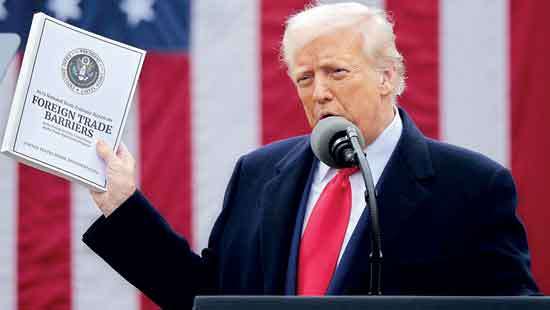
In ancient times, geographers named cyclones after women due to their perceived unpredictability. Today, if one were to name a cyclone after a political figure, it might well be called “Trump” — a nod to the erratic and often shocking decisions made by President Donald Trump since securing a second term in office.
Avoid Two Extremes; Live in the Present Moment: The Buddha’s Message
12 May 2025
0
307
Each year, Vesak arrives with its familiar rhythm—lanterns lighting up homes and temples, children dressed in white visiting Dansal stalls, families tuning into televised sermons.
The Indo-Pak war, managing international relations and the IPL
12 May 2025
1
292
Our country sits astride major sea lanes. Connecting Africa, the Middle East, and Asia. Particular leaders of our country have been able to navigate the ship of our state - through turbulent waters - avoiding stepping on the toes of warring nations like India and Pakistan.
What is the solution for road accidents?
12 May 2025
4
398
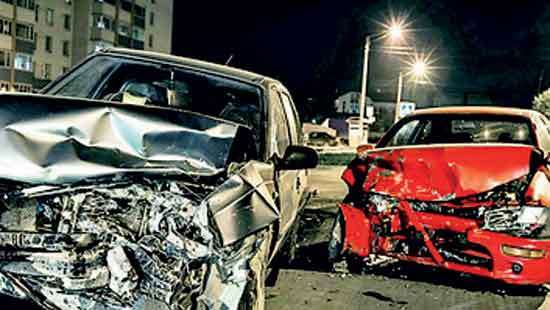
The spike in the number of road accidents over the past 24 hours speaks volumes about policy level interventions that need to be taken to protect citizens.
“Brigadier” Balraj - adored by his men but admired even by the army
10 May 2025
0
13651
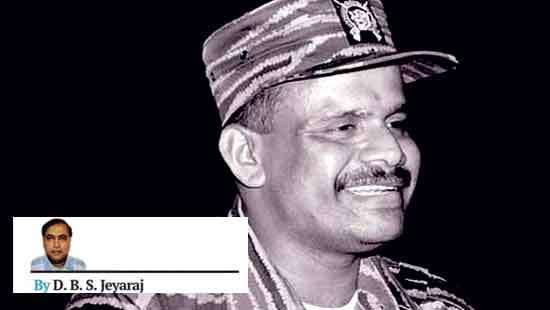
Former Liberation Tigers of Tamil Eelam (LTTE) deputy military chief Kandiah Balasegaran alias ‘Brigadier’ Balraj is regarded as the finest military commander the Tigers ever had.
HUNG COUNCILS, THE RESULT OF MIXED ELECTORAL SYSTEM
10 May 2025
2
528
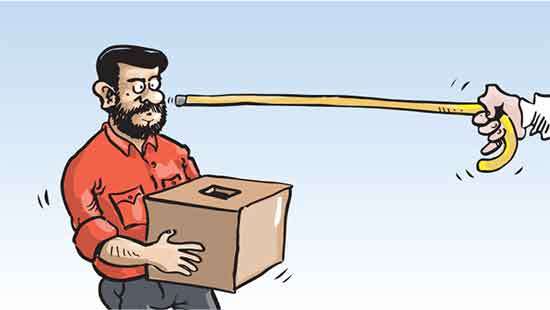
The analysis of the results of the local government elections held on May 6 by political parties are very interesting since no party has been defeated, every party has something to brag about.
LG elections and leadership of local bodies
10 May 2025
0
309
The local government elections have been held. The National People’s Power (NPP) emerged overall winners as predicted in these columns on polling day.
Rise an Hour Earlier – A Bright Step Toward Progress!
10 May 2025
1
215
Let us start the day one hour earlier. By making full use of natural daylight, we can take a bold step toward saving electricity and improving national productivity— especially in these challenging times.

One wily old man possibly likes these polls results
09 May 2025
3
772
Sri Lankans have a geographical location which invites foreign invasion or occupation by outside forces. Centuries ago, there were a large number of invasions into this land. But today’s little Sri Lankans are basically given lessons in history at school in a way that they remember mostly the occupations of this island by the Portuguese, the Dutch and the English. They were forced occupations.
World cannot stay idle as nuclear-armed India and Pakistan are drawn to war
09 May 2025
0
1605
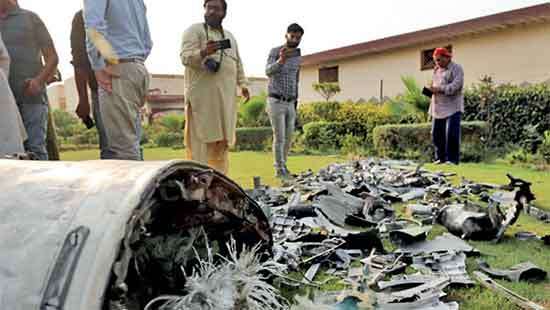
The world cannot remain silent when two nuclear powers—India and Pakistan—are gearing up for war. Such a conflict is in the interest of neither the two countries nor the rest of the world. A nuclear war, in which there are no winners but only losers, will precipitate a disaster of apocalyptic proportions with devastating consequences for decades to come, not only for the two countries but for the surrounding region and even the entire world.
Beware of fake job advertisements on social media
09 May 2025
0
718
It has come to light that certain advertisements circulating on Facebook are offering unusually high salaries to individuals with no prior experience. These ads, often quoting daily wages ranging from Rs. 40,000 to Rs. 50,000

The Govt. should now work in the best interest of citizens!
08 May 2025
2
392
The National People’s Power emerged clear victor at the recently concluded Local Government polls, which was conducted after a hiatus of seven years. The party secured 4,503,930 votes (43.26%) and 3,927 seats across Sri Lanka, leading 266 local councils. These include 23 Municipal Councils, 26 Urban Councils, and 217 Pradeshiya Sabhas. During the 2018 local government elections, it was the Sri Lanka Podujana Peramuna (SLPP) spearheaded by former

A call to end University Ragging
08 May 2025
1
745
A university is an institution for academic development and the promotion of a critical learning environment. Hence, universities should be an exemplary place, way beyond the social norms. It’s a place where the cream of students are identified in schools and nurtured to take responsible positions around the globe. Therefore, the Chancellors and the administrative bodies should not allow such places to be used by the inhumane for flashy words ca

The Crow and the politician
08 May 2025
0
363
At the time of writing, the National People’s Power is leading the count after the LG Polls and there is a prominent advertisement carried on television about the perishing of crows.
Elections were a test for JVP’s commitment to democracy, and it passed
07 May 2025
0
847
For those of us who held reservations about the NPP government, one of the greatest concerns was that the 2024 election, which swept to power, could well be the last free and fair election in the country.
Elections, hypocrisy, tall tales and trails of broken promises
07 May 2025
0
330
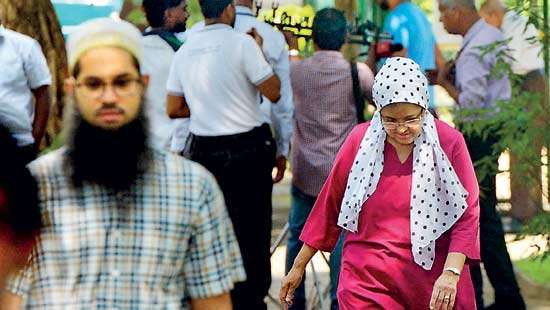
On 6 May (yesterday), fellow citizens of this emerald isle of ours wended their way to polling stations in villages and towns of our country.
Why make post-mortems mandatory for all deaths of children under 5 years?
07 May 2025
3
384
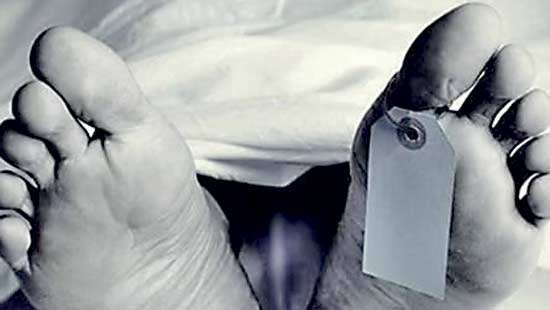
The Ministry of Justice and National Integration has informed coroners that deaths of all children under the age of five will be subject to a mandatory post-mortem examination.
Why is the law not implemented against ragging?
06 May 2025
2
383
Ragging in universities seems to have claimed another innocent life, that of 23-year-old undergraduate Charith Dilshan, a second-year student of the Department of Engineering Technology at the Sabaragamuwa University. He allegedly committed suicide at his home in Gampola on April 29 due to ragging by the senior students of the university, according to his fellow students.

Valuing People over Property: Social Housing for Colombo’s Working Classes
06 May 2025
0
606
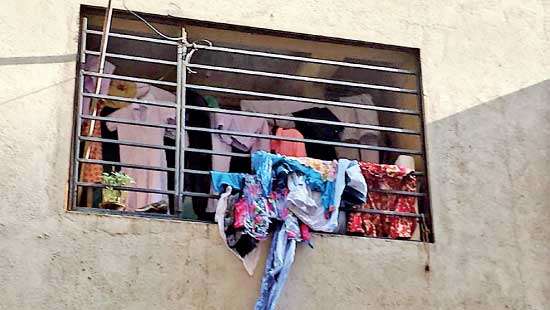
Colombo’s working class— 50% of the city’s population—are central to its economy and vibrant culture, but have historically been marginal to Colombo’s development agenda. Following the end of the war, however, they came into sharp focus. The Urban Regeneration Programme (URP) classified 53% of Colombo’s population as living in ‘underserved settlements’ – a term strategically deployed to deliberately misrepresent working-class
Improvement of Productivity in the Public Sector
06 May 2025
1
195
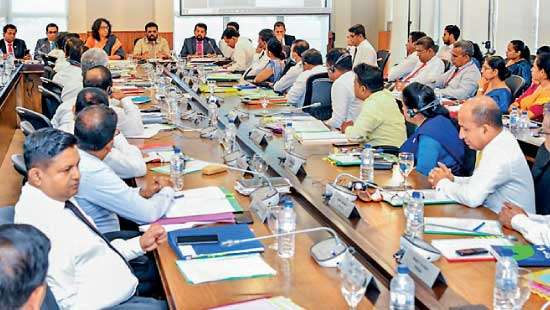
Peter F. Drucker, professor of Social Science and Management at Claremont University, California, in his book titled “Management Challenges for the 21st Century” has specified that “the productivity of the manual worker has created what we now call developed economies”. “Fifty years from now (the book was first published in the year 2001), if not much sooner, the leadership in the world economy will have moved to the countries and to the industri
Car ownership: Are we going to be another Cuba?
06 May 2025
4
900
The price tag for a brand new 1200 cc car caught my eye–Rs. 9.9 million. Cool, outrageous and whopping? You can choose your adjective.

“Are Our Local Authorities Prepared for a ‘Clean Sri Lanka’”?
06 May 2025
1
152
“Are Our Local Authorities Prepared for a ‘Clean Sri Lanka’”?

May days from 1930s to 80s; battling Ideologies, entertainment and “Clean the Green”
05 May 2025
1
370
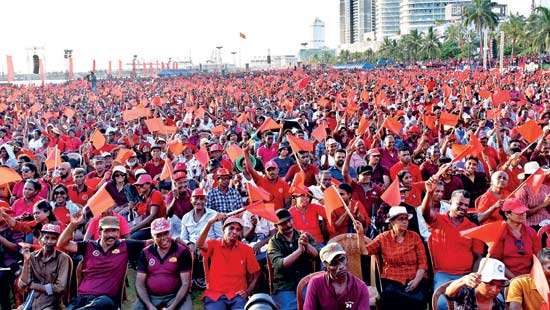
Another May Day has come and gone, with the governing party commanding impressive attendance, filling the Galle Face Green for the second time in five years.
Moving Towards a Development Bank
05 May 2025
2
560
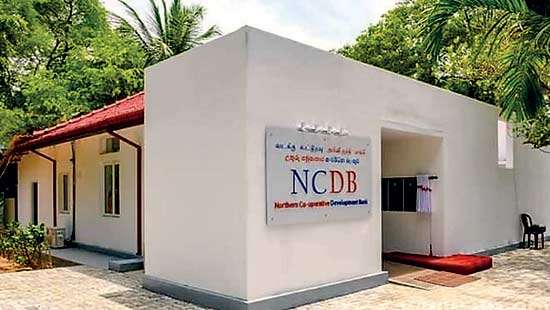
Some ideas simmer in our national imagination for years, if not for decades, before they gain fruition.
Elections, broken promises and paid protests outside a High Commission
05 May 2025
0
321
Tomorrow (6 May) Lankans of voting age, will once again wend their way to polling stations for the third time in seven months.