Editorial
Sri Lanka’s economic recovery from coronavirus
17 Apr 2020
 0
0
1869
The purpose of this article is to suggest how Sri Lanka can undertake significant structural reforms in the aftermath of this global pandemic and place herself in a position of increased economic strength.
ICC’s crusade to safeguard future functioning of global economy
17 Apr 2020
0
550
International Chamber of Commerce Sri Lanka (ICCSL) Chairman Dinesh Weerakkody speaks about the International Chamber of Commerce’s (ICC) global response to the coronavirus (COVID-19) to provide businesses with hope during these challenging times.

Smoking cessation in Sri Lanka: A silver lining in COVID-19 crisis?
16 Apr 2020
0
586
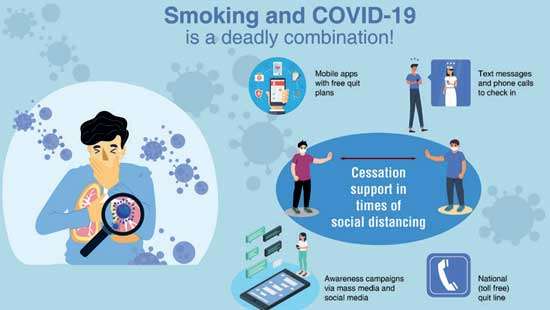
As the deadly COVID-19 pandemic threatens the entire world, claiming thousands of lives and disrupting economic activities, it would be wise to look at the role smoking cessation could play in the response.
COVID-19 and Sri Lanka’s tourism industry
16 Apr 2020
1
3701
After the April 2019 terrorist attack in Sri Lanka, the Market Development Facility (MDF), an Australian multi-country initiative, launched a series of informative seminars across the country to help the smaller scale hotel companies understand how they could manage the crisis. These programmes were very well received by the SMEs.

Impact of internal and external shocks on Sri Lanka’s foreign exchange earnings
10 Apr 2020
0
1978
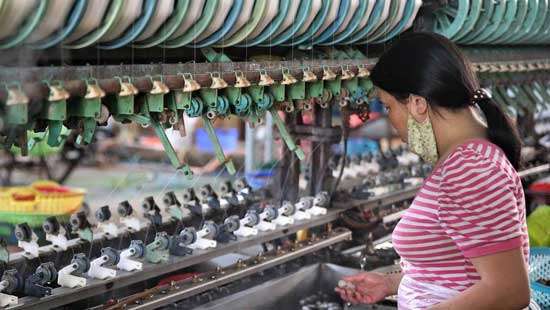
Sri Lanka, as a developing country, is highly sensitive to both internal and external shocks. Today, Sri Lanka is facing a big challenge of controlling the spread of COVID-19, which is a global pandemic. Even though Sri Lanka is far better than other developed countries in terms of controlling the spread of this decease, the Government Medical Officers’ Association (GMOA) warns that the situation will worsen in the month of April.
Curfew, lockdown and economic livelihoods amid corona crisis
09 Apr 2020
0
650
National policymakers have been grappling on the right balance between lockdowns (total or partial) and maintaining a functioning economy to safeguard the livelihood of its citizens and viability of its corporate sector. Whilst no solution seems optimal, the need for a well-orchestrated recovery strategy is central to avoid a pro-longedsupply and demand led economic recession.
Amid COVID-19, the time to act now to protect food security
09 Apr 2020
0
495
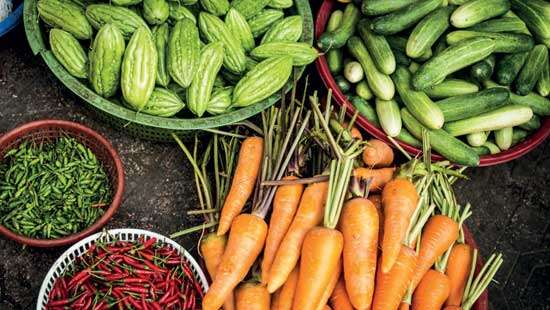
With the impacts of the pandemic on food and nutrition being felt around the region, planning is needed to avoid higher food prices, decreased nutrition and reduced food security.
Why strangle economy to combat coronavirus?
08 Apr 2020
1
682
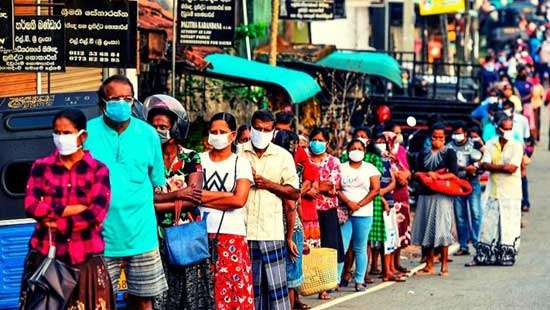
As of April 6, 2020, there are 177 confirmed cases and five deaths attributed to the coronavirus (COVID-19) in Sri Lanka. These are impressive statistics relative to those in many other countries affected by COVID-19. Physical distancing is the key to controlling the spread of the COVID-19 infection and accordingly, the island has been in curfew mode since March 20.
Why strangle economy to combat coronavirus?
08 Apr 2020
0
384
As of April 6, 2020, there are 177 confirmed cases and five deaths attributed to the coronavirus (COVID-19) in Sri Lanka. These are impressive statistics relative to those in many other countries affected by COVID-19. Physical distancing is the key to controlling the spread of the COVID-19 infection and accordingly, the island has been in curfew mode since March 20.
Significant disruptive potential of coronavirus
08 Apr 2020
0
270
According to CNN, the coronavirus (COVID-19) is now in 85 countries. This is despite four countries still accounting for 97 percent of COVID-19 cases. The COVID-19 epidemic has now forced nearly one-third of the world’s population into lockdown. It is a fight that many countries will face all the same.
Is downsizing right thing? NCE probes into pros and cons of laying off employees
08 Apr 2020
0
453
The fact that we live in a truly global economy is impelled every time the world is confronted with a significant disaster affecting millions of lives and world economies. In 2002, when a lethal pneumonia-like virus known as SARS emerged in China, it generated a near catastrophic spillover effect on global trade.
Pathfinder Foundation’s 10 basic principles for achieving economic recovery
02 Apr 2020
0
589
Continued enforcement of social distancing, including the lockdown of hotspots, to ensure that the number of infections does not exceed the capacity of the health system.
Hello... is it me you are looking for?
02 Apr 2020
0
453
So, the delivery services are in full flow right now.

Releasing funds from EPF; is it the last resort?
02 Apr 2020
0
648
Economic implications of the coronavirus are long-term and more severe than health implications, because people fear of hunger more than dying from the virus.
COVID-19 and SMEs: Five important areas to focus on during tough times
01 Apr 2020
0
398
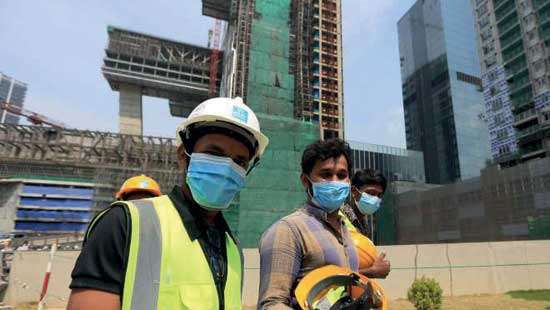
It is evident that the COVID-19 pandemic would create a significant economic impact globally. Whilst it is rather premature to predict the overall impact, one can safely conclude that the impact will last for a number of months (best-case scenario) post COVID-19.
COVID-19: Economic impacts on Sri Lanka
01 Apr 2020
0
5608
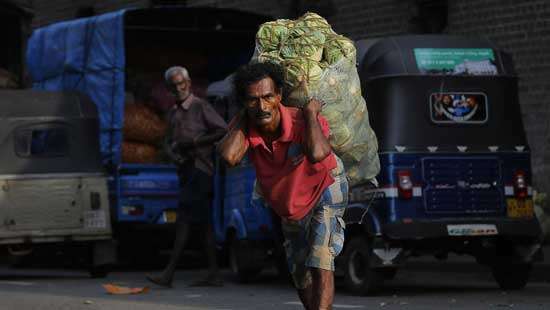
COVID-19 has been rapidly outreaching across the globe, taking thousands of lives and pausing hundreds of economies. Its initial impact on China’s economy is pathetic and China’s slowdown may have adverse economic impacts on the rest of the world as well.
How can Asia avoid fallout if COVID-19 triggers a debt crunch?
31 Mar 2020
0
303
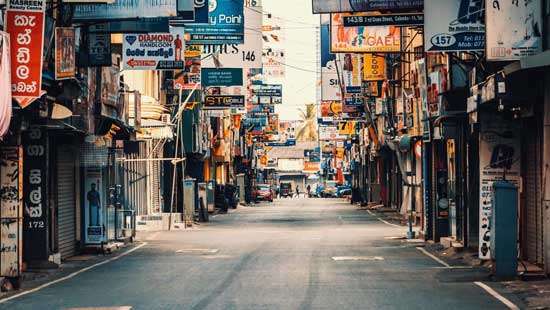
The coronavirus (COVID-19) pandemic raises the spectre of another global debt crisis.
Economy faces COVID-19 challenge
31 Mar 2020
0
336
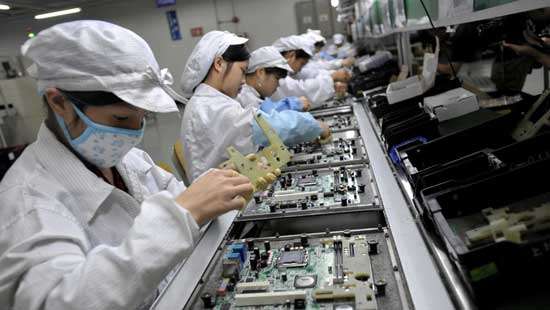
Sri Lanka is battling to control the coronavirus by getting the critical government machinery into full gear to put an end to the crisis and has set an example in taking preventive measures to gain control over the epidemic.
COVID-19 – Nature’s wake up call to mankind?
30 Mar 2020
0
870
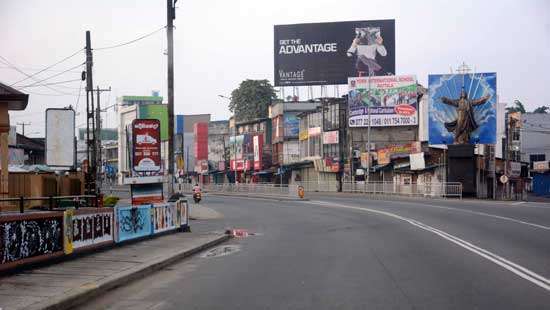
Today, mankind has enabled technological and scientific progress to eradicate diseases, helped increase life expectancy, reduced starvation and extreme poverty, revolutionised transport and communications, explored other worlds in the universe and made this generation the most successful one in history. But at what cost to nature and the environment?
‘A brewing storm’: Economic impact of COVID-19 on Sri Lanka
30 Mar 2020
0
1237
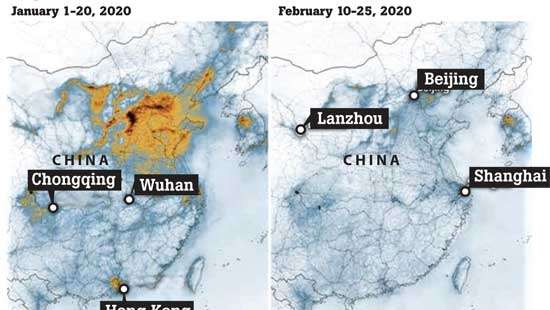
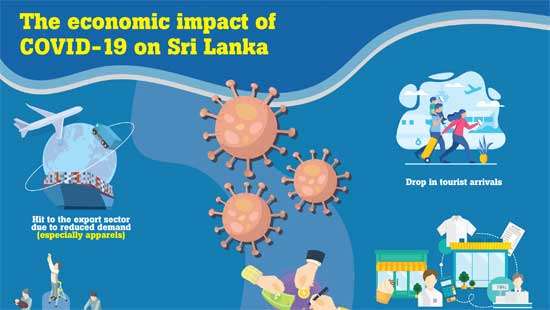
Over a quarter of the world’s population is currently under movement restrictions. For the first time in recent human history, coronavirus has shattered the myth that the economy must come first. While public health concerns, undoubtedly, should take precedence over all other considerations when dealing with the COVID-19 pandemic, it would be unwise to ignore the economic costs of the current situation.
Shutdowns need not be curfews
27 Mar 2020
1
1438
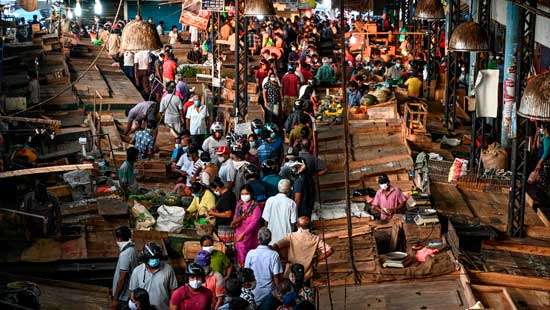
On March 12, the World Health Organisation (WHO) declared the new coronavirus, COVID-19, to be a pandemic. With cases in Sri Lanka reaching over a 100, the government of Sri Lanka has taken several measures to prevent the spread of this disease. One such measure was enforcing an islandwide curfew.
Surely, your customer data hasn’t caught the virus?
27 Mar 2020
0
591
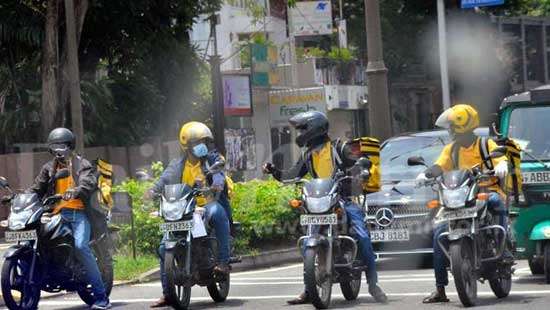
Lockdowns, curfews and the call for self-isolation have all challenged those traders in essential goods, who have to get their product to the consumer through this maze of new regulations and restrictions.
Playing nice – Need for collaboration for successful IT/OT convergence
18 Mar 2020
0
290
As organisations make their operations more agile in response to a quickly evolving marketplace, many operational technology (OT) systems are being connected to the outside world for the first time. This trend promises great benefits for organisations but also directly exposes OT systems to cyberthreats they were never prepared to address.
Access Motors gearing up for thrilling future with Jaguar Land Rover in Sri Lanka
17 Mar 2020
0
1241
In an increasingly fast-paced world, disruption can be caused by an ever-growing number of sources. A brand’s ability to navigate this shifting landscape is often contingent on its agility, and its ability not just to respond but effectively drive disruptive innovation.

Plight of Sri Lanka’s construction industry
12 Mar 2020
0
2099
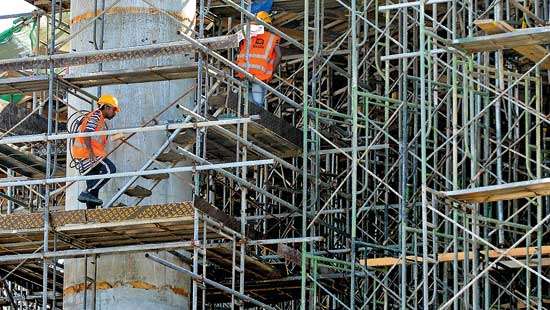
The construction industry has been going through a crisis during the last two years. The industry, which contributes almost 7 percent to gross domestic product (GDP) of the country and was at the forefront in driving the infrastructure development of the country during the years following the end of the war in 2009, has been experiencing one of its worst periods in the recent history. Many construction companies are being closed down and a large
How 5G will lead Sri Lanka towards info com and knowledge-rich society
12 Mar 2020
0
390
5G is poised to transform our future sooner than we expect. Once deployed, 5G is expected to help evolve the communication paradigm, and give birth to new products, Internet of Things (IoT) devices and industries, as it offers a huge leap forward in speed, capacity and connectivity.
Can tech education be the great equalizer this decade?
10 Mar 2020
0
618
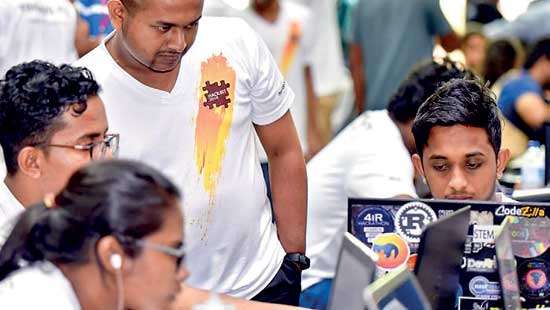
As the role of smart tech in people’s lives expands even further, developers have become a driving force for software innovation. At Microsoft, we are working to enable even greater developer opportunity and innovation by providing the best experiences to all developers, on any device, with powerful tools, an open platform and a global cloud.
MCC grant dilemma - The Pathfinder compromise
10 Mar 2020
0
521
The Pathfinder Foundation from its inception has been an active contributor and participant in the economic policy and the development dialogue in the country. When the Millennium Challenge Corporation (MCC) was established in 2004, we were keen to assess whether Sri Lanka could meet the stringent criteria and qualify for an outright grant that would send a strong signal beyond borders that Sri Lanka is moving in the right direction.
Jack Welch’s leadership legacy
10 Mar 2020
0
335
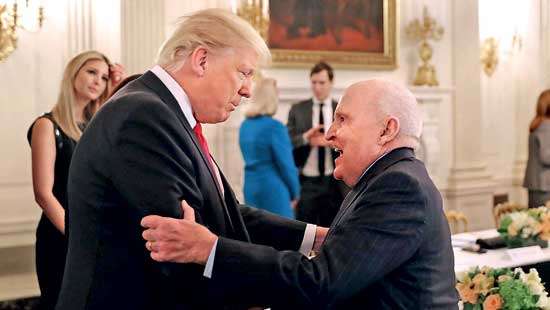
Jack Welch, who was described by the Fortune magazine in 1999 as the ‘Manager of the Century’, died this week, at the age of 84.
More women in power please
10 Mar 2020
0
252
Headlines from global summits have one thing in common: the overwhelming presence of men and few, if any, women taking centre stage in those photo ops. The glass ceiling for leadership roles remains thick and impenetrable to women.