Editorial
Sri Lanka’s economy hemmed in by COVID-19 and geopolitical tensions
19 Jan 2021
 0
0
642
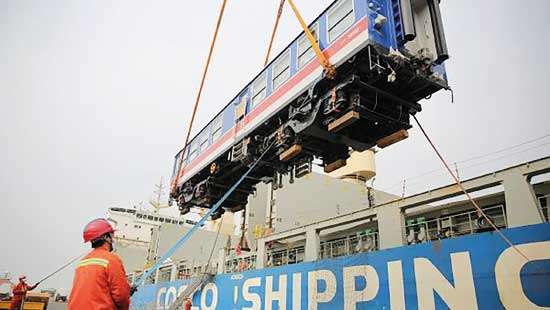
The unprecedented disruptions of COVID-19 are causing a geopolitical reset — and as the global order is redrawn, small emerging market economies like Sri Lanka are vulnerable to the fallout. Sri Lanka straddles vital shipping routes and is at the centre of diplomatic spats between China and the United States, who called on Sri Lanka to make ‘difficult but necessary choices’ over its growing economic and political ties to China.
Test, trace, treat – Putting SL’s pandemic management mantra into practice
19 Jan 2021
0
538
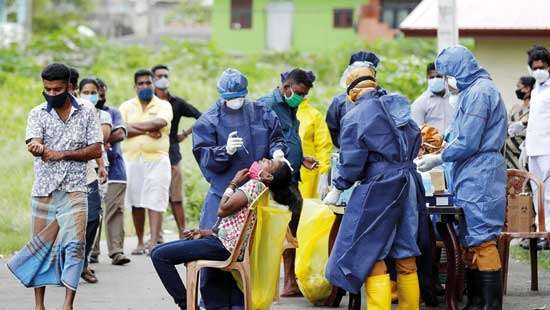
Sri Lanka’s extensive network of public healthcare workers has been the underlying force behind the country’s pandemic response. This series of articles, beginning with the Puttalam district, aims to capture the ground realities of pandemic management, from the perspectives of public health workers around the country.
Better late than never
19 Jan 2021
0
349
Hats off to Prime Minster Mahinda Rajapaksa for at last realising that hard truth that “we would have been better off economically, had the country adopted a policy of focusing on producing import alternatives – rather than depending on other countries”.
Post-COVID educational priorities for Sri Lanka
15 Jan 2021
0
606
The global shock of the COVID-19 pandemic proves, once again, the old adage that ‘it takes a crisis’ and especially so in the world of education. From school leaders to students, educators and parents, are absorbing the lessons, rethinking past assumptions and considering what once seemed like unlikely scenarios.
Productive workplace: Manage not projects but everything
15 Jan 2021
0
453
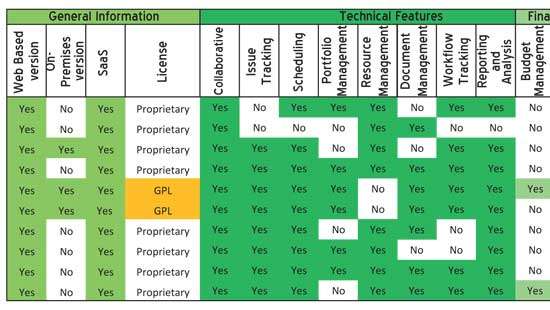
No 21st century organisation can survive without a central information system that integrates its work functions across the units and management layers. Some organisations do this with enterprise resource planning (ERP) software tools,
Who should own the demutualised Colombo Stock Exchange?
14 Jan 2021
0
1798
The immediate implication of Demutualisation is that the process seeks to give majority control of the Stock Exchange to the investors who may not have trading rights.
Utilising recyclable PET plastic waste: Towards a circular economy
14 Jan 2021
0
645
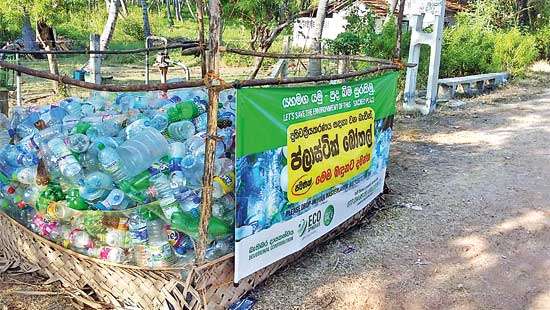
“Reduce, reuse, and recycle”- a household phrase you’ve probably heard over and over again either through school, from awareness campaigns or even on TV.
Human-elephant conflict: Can insurance help affected communities?
12 Jan 2021
0
1346
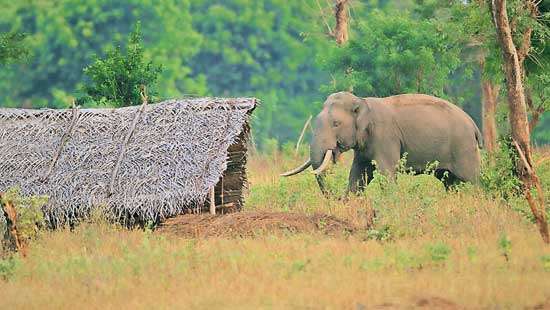
In 2019, Sri Lanka recorded the highest reported elephant deaths and second highest number of human deaths in the world, due to the human-elephant conflict (HEC).
What are Sri Lanka’s economic prospects in 2021?
07 Jan 2021
0
1551
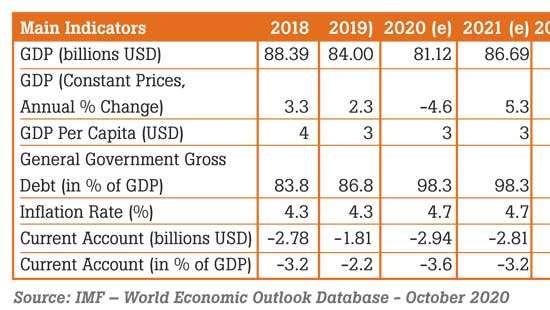
2020 was a year of ultimate disruptions across a widest spectrum, that no expert saw coming: the virus and its devastating impact on lives, livelihoods, society and governments.
Focus more on developing tea, rubber, coconut & minor export crop plantation sector
05 Jan 2021
0
1952
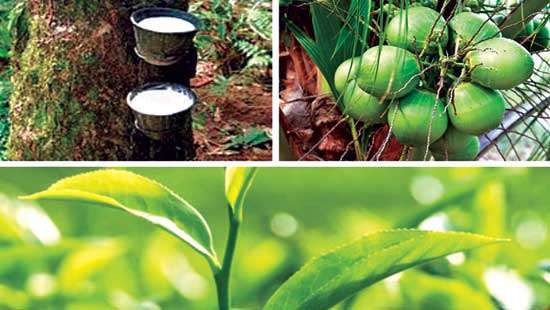
According to generally accepted economic theories and their practical application, boosting economic growth has been seen as the best way to create job opportunities and raise living standards of people.
Ceylon Planters Society celebrates 84th year of serving plantations industry
05 Jan 2021
0
588
The Ceylon Planters Society (CPS) consists of working planters on plantations and in the corporate offices of the RPCs who were serving in the plantation before.
Pelwatte Dairy continues to extend support to dairy farmers
05 Jan 2021
0
358
Pelwatte Dairy Industries stands in support of Sri Lankan farmers with regard to the ongoing Maha Oya land issue that has reportedly put the dairy farming community at stake.
Secret of post-pandemic economic recovery is found in English alphabet
04 Jan 2021
0
534
Thanks to the timely, swift, firm, systematic, coordinated approach and action taken by the government and more thanks to the absence of parliamentarians, the first phase of the COVID-19 pandemic was successfully brought under control in Sri Lanka.
Productive workplace: Build it up with right tools
04 Jan 2021
0
521
A productive human being and one that’s not. What’s the difference? A productive carpenter is a one who has mastered his tools. A productive food delivery man is a one who has full control over his motorbike. A productive factory floor, in the 21st century, is a one fully computerised with appropriate tools. The same is applicable for any workplace. Productivity boosts with right application of correct tools.

Education equity in Sri Lanka: A pathway out of poverty
01 Jan 2021
0
1495
Although Sri Lanka has provided universal free education since 1939, around one-fifth of poor children drop out of school after the age of 14 years and another two-thirds after the age of 16 years.
CSE eyes introduction of a range of new products in 2021
30 Dec 2020
1
1620
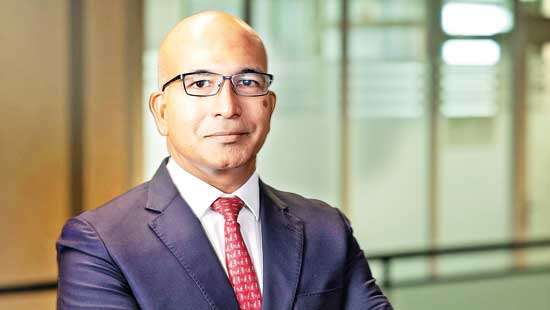
In the backdrop of the Colombo Stock Exchange (CSE) celebrating its 35th year in operation earlier this month, its newly appointed Chairman Dumith Fernando sat with Mirror Business to discuss his views and the upcoming plans for the country’s capital market operator, while recalling the key challenges and developments during the year. The following are the excerpts from the interview:
Money printing to repay debt: Worshipping MMT is likely to magnify economic instability
28 Dec 2020
0
1017
The notion that a sovereign government can print money to repay its debt without any financial limit has gained increased popularity in recent times, particularly in the US, based on a new approach to macroeconomics, known as Modern Monetary Theory (MMT).
Digitalisation at core, People’s Bank eyes change in perception
28 Dec 2020
0
1239
As far as democratisation of banking services in Sri Lanka is concerned, People’s Bank remains atop. It was the bank that took commercial banking, which was primarily serving the wealthy and the financially sophisticated, to the masses.
Taxing Tobacco: What did Budget 2021 miss?
22 Dec 2020
0
661
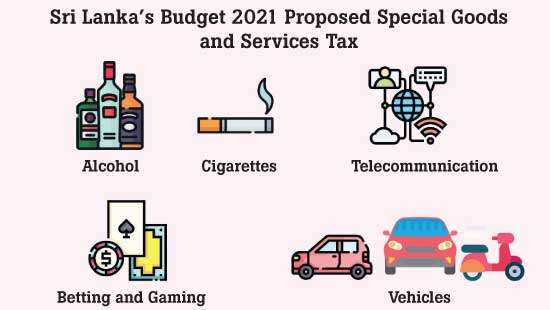
In a series of articles on taxing tobacco, IPS has maintained that increasing tobacco taxation has undeniable health and fiscal benefits.
The storm shall pass and we will bounce back stronger, says THASL President
22 Dec 2020
0
457
Following is the full speech made by The Hotels Association of Sri Lanka (THASL) President Sanath Ukwatte at the Association’s 2020 Annual General Meeting.
CB releases provincial gross domestic product estimates for 2019
21 Dec 2020
0
715
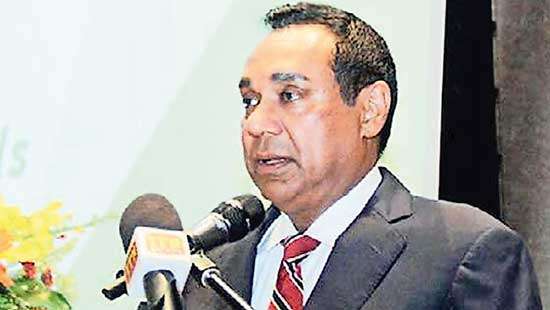
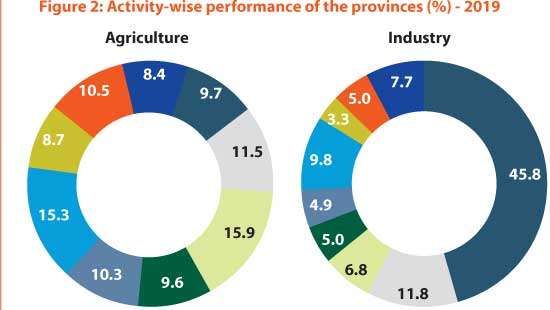
The Western province secured the largest share (39.1 per cent) of the country’s nominal gross domestic product (GDP). However, due to improved contribution from the other provinces, the share declined by 0.5 percent from 2018. The Central (11.5 percent) and North Western (10.7 per cent) provinces were ranked at the second and third positions, respectively.
Rating agencies and doomsayers: Exaggerating obvious and wishing for a downfall?
21 Dec 2020
0
496
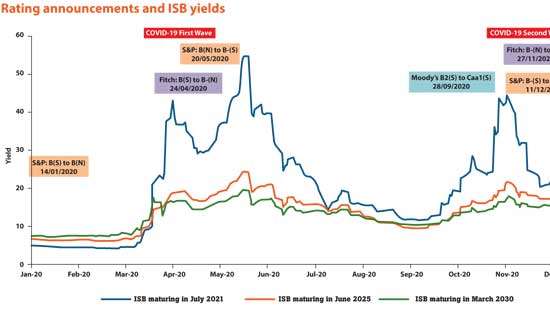
The global economy is going through its toughest episode in its recent history. The COVID-19 pandemic has caused a sharp global economic downturn and disrupted societies in an unprecedented manner. Governments across the world have taken decisive steps to address the economic and social consequences of the pandemic, with differing degrees of success.
COVID-19 and migrant workers: Economics of repatriation
18 Dec 2020
0
638
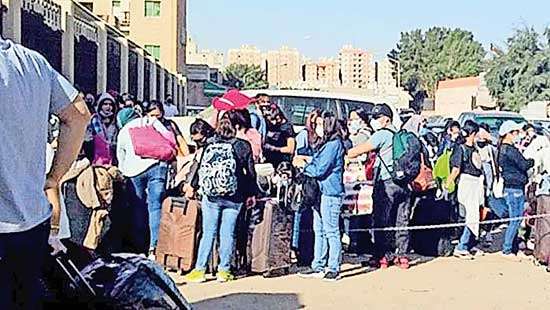
Written ahead of the International Migrants Day on December 18, 2020.
Growing need for childcare support in Sri Lanka
18 Dec 2020
0
1067
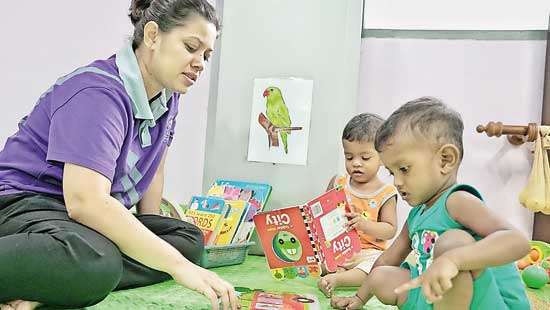
As an early childhood education specialist and as a mother of two children, I know how difficult the COVID-19 pandemic has been for parents who are juggling work and family obligations. The lack of affordable and reliable childcare options has left many parents scrambling to find makeshift solutions and has brought the issue of childcare sharply into focus.
Embarking on a digital journey: Exploring Sri Lanka’s readiness
18 Dec 2020
0
543
The new normal requires new approaches and solutions, an imperative change that must be embraced by all sections of the economy, to survive and to stay relevant.
Sri Lanka’s tobacco smoking challenge: Going the last mile
11 Dec 2020
0
678
“I stopped smoking after being diagnosed with cancer. I was shocked when I heard about it. Doctors say it is because of tobacco smoking. I know it is late now to quit but I decided to do so because I do not want my condition to worsen. It is heart-breaking to go to the cancer hospital in Maharagama and see what people are going through.”
Carbon neutrality by 2050: World’s most urgent mission
11 Dec 2020
0
517
As the world marks the fifth anniversary of the adoption of the landmark Paris Agreement on climate change, a promising movement for carbon neutrality is taking shape. By next month, countries representing more than 65 percent of harmful greenhouse gasses and more than 70 percent of the world economy will have committed to achieve net zero emissions by the middle of the century.
Taxes on essential products: Bringing the debate back to where it matters
11 Dec 2020
0
436
Sri Lanka’s exorbitant taxes on sanitary napkins had the media spotlight over the last few weeks – this is not a new issue. In 2018, the total tariffs on sanitary napkins was over 101.2 percent. Since then we have seen some progress, with the tax being reduced from 101.2 percent to its current rate of 52 percent, a result of several tax revisions.
RCEP: Sri Lanka’s latest Asia-centric conundrum
08 Dec 2020
0
538
The formation of the world’s largest regional trade bloc – the Regional Comprehensive Economic Partnership (RCEP) in November 2020 – on Sri Lanka’s doorstep raises fresh questions about how the country will navigate its most recent Asia-centric re-positioning.
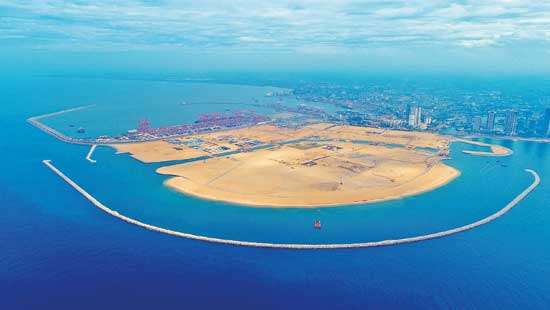
Could Port City-related FDI bailout Sri Lanka?
07 Dec 2020
1
963
A recent press release by the Finance Ministry in response to the downgrade of Sri Lanka’s sovereign rating by Fitch Ratings expresses the government confidence in overcoming Sri Lanka’s short-term economic challenges. In the same statement, the Finance Ministry emphasises that foreign direct investment (FDI) is expected to play a key role in overcoming the country’s current economic distress.