Reply To:
Name - Reply Comment
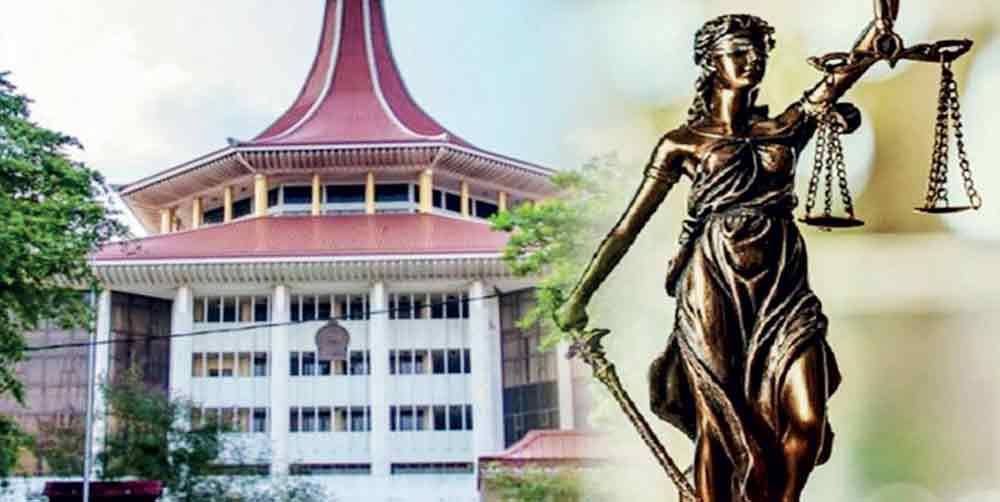
 As global landscape shifts toward hybrid threats the definition of security has evolved
A judiciary that ensures the “Rule of Law” guarantees that property rights are protected and disputes are settled fairly
The strength of a judiciary is best measured by its courage in the face of political overreach
 When a politician attempts to influence a judge, they are effectively weakening the structure that keeps the country whole. If the public loses faith in the courts, they will seek justice through extra-legal means vigilantism, insurgencies, or underground economies. Therefore, maintaining the sanctity of the judiciary is the highest form of patriotism

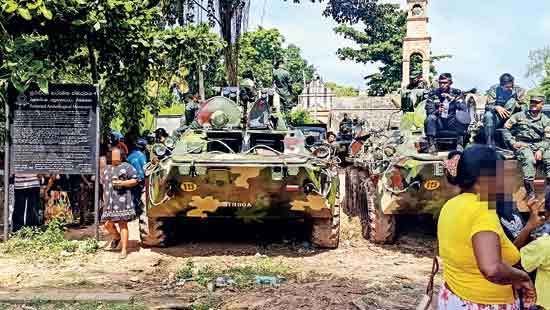
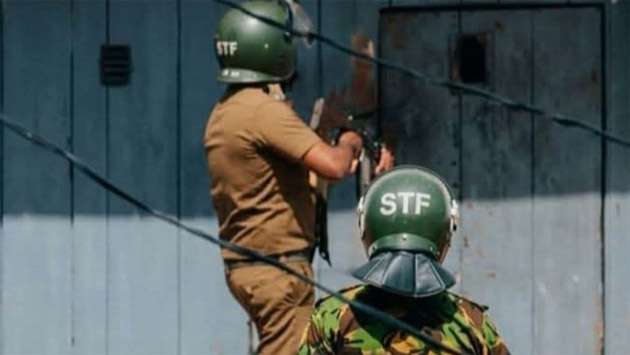
In the traditional discourse of international relations, “national security” is often visualised through the lens of hardware: main battle tanks, fighter jets and the strength of the standing army. However, as the global landscape shifts toward “hybrid” threats and internal stability becomes as volatile as external aggression, the definition of security has evolved. National survival is no longer just about defending borders; it is about the resilience of the state’s internal architecture.
As identified by strategic theorists, national survival rests upon seven core pillars: the economy, culture, diplomacy, science and technology, intelligence and innovation, political capability and national security itself. Yet, there is a fundamental oversight in many classical models the assumption that these pillars stand independently. In reality, the Judiciary serves as the bedrock upon which all these pillars are built. Without a functioning, independent legal system, the economy falters, political capability dissolves into tyranny, and national security becomes a tool for oppression rather than protection.
The Judicial Pillar: The Guardian of National Stability
The proposition is simple yet profound: No nation in the 21st century can survive without a judiciary. While the police represent the immediate arm of the law in day-to-day human activity, the judiciary provides the intellectual and moral authority that prevents a society from descending into “the law of the jungle.”
In Sri Lanka, the state is structured around three independent bodies: the Executive, the Legislature, and the Judiciary. This separation of powers is not merely a democratic formality; it is a security feature. When the Executive or Legislature exceeds its mandate, the resulting instability can lead to civil unrest, economic collapse, and the degradation of the social contract. The judiciary acts as the “fail-safe” mechanism of the state.
Landmark Precedents: Restoring the Balance of Power
The strength of a judiciary is best measured by its courage in the face of political overreach. Sri Lanka’s recent history provides a poignant example of this during the tenure of President Maithripala Sirisena.
October 26, 2018: President Maithripala Sirisena abruptly dismissed Prime Minister Ranil Wickremesinghe and appointed former President Mahinda Rajapaksa in his place. The Stalemate: Wickremesinghe refused to leave Temple Trees (the official residence), arguing his removal was unconstitutional under the 19th Amendment, which had stripped the President of the power to dismiss a Prime Minister at will.
November 9, 2018: When it became clear that Rajapaksa could not secure a majority in Parliament, President Sirisena issued a proclamation dissolving Parliament and calling for a snap election.
The Judicial Intervention: Several political parties and civil society groups challenged the dissolution in the Supreme Court.
On November 13, the Court issued an interim stay order, effectively halting the dissolution.
December 13, 2018: The Supreme Court delivered a landmark unanimous ruling that the President’s decision to dissolve Parliament was unconstitutional and illegal. The Court ruled that under the 19th Amendment, the President could not dissolve Parliament until it had completed 4.5 years of its 5-year term (unless requested by a two-thirds majority of MPs).
The 20th Amendment (2020) reversed many 19th amendments reforms, allowing the president to dissolve parliament after just 2.5 years.
Outcome and Impact following the Supreme Court’s ruling and a series of no-confidence motions against Rajapaksa, the crisis ended on December 16, 2018, when Mahinda Rajapaksa resigned, Ranil Wickremesinghe was reinstated as Prime Minister. This event is widely cited as a critical moment for the Sri Lankan Judiciary, as it demonstrated the court’s role as a powerful check on executive overreach, ensuring that the country remained governed by the Constitution rather than executive decree.
The Supreme Court’s intervention to overrule the Executive and reinstate the constitutional order was more than just a legal ruling; it was a national security operation. By correcting this injustice, the court prevented potential street violence, restored diplomatic confidence, and signaled to the world that Sri Lanka is governed by rules, not by the whims of individuals. This earned the judiciary immense public respect, far exceeding that of the political branches, because the public recognized the court as the ultimate protector of their collective stability.
The Synergy: Judiciary and the Seven Pillars of Survival
To understand the impact of a good judiciary on national prosperity, one must analyze how it interacts with the other six pillars of national survival:
1. Economic Security and Prosperity
Investors do not seek out the strongest armies; they seek out the strongest contracts. A judiciary that ensures the “Rule of Law” guarantees that property rights are protected and disputes are settled fairly. Without this, the economy collapses, leading to poverty which is, in itself, a primary driver of national insecurity.
2. Cultural Integrity
A nation’s culture is preserved through the protection of minority rights and freedom of expression. The judiciary ensures that the majority cannot use the state apparatus to erase the heritage of the minority, thereby preventing the internal ethnic or religious schisms that have historically crippled Sri Lankan security.
3. Diplomacy and Global Standing
In the 21st century, a nation’s “soft power” is tied to its human rights record and legal transparency. A respected judiciary allows Sri Lankan diplomats to engage with the international community from a position of strength, ensuring the country is viewed as a reliable partner rather than a “pariah state.”
4. Political Capability
Political capability is the ability of the state to make decisions and implement them. When the judiciary clears the path of corruption and holds leaders accountable, it cleanses the political system, ensuring that only the most capable rather than the most well-connected lead the nation.
The Red Line: Non-Intervention as a Security Imperative
Because the judiciary is the final arbiter of truth and justice, it must remain shielded from the influence of the Executive and the Legislature. Intervention in the judicial process is not just a political faux pas; it is an act of national sabotage.
When a politician attempts to influence a judge, they are effectively weakening the structure that keeps the country whole. If the public loses faith in the courts, they will seek justice through extra-legal means vigilantism, insurgencies, or underground economies. Therefore, maintaining the sanctity of the judiciary is the highest form of patriotism.
Conclusion: A Vision for a Secure Sri Lanka
The security of Sri Lanka does not begin at the coastal borders or the checkpoints in the North; it begins in the courtrooms of the Supreme Court and the smallest Magistrate’s courts in the provinces.
A “Good Judiciary” ensures:
• Predictability for the citizen.
• Accountability for the leader.
• Stability for the nation.
For Sri Lanka to achieve long-term prosperity and survive the complexities of the modern era, the judiciary must be empowered as a primary component of national security. It is the only institution capable of weaving together the diverse threads of economy, culture, and politics into a single, unbreakable fabric of national survival. The lesson of history is clear: nations with powerful armies can fall, but nations with powerful justice systems endure.

October 26, 2018: President Maithripala Sirisena abruptly dismissed Prime Minister Ranil Wickremesinghe and appointed former President Mahinda Rajapaksa: Wickremesinghe’s removal was later termed unconstitutional under the 19th Amendment, which had stripped the President of the power to dismiss a Prime Minister at will. Here the ousted Prime Mininister Wickremesinghe takes oaths for the same post before President Maithripala Sirisena
(The writer is a distinguished International Researcher, Author and analyst with a career spanning over 36 years of service in the Sri Lanka Army, including 20 years in active combat. A seasoned Infantry officer, Major General (Retd) Dr Boniface Perera holds a PhD in Economics and has authored 17 books and over 200 research articles. His multifaceted expertise bridges the gap between National Security, Global Politics and Economic strategy. As an entrepreneur and International analyst, he provides strategic insights into the intersection of security and economic policy. He can be reached [email protected])