Reply To:
Name - Reply Comment
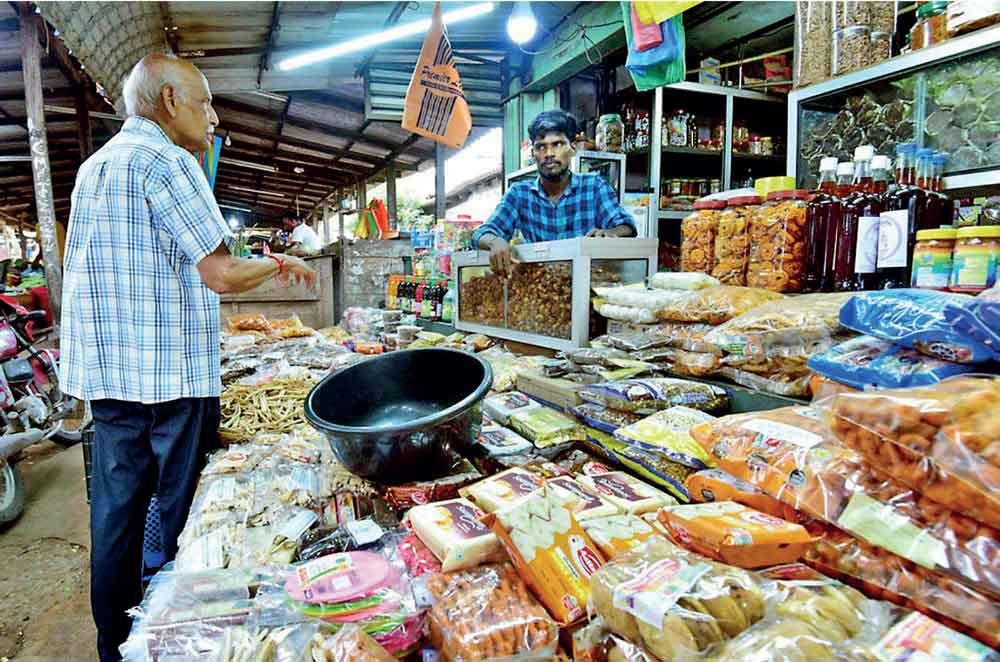
Focusing on building entrepreneurship, skills development and equal access to public services across the Northern Province aims to ensure citizens can thrive and realise their full potential within a unified state. Pix by Samantha Perera

The process of releasing military-held land in the Northern Province of Sri Lanka back to its legitimate civilian owners is a necessary and significant step towards post-conflict reconciliation and normalisation. It is an acknowledgement of the fundamental right to property and a move toward restoring the lives of those displaced by a brutal, three-decade-long war. However, this critical process cannot, and must not, be pursued in isolation. It must be meticulously balanced against the paramount and non-negotiable requirement of national security, sovereignty, and territorial integrity. The nation’s history, marked by the violent pursuit of a separate state by extremist elements, mandates an approach that is both compassionate toward the affected citizens and rigorously cautious about potential future threats. This article explores the delicate equilibrium required to satisfy the legitimate demands of the civilian population while simultaneously safeguarding the strategic interests of the state.
The Legitimate Claim and the Context of Conflict
The claim of land owners to their privately held lands is unequivocally legitimate and legal. The state has a moral and legal obligation to facilitate the return of property taken over during the period of conflict or held subsequently for military purposes. This act of restitution is vital for re-establishing normalcy, enabling economic revival, and building trust between the state and its citizens in the North.
The Shadow of the Past
The necessity for national security consideration is underscored by the fact that the conflict was fought by an extremist group, the Liberation Tigers of Tamil Eelam (LTTE), with the explicit intention of carving out a separate state, “Tamil Eelam,” encompassing the Northern and Eastern Provinces. These provinces, which include the districts of Jaffna, Kilinochchi, Mullaitivu, Mannar, and Vavuniya in the North, and Trincomalee, Batticaloa, and Ampara in the East, constitute approximately 28.78% of Sri Lanka’s total landmass. Given the small size of the island nation (65,610 {sq.km} or 25,332 {sq. mi.}), the notion of division poses an existential threat to the state’s coherence and viability. Although the military defeat of the LTTE occurred in 2009, the underlying ideological concept of separatism is perceived by some as not yet entirely extinguished, necessitating continued vigilance against both domestic and overseas extremist remnants.
Locations that control key routes, provide crucial observation points, or offer strategic advantages for rapid deployment and defence in the event of a future threat must be retained.
Future Threat Assessment
Retention is justified not just by the past war, but by credible, intelligence-based assessments of future threats.
Lands must be retained if they are deemed essential to counter threats posed by residual extremist elements, foreign state actors, or transnational criminal/terrorist networks that might exploit the North’s geographical position.
In all cases of retention, the state must adhere to a process that ensures adequate, prompt, and just compensation or alternative lands for the owners whose lands are deemed permanently essential for national security. This provides justice to the individual while maintaining the integrity of the state.
Any decision to retain land must be based on a clear, documented assessment of its tactical value in ensuring the security of the nation against past and potential future threats posed by extremist elements, both within and outside the country. The purpose is solely to ensure national security needs and is not, in any way, intended to diminish the rights or status of the Tamil people as equal citizens of Sri Lanka.
Targeted Infrastructure Investment
A targeted development plan must address the historical and conflict-related deficit in infrastructure.
Fostering Entrepreneurship and Job Creation
The strategy must shift the region’s economy beyond traditional agriculture and fisheries towards higher-value sectors.
Ensuring Full and Equal Citizenship
Economic development must be accompanied by robust governance and reconciliation measures to ensure social cohesion.
Equality of Opportunity: Actively ensuring transparent and merit-based recruitment into the public sector, law enforcement, and government bodies, with a focus on local representation, to build confidence in the state’s impartiality.
Language Rights: Strictly enforcing the use of the Tamil language in administration, courts, and services across the North and East to affirm the cultural and linguistic rights of the citizens.
Restoration of Public Services: Fully decentralising and strengthening public service delivery in health, education, and municipal services to ensure the North and East receive a quality of life equal to or better than the most developed areas of the South.
Avoiding Political Expediency and Ensuring Integrity
The release of military-held lands is an issue of state policy and national security, not political manoeuvring. The integrity and sovereignty of the nation must not be compromised by decisions driven by short-term political gains or promises made during election cycles.
Beyond the Political Lens
Decisions concerning strategic land retention or release must be determined by the military and national defence establishment, based on security assessments, and not by political expediency. The survival of the state, predicated on its national security, is an issue that must transcend the survival or success of any single political party. The process must be transparent, objective, and solely security-driven, ensuring that no land that is genuinely vital for the nation’s defence is compromised for political gain.
Defeating the Idea: The Strategy of Economic Prosperity and Integration
The long-term defeat of the separatist ideology lies in cultivating a deep-seated feeling of belonging and equal opportunity among the citizens of the North and East. The most effective, long-term strategy for permanently defeating the ideology of separatism is not solely military deterrence. Economic prosperity is the most potent weapon for extinguishing the rationale for a separate state. When citizens feel fully invested and valued in the unified state, the appeal of a separate state diminishes.
By fostering an environment where all citizens, irrespective of their location, race, or religion, can thrive and realise their full potential, the fundamental reason for a struggle for independence will be eliminated. The extremists will lose the narrative and the base of support required to reignite conflict.
Conclusion - A Path of Responsible Reconciliation:
The release of military-held lands in the Northern Province is a challenging, yet necessary, exercise in responsible reconciliation. The path forward requires a firm commitment to two concurrent priorities: the legitimate restitution of private property and the unwavering defence of national security. The ultimate goal is to achieve a stable, prosperous, and unified Sri Lanka where the legitimate property rights of land owners are restored, while the tactical and strategic sites essential for the nation’s defence are retained.
By combining prudent, defence-driven retention of key strategic lands with an aggressive, inclusive economic development strategy, Sri Lanka can navigate the post-conflict challenge successfully. This approach secures the nation’s borders while simultaneously winning the loyalty and allegiance of its citizens in the North and East by making the unified state the undisputed guarantor of their peace, prosperity, and rights.
The writer is an Infantry officer who served the Sri Lanka Army for over 36 years, a former Security Forces Commander of the Wanni Region and Eastern Province, and he holds a PhD in economics.
He can be reached at: [email protected]