Reply To:
Name - Reply Comment
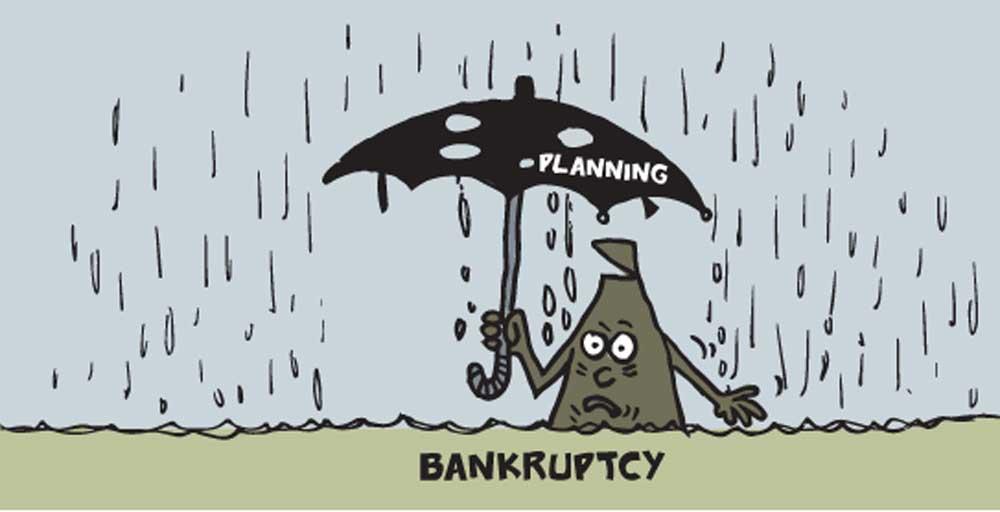
We cry over increasing prices of petroleum-based fertiliser, but pay little or no attention to search for alternatives
Sri Lankans are beginning to fear they are heading into a similar nightmarish period along the lines of the economic crisis of April 2022. The era which marked the country’s first ever sovereign debt which led to shortages of basic foodstuffs, medicines, fuel, LP gas, long queues around petrol sheds, rolling power cuts, an outbreak of lawlessness which in turn led to the violent overthrow of the then government.
Today once again, the rupee is depreciating. Our sister paper the ‘Daily FT’ on 21 May reported the rupee depreciated by 5.6 percent against the US dollar reversing gains made during the previous two years. Sources within the import section of the Ceylon Chamber of Commerce also speak of a shortage of dollars in the country and Bloomberg has described it as one of the worst performing currencies.
The US-Israeli war against Iran resulted in the closure of the Straits of Hormuz through which over 20 percent of the world’s fuel requirements flow. In turn this has resulted in an unprecedented rise in cost of fuel and LP gas in the world market. While government is finding it difficult to import required quantities of both fuel and gas because of escalating prices, ordinary Lankans are finding it even more difficult to keep body and soul together.
Today for an average Lankan family (father, mother and two children) to have two square meals a day has become a near impossibility. With the average cost of a single packet of rice and curry costing around Rs. 350/- per packet, a family of four would need a minimum of Rs. 2,800/- (Rs. 84,000/- per month) to have two square meals a day. Yet the average wage in the country averages between s. 55,000/- and Rs. 60,000/- per month!
To add to the misery India –our largest supplier of sugar (84%)- has temporarily halted exports until 5 September this year. Making a bad situation worse, our country’s total exports, including merchandise and services, brought in US$ 1,467.31 million in March 2026, a year-on-year decline of 5.2 % compared to March 2025. At the same time the cost of essential imports have risen. ‘Trading Economics’ reports our imports increased to USD 2134.10 million in March from USD 1833.80 million in February of 2026.
We cry over increasing prices of petroleum-based fertiliser, but pay little or no attention to search for alternatives. We are also not making serious efforts to ensure self-sufficiency in basic foodstuffs – all of which are draining our foreign exchange.
Government speaks of plans to digitalise 100% of all government transactions by 2030. But as yet they have presented no strategic plan to make the country self-sufficient in basic foods. Yet, in the middle east -- for example in Oman -- desert conditions exist. In some areas no rain has fallen for a year. But, the country not only produces food, fruits and vegetables, they are even exporting them. Lanka on the other hand, having plentiful supplies of rainfall and a fertile soil, continues to import food requirements. Our ancient irrigation systems are unable to cope with the needs of a growing population.
Our present-day leaders, though relatively young, seem to have run out of innovative alternatives to take the country out of its food shortage problem. A good example of this lack of vision is clearly seen in our fisheries industry. We are surrounded by the sea, but import an average of between50,000 to 130,000 metric tons (MT) of fish and fish products annually to meet local demand.
Our sources of energy are dependent of fossil fuels. The Middle Eastern countries are awash with this resource. But today they are turning to alternative sources of energy such as solar and wind power. They are also moving away from petroleum-based fertiliser and convert household waste to meet agricultural needs such as water and fertiliser through a process of desalination.
Perhaps it is time our socialist government began looking to eastwards for solutions to our economic and financial problems. Rather than depending on the US-backed World Bank and the IMF for solutions to our economic and financial problems, the organisation BRICS seems a better alternative to the IMF and World Bank.
‘Your Thought’ is a space, a right of the readers to support or contradict and discuss the issues highlighted in the editorial and other articles in the editorial and op-ed pages. Designed as the reader’s editorial; our readers can send in their writings, with a word count not exceeding 200, to ‘Your Thought’, Daily Mirror Political Features Desk, No 8, Hunupitiya Cross Road, Colombo 2 or email to [email protected]