Reply To:
Name - Reply Comment
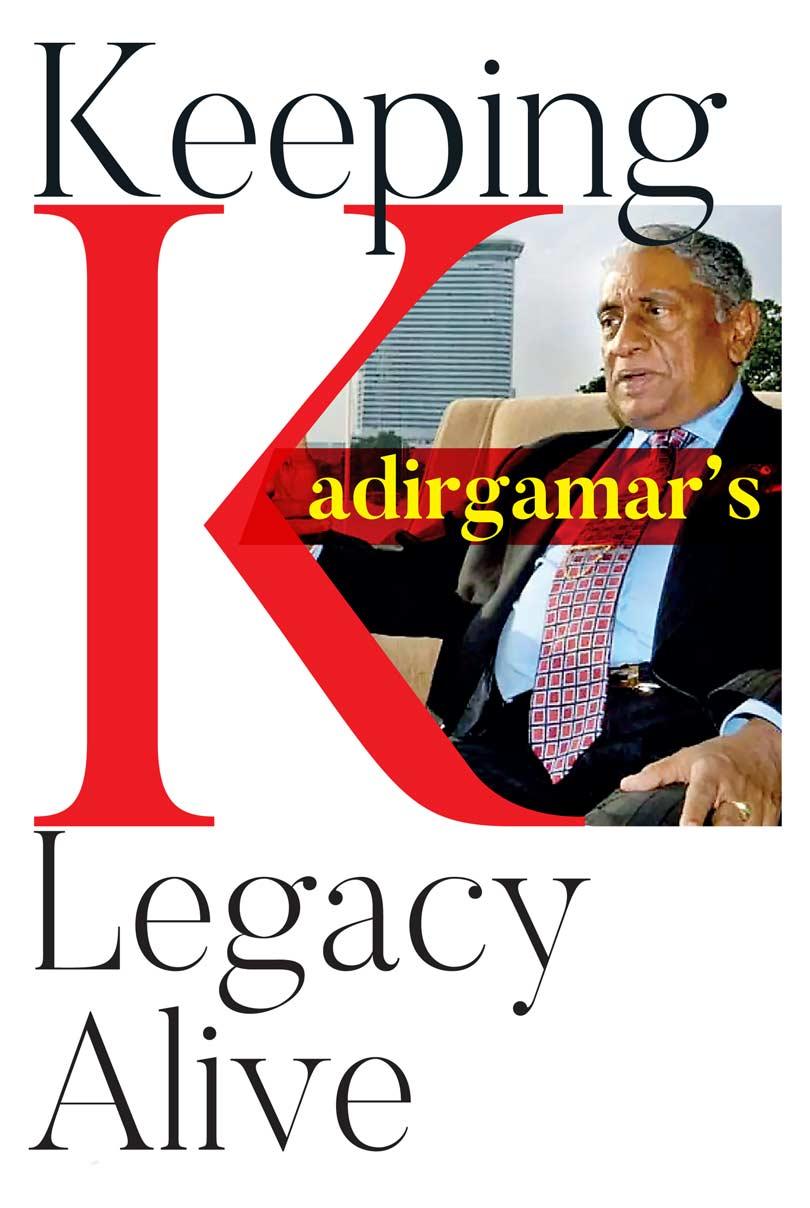
A memory in decline: As we approach the 20th anniversary of Lakshman Kardigamar’s death, the question arises: Will the late former foreign minister’s legacy fade over time due to insufficient efforts in documenting and preserving his history?
FILE PHOTO
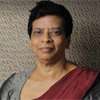
 The Writer, Ajita Kadirgamar, wrote a biography in honour of his father’s memory, named ‘The Cake that was Baked at Home’ (2015)
The writer emphasises the importance of documenting and archiving important events that took place in Sri Lanka’s history
No robust mechanism exists to access any archival content related to him, this may news items, articles, photos, or even speeches and parliamentary debates over time
 This year is a particularly melancholy one as it marks the twentieth death anniversary of my father, Lakshman Kadirgamar and the first death anniversary of my mother, Angela.
As stated in my book ‘The Cake that was Baked at Home’, my father was ‘lost’ to us, his family, many years before his actual demise on August 12, 2005. Twenty years should have been long enough to come to terms with the lingering questions about his life and death, but the passage of time has brought no solace. Suspicions still abound, and we will never truly know who was behind the assassination.
I have attempted to keep his memory alive for the past twelve years since my return to Sri Lanka, not just as his daughter but as a writer, and someone who believes in documenting and archiving facets of family and national history. I have revealed personal details and shared photos that humanise him beyond his intellectual brilliance.
Through Facebook and Twitter accounts dedicated to his memory and the publication of his biography ‘The Cake that was Baked at Home’ (2015), recently reprinted for the fourth time, I try to maintain an archive of all public references to him.
There is today a new, young generation who know little to nothing about Sri Lanka’s 26-year civil war, or Kadirgamar’s role as foreign minister in highlighting to the world the LTTE’s use of child soldiers, the extortion of funds from the global Tamil diaspora to support their war machine resulting in the acts of terrorism carried out across the island during their brutal rampage.
Twenty years after his death, I can’t help wondering why none of his great admirers, mentees or colleagues, some of them scholars, have not documented his achievements in foreign policy, international diplomacy, regional cooperation, his approach to terrorism, and his views on democracy, human rights, religion and spirituality and more. His areas of interest and expertise were manifold.
True enough, there is ‘Democracy, Sovereignty and Terror: Lakshman Kadirgamar on the Foundations of International Order’ edited by Sir Adam Roberts with contributions by
Sarath Silva (Sketch of the Life of Lakshman Kadirgamar) and Sinha Ratnatunga (Lakshman Kadirgamar: The Lawyer Turned Politician). This 2019 publication costs over Rs. 10,000 and is only available online, therefore not within the reach of the average Sri Lankan.
In my view, it is disheartening that in 20 years, no Sri Lankan has stepped up to carry out the task, though I can think of several people well-placed through their close association with him, who would have been ideal candidates for the mammoth undertaking.
I have always believed my father would have spent the latter years of his natural lifespan documenting all of the above-mentioned topics close to his heart. His theories, ideals, real-life experience and the implementation of his various undertakings during his tenure as Foreign Minister would certainly have made for an absorbing reading. The ideal situation would have been for him to author his own publication using his own thought process and unique voice. This was not to be.
For 20 years, I have mulled over this lacuna, making it my greatest regret concerning his premature death.
Kadirgamar has been called an icon, a national hero, a giant, a colossus, a statesman, a visionary, a global being and much more. However, if his achievements, the very ones that gained him such stature, are not documented for generations to come, for students of international relations and diplomacy to benchmark and aspire to, his service to the nation and his death will have been in vain.
Sri Lanka’s Foreign Ministry and the Lakshman Kadirgamar Institute (LKI), which evidently is named after him, should be the guardians of his legacy, yet I feel they have fallen short of their duty.
For instance, does the Foreign Ministry or LKI maintain an archive of his speeches, memos, presentations and parliamentary debates? Is there a collection of news items, articles and photos that is available to the public? Can any citizen approach these institutions for access to Kadirgamar-related content?
In five years’ time, when we commemorate his 25th death anniversary, a quarter of a century will have passed. There will be more young people to pass his legacy on to, but fewer older people who remember Kadirgamar to share their firsthand knowledge.