Reply To:
Name - Reply Comment
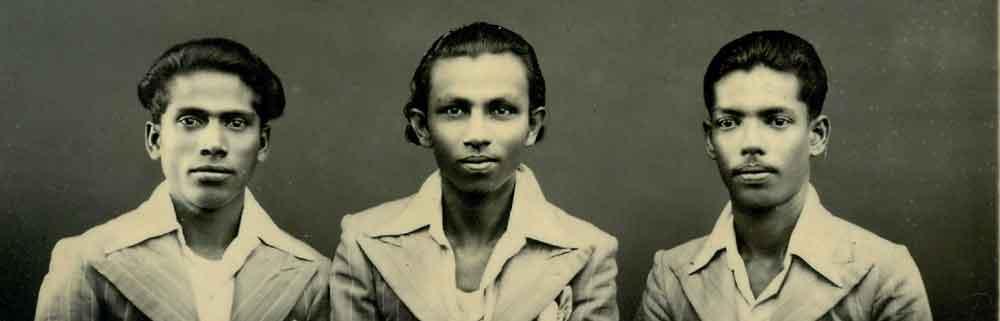
K. A. Edwin Perera
By T. G. S. Kamal Kumara
By the early 1960s, the Tower Hall theatre —the cradle of Sinhala drama — stood in silence. Its theatre groups had dispersed, its actors had abandoned hope, and the once‑vibrant stage seemed destined for oblivion. Yet, through the relentless devotion of one man, a renaissance was born.
K. A. Edwin Perera, known also as Edwin Kulatunga Arachchi, was more than an actor. He was a manager, a reformer, and the secretary who breathed life back into the Arya Sinhala Drama Society. His vision transformed Tower Hall into a national theatre, securing it for the state and preserving it as a museum of traditional drama.
A Child’s First Step onto the Stage
Edwin’s journey began in 1926, at just 12 years old. Accompanying his elder brother to Tower Hall, he was spotted by Bootabai, an Indian dance master of the Victoria Parsi Drama Society. Bootabai recognised the boy’s talent and trained him in Kathakali, Manipuri, and Bharatanatyam. Edwin’s first performance was in “Bhuridatta”, filling in for a missing child dancer.
This early initiation marked the beginning of a 46‑year devotion to Tower Hall. Few could have imagined that the boy who danced under Bootabai’s guidance would one day revive the Arya Sinhala Dramatic Society and safeguard the legacy of Sinhala theatre.
More Than an Actor
Edwin’s career spanned dozens of plays -- ‘Padmavati’, ‘Othello’, ‘Vijayaba, ‘The Poor Man’s Sorrow’, Keppetipola, Mayadunne, Dhatusena (the first play broadcast by Radio Ceylon in 1956), Samudra Devi, Sirisangabo, Laksha Hatara, Vessantara, Alakeshwara, Ramayana, and many more. He even acted in films, supported by B. Nandisena Cooray, brother of Minister B. Sirisena Cooray.
But Edwin was not content to be merely another actor. He sacrificed his own railway department salary to fund productions, trained children in drama, and carried plays from Colombo to distant villages. He fought for actors’ welfare, preserved traditional scripts, and ensured that Tower Hall remained the “Great House of Sinhala Drama.”
The Revival of the Arya Sinhala Dramatic Society
In September 1964, Edwin relaunched the Arya Sinhala Drama Society, which had become fragmented long ago. He served it earlier as a committee member and as its manager. After the 1964 relaunch, he Collaborated with then Deputy Minister R. Premadasa and Education and Cultural Minister I. M. R. A. Iriyagolla, and worked tirelessly to secure Tower Hall for the nation.
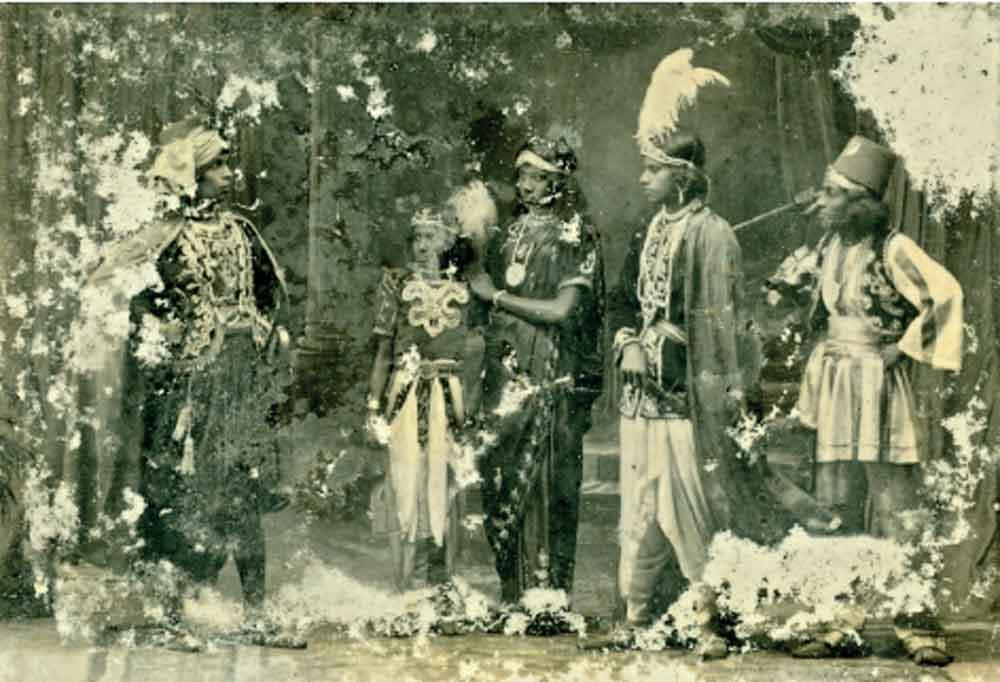
Scene from a Tower Hall play
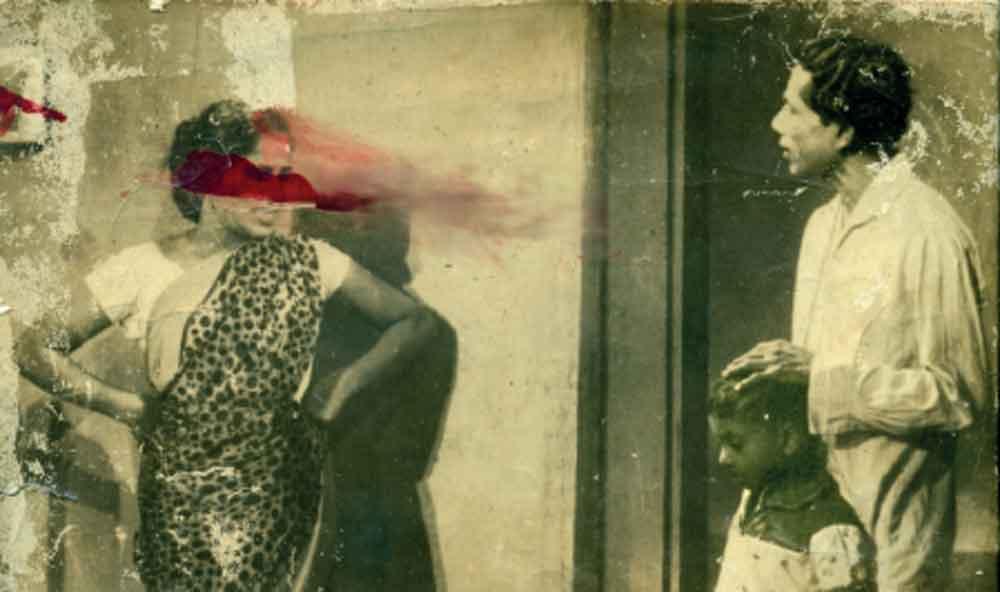 Scene from the film ‘Sepathak Soya’
His close ties with J. R. Jayewardene saw him participate in the the historic Kelaniya Walk. In 1965, Edwin presented proposals to the Radio Commission, ensuring that traditional plays were broadcast for the first time. He also published the magazine “Owadana” and wrote extensively about actors’ hardships, dreaming of financial support for their twilight years. Through the Abhayasingharama temple in Panchikawatte, he founded a welfare society to aid actors. Most importantly, he drafted the initial proposal to nationalise Tower Hall. Though the final achievement came under Prime Minister R. Premadasa, Edwin did not live to see it. He passed away on June 26, 1972.
A Legacy of Devotion
For 46 years, Edwin Perera served Tower Hall and its actors with unbroken devotion. He endured hardship with resilience, supported by his beloved wife K. Silawathi Kulatunga and children Shanti Kulatunga, K. A. Nimalsiri, Padmavati, and Chandra Irangani, first three of whom contributed to Tower Hall’s artistic life too.
It is a sorrowful irony that even the portrait photograph of this great artist which was donated to the Tower Foundation by his family is no longer visible at the Tower Hall premises.
To this silent artist, we wish eternal peace.