Reply To:
Name - Reply Comment
By Ridley Casie Chitty
As Sri Lanka commemorates 78 years of Independence, the island nation reflects on a journey marked by resilience, progress, and persistent challenges. From the optimism of 1948 to the trials of civil war and economic crises, the story of modern Sri Lanka is one of both achievement and unfinished business.
The promise of freedom
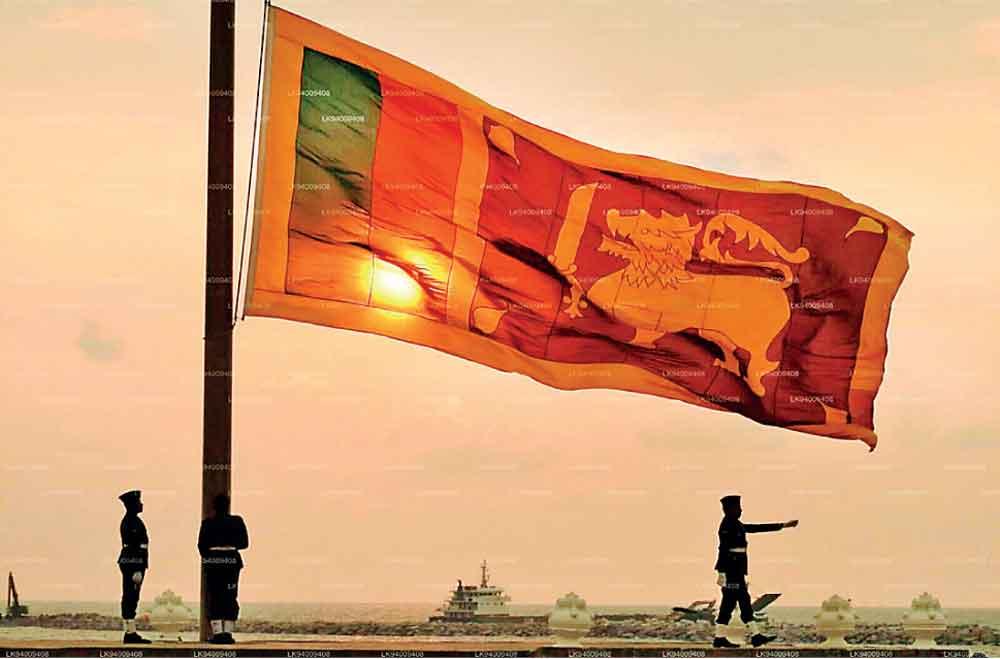
When the Union Jack was lowered on February 4, 1948, Sri Lanka inherited sovereignty and the responsibility of self-rule. The early years were filled with optimism: a parliamentary democracy, a thriving plantation economy, and a reputation as a model post-colonial state.
Education and healthcare became pillars of progress. Free schooling and medical care expanded rapidly, producing one of the highest literacy rates in South Asia. “Few nations in Asia can boast of such early investments in human capital, and Sri Lanka’s literacy and health indicators remain among the best in the region,” notes Professor Jayadeva Uyangoda, political scientist at the University of Colombo.
Political crossroads
Yet Independence also brought turbulence. The shift from a Westminster-style parliamentary system to an executive presidency in 1978 concentrated power but sparked debates about accountability.
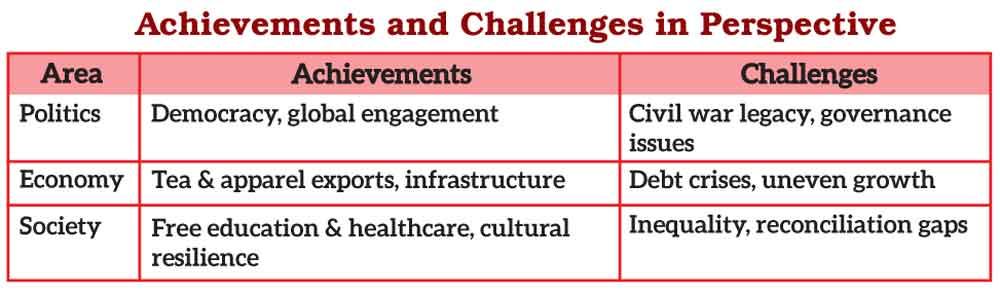
The civil war (1983–2009) scarred generations and tested unity. “The war was not just a military conflict; it was a crisis of governance and identity, and its legacy continues to shape politics today,” says Dr. Dayanath Jayasuriya, legal scholar and former President’s Counsel.
Despite these challenges, Sri Lanka has maintained democratic traditions, with regular elections and active participation in international forums such as the UN and SAARC.
Economic strides and struggles
Economically, Sri Lanka’s journey has been mixed. Tea, rubber, and coconut exports provided early stability, while apparel and IT services later diversified exports. Infrastructure projects symbolised ambition.
But growth has been uneven. Heavy reliance on foreign loans and inconsistent fiscal management repeatedly pushed the country into debt crises. “At independence, Sri Lanka was second only to Japan in Asia in terms of development indicators. Today, Singapore — which once looked to us as a model — has surged ahead, while we remain trapped in cycles of debt and mismanagement,” observes Dhananath Fernando of the Advocata Institute.
The 2022 economic meltdown, marked by shortages of fuel and medicine, was a stark reminder of structural weaknesses. Recovery efforts are ongoing, with reforms aimed at stabilizing finances and attracting investment.
Social fabric and identity
Sri Lanka’s social progress remains a source of pride. Free education and healthcare empowered generations, while cultural traditions — Sinhala, Tamil, Muslim, Burgher — continue to enrich the island’s identity.
Yet inequality persists. “Independence gave us the right to vote, but not always the ability to prosper equally. Bridging ethnic and economic divides remains our greatest unfinished task,” argues Professor Paul Carmichael of Ulster University.
Looking ahead
At 78, Sri Lanka’s independence story is neither one of unbroken success nor of failure. It is a complex narrative of resilience — a nation that has built strong social foundations, endured conflict, and continues to strive for stability and inclusivity.
As the country reflects on nearly eight decades of self-rule, the question is not only how far it has come, but how it will navigate the future: balancing tradition with modernity, unity with diversity, and sovereignty with global interdependence.
“Independence is not a destination, but a continuous process of renewal,” says Uyangoda. “Sri Lanka must now focus on economic freedom and reconciliation if it is to truly fulfill the promise of 1948.”