Reply To:
Name - Reply Comment
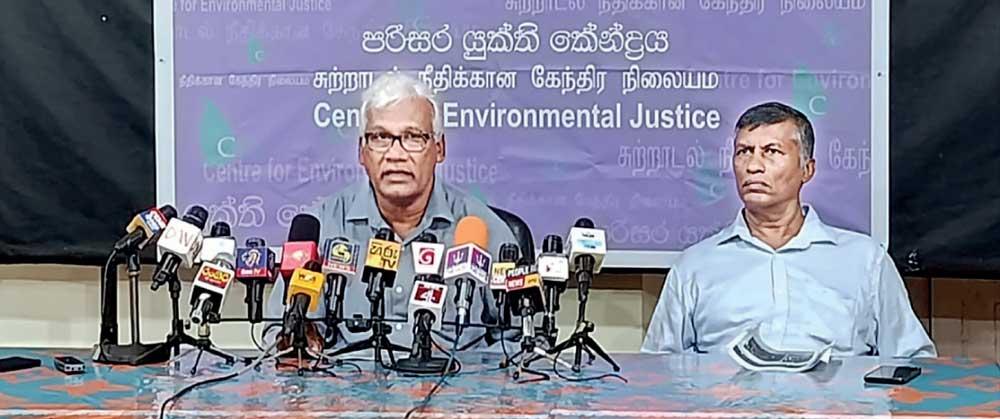
 For nearly two decades, Sri Lanka’s oil palm debate has resurfaced in cycles — often driven by economic arguments, plantation interests and changing agricultural priorities. But environmentalists argue that the current discussion over reintroducing oil palm cultivation is no longer simply about a crop. They say it has become a broader question of whether the country is prepared to trade forests, biodiversity and traditional plantation systems for a controversial industry with uncertain long-term gains.
According to Centre for Environmental Justice (CEJ) President Hemantha Withanage, the present controversy is merely the latest chapter of a long-running issue that stretches back almost 20 years.
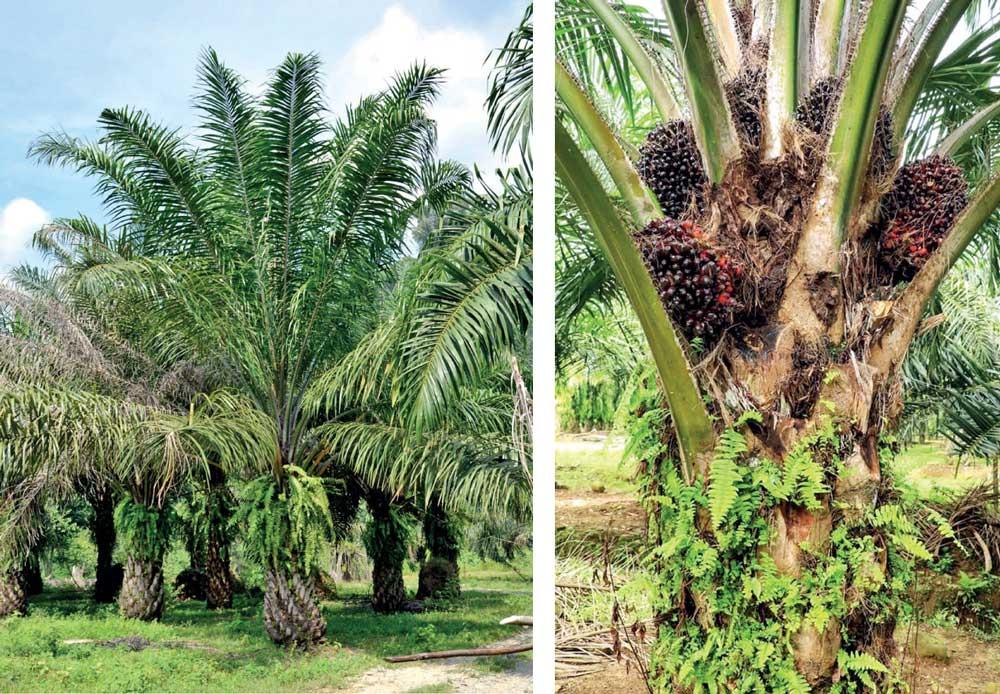
Although oil palm was first introduced to Sri Lanka nearly six decades ago, the initial cultivation at Nakiyadeniya in Galle did not emerge as a significant success. However, interest in the crop began to intensify over the last decade as plantation sector groups explored alternatives to declining rubber yields and sought new commercial opportunities.
Environmental groups claim that several plantation interests pushed for large-scale expansion of oil palm cultivation in districts including Mathugama, Kalutara, Ratnapura and Kegalle. Requests had reportedly been made to permit cultivation across nearly 20,000 hectares.
However, mounting environmental concerns eventually prompted regulatory intervention.
In 2018, the Central Environmental Authority (CEA) prepared an environmental assessment on oil palm cultivation, examining its potential environmental and social consequences. The findings later contributed to a government decision in April 2021 to halt further expansion through a gazette notification restricting oil palm cultivation.
Environmentalists argue that the report identified multiple concerns, ranging from ecological degradation to social impacts associated with plantation expansion.
Water-Hungry Crop in a Water-Stressed Landscape?
One of the major concerns raised revolves around the crop’s water demand.
Countries such as Malaysia, Indonesia and Thailand have established large-scale oil palm industries, often following extensive land conversion programmes. Critics point out that these countries possess environmental conditions and land-use histories vastly different from Sri Lanka’s landscape.
According to Withanage, oil palm trees can consume between 150 and 300 litres of water per day, creating concerns about sustainability if cultivated extensively in areas previously occupied by rubber plantations.
Sri Lanka’s plantation landscape, environmentalists argue, may not be naturally suited to supporting large-scale oil palm expansion without creating additional pressure on local ecosystems and water systems.
From Plantation Expansion to Biodiversity Concerns
Environmental activists also warn that land preparation for oil palm cultivation could have consequences beyond plantation boundaries.
Areas bordering forests, riverbanks and sensitive ecosystems in districts such as Kalutara, Ratnapura and Mathugama are cited as locations where environmental damage may occur if cultivation expands.
Concerns include habitat destruction, increased human-wildlife conflict and potential biodiversity losses.
Withanage also alleged that investigations had indicated the crop may already be displaying characteristics of invasive spread in certain locations, particularly near waterways and river systems including the Kalu Ganga basin.
He claimed that preliminary findings from environmental investigations had identified thousands of naturally spreading oil palm plants in certain Grama Niladhari divisions, with a detailed report expected to be released.
The Rubber Industry’s Decline Adds Another Layer
The oil palm debate is unfolding against a backdrop of changing dynamics in Sri Lanka’s traditional plantation sectors.
Figures cited by environmental groups indicate that land under rubber cultivation has significantly declined over recent decades. Rubber production has also fallen, leading to growing dependence on imports to satisfy domestic demand.
According to the figures presented by Withanage, Sri Lanka has increasingly relied on imported rubber and coconut oil products, creating additional pressure on foreign exchange expenditure.
Environmentalists argue that replacing existing plantation systems with oil palm may further weaken domestic agricultural sectors rather than strengthen them.
International Pressures and Local Consequences
The issue also intersects with global environmental trends. Withanage claimed that major palm oil-producing countries have increasingly faced international pressure, particularly from European markets, to adopt stricter sustainability standards and reforestation measures.
He argued that any attempt to remove restrictions on oil palm cultivation in Sri Lanka could create conflicts with environmental commitments expected by international partners and export markets.
Sri Lanka recently regained GSP+ trade concessions from the European Union, which involved meeting a range of policy and governance expectations.
Environmental organisations argue that future land-use decisions must consider not only short-term economic returns but also long-term environmental responsibilities. For CEJ, the central concern is clear: what may appear as a solution for plantation profitability today could evolve into a larger environmental and economic challenge in the future.
As Sri Lanka reopens discussions on oil palm, the debate increasingly appears to centre on a difficult question — whether the country can pursue economic diversification without placing ecological stability at risk.