Reply To:
Name - Reply Comment
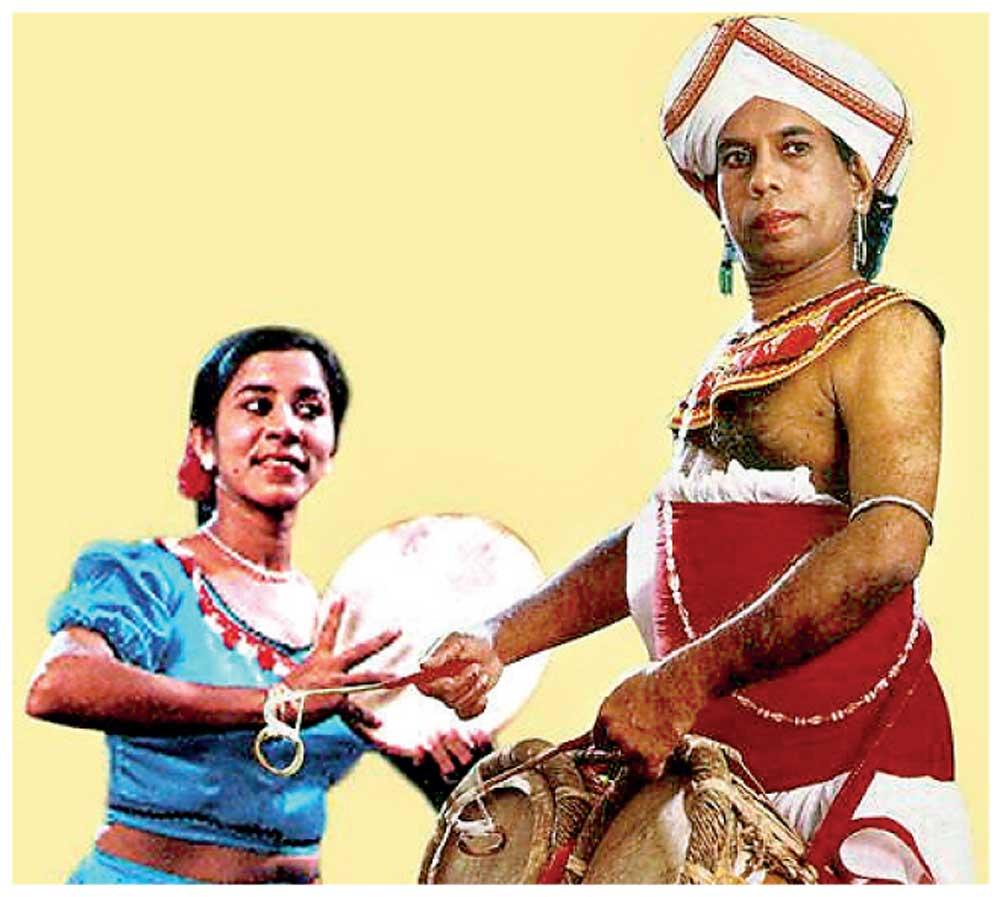
Ethno music can bridge barriers between communities
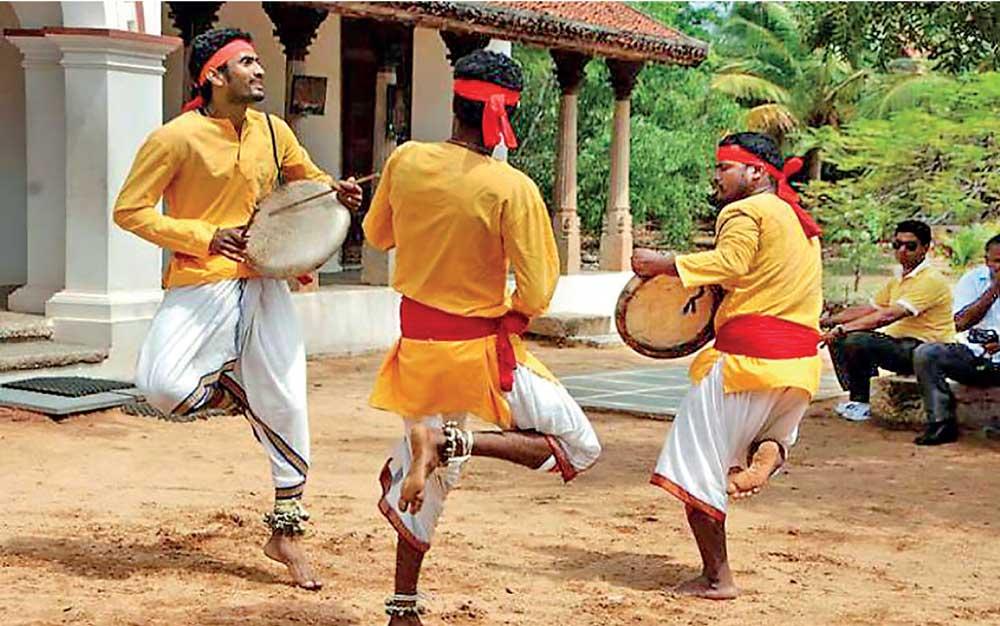
Parai Attam Folk Dance
By Mithini Dissanayake
In post-war Sri Lanka, reconciliation continues to be a complex and evolving process. Despite the implementation of institutional reforms, development initiatives, and dialogue-based interventions, deeper social and emotional divisions among ethnic communities persist. This raises an important question: are current approaches sufficient to address the relational and cultural dimensions of reconciliation?
Contemporary peace-building scholarship increasingly recognises that reconciliation extends beyond formal mechanisms. It involves rebuilding trust, fostering empathy, and creating a sense of shared belonging among communities with histories of conflict. In this context, cultural practices, particularly music, offer a significant yet under explored avenue for engagement.
Ethno-musical identity in Sri Lanka is closely intertwined with community life, reflecting collective memory, cultural values, and historical experience. Sinhala, Tamil and Muslim musical traditions, among others, represent distinct yet equally meaningful expressions of identity. While these traditions have often functioned within separate cultural spaces, they also hold the potential to create shared platforms for interaction and mutual recognition.
Music’s unique capacity
Music possesses a unique capacity to engage individuals at an emotional level, transcending linguistic and social barriers. Unlike conventional dialogue-based approaches, which rely primarily on verbal communication, music facilitates connection through shared experience. Participatory musical practices such as collaborative performances, intercultural workshops, and community-based artistic initiatives can create environments in which individuals from diverse backgrounds engage not only as representatives of different identities, but as co-creators of a collective narrative.
Local peace initiatives in Sri Lanka have played a vital role in promoting inter-ethnic engagement at the grassroots level. However, many of these initiatives remain focused on awareness-raising and dialogue, with limited integration of cultural and artistic approaches. Incorporating music into these frameworks can enhance their impact by addressing the emotional and relational aspects of reconciliation that are often overlooked.
International experiences further demonstrate the potential of music as a peace building tool. In various post-conflict contexts, music-based initiatives have contributed to trust-building, social cohesion, and the reconstruction of shared identities. These examples highlight the importance of participatory, context-specific, and sustained cultural engagement in reconciliation processes.
Within the Sri Lankan context, there is a clear need to move beyond symbolic or short-term musical events toward more structured and continuous engagement. Initiatives such as multi-ethnic orchestras or collaborative musical platforms can serve as practical mechanisms for fostering empathy, dialogue, and collective belonging. These approaches not only celebrate diversity but also actively transform it into a resource for unity. Reconciliation, therefore, must be understood as both a structural and a cultural process.
Engaging community identities
While institutional measures remain essential, they must be complemented by approaches that engage the lived experiences and identities of communities. Ethno-musical identity offers a meaningful framework through which such engagement can occur. By recognising music not merely as cultural expression but as a form of social interaction and narrative-building, Sri Lanka can adopt a more holistic approach to reconciliation. In doing so, it opens pathways for healing that are grounded in shared experience, mutual respect, and inclusive participation.
Ultimately, sustainable peace requires more than coexistence; it requires connection. Music, in its capacity to bridge difference and evoke shared humanity, holds the potential to contribute significantly to this process.
Mithini Dissanayake holds a BA (Hons.) in Peace and Conflict Resolution University of Kelaniya