Reply To:
Name - Reply Comment
 “Rage bait is not just a trend; it reflects how emotions are manipulated online and offline.”
“Provocative content spreads faster, triggering engagement while drowning out reasoned debate.”
“AI and algorithms have made it easier than ever for outrage to reach millions within minutes.”
“Historical incidents, like the Digana riots, show how online anger can spill into real-world violence.”
“Understanding rage bait and cultivating digital literacy are essential to protect democracy and social cohesion.”
Oxford University Press named “Rage Bait” its 2025 Word of the Year, highlighting content designed to provoke anger for engagement. In Sri Lanka, rage bait extends beyond social media, influencing broadcast, print, and political discourse. Emotionally charged posts and AI-amplified misinformation are reshaping elections, communal relations, and public trust, revealing urgent challenges for citizens, media, and regulators alike.
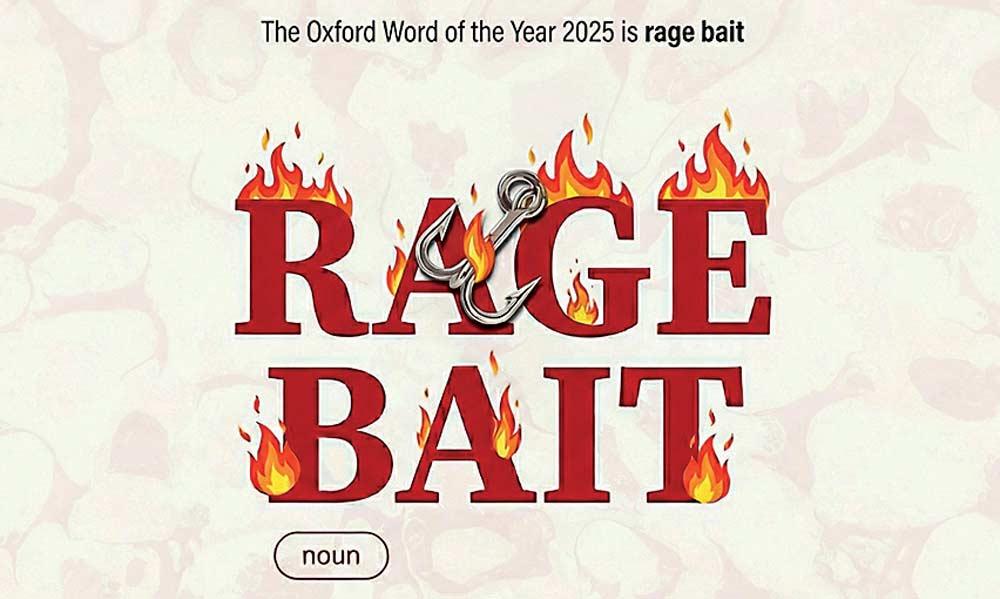
Oxford University Press has named “RAGE BAIT” as its Word of the Year for 2025. Defined as “online content deliberately designed to elicit anger or outrage by being frustrating, provocative, or offensive, typically posted in order to increase traffic to or engagement with a particular web page or social media content,” rage bait is more than a linguistic trend it reflects the ways in which emotions are manipulated online and, increasingly, offline.
Sri Lanka knows this term all too well. Rage bait is no longer confined to social media; it has influenced print headlines, broadcast debates, and even political campaigns. The consequences of emotionally charged content are already visible in our society, and understanding it is crucial as technology, social media, and artificial intelligence become ever more embedded in daily life. Rage Bait Beyond Social Media
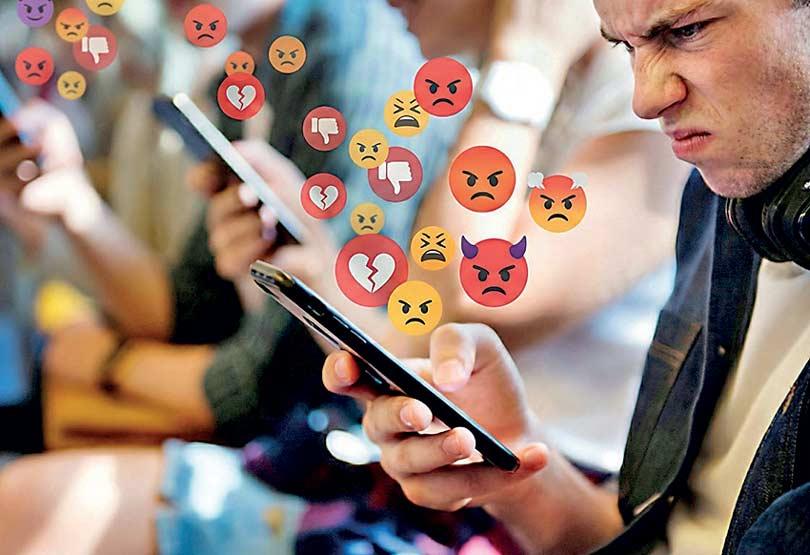
Platforms like TikTok, YouTube, Facebook, and WhatsApp are natural homes for rage bait in Sri Lanka. Provocative videos, misleading narratives, and emotionally charged posts spread rapidly, often bypassing fact-checking mechanisms. Broadcast media and print outlets sometimes replicate this pattern by emphasizing confrontation and sensationalism over context.
The 2018 Digana riots serve as a reminder of what can happen when anger is amplified unchecked, even if the details of the incident fade from memory. In the aftermath, the government blocked social media platforms for days, citing the need to contain incitement and mob mobilisation. This is not a distant memory. Digana stands as a stark demonstration of how words amplified by algorithms and shared across networks can quickly transform into violence on the ground.
Sinhala/Tamil Rage Bait: How Words Attack Online
In Sri Lanka, rage bait often takes local linguistic forms, blending Sinhala and Tamil words, phrases, and slang with provocative intent. On platforms like YouTube, TikTok, and Facebook, users frequently craft posts, comments, or captions that deliberately anger or insult individuals or groups.
Examples of Sinhala rage bait (for illustration):
The “Slave Voter” Insult - “Thawath munge boru walata rawatuna harak innawane. Munta gahanna one madu waligen. Thopi wage vahallu nisa thamai rata walapallata giye. Lajjawak nathi jathiyak.”
The “Crisis Amnesia” Bait - “Thel polime inna kota saneepa una neda? Dan eliyata bahala kegahanawa. Thopita oya una dewal madi. Wathura bonna nathuwa marenna one thopi okkoma.”
The “Pseudo-Intellectual” Classist Bait - “Lankawe chanda ayithiya denna one degree ekak thiyana ayatayi, tax gewana ayatayi witharayi. Nathnam game godayo tikak gihin horu form karanawa. Munta chanda ayithiya dunnama wenne meka thama.”
The “System Change” Cynicism - “Wadak palak nathi jeppo tika rata gini thiyanna hadanawa. Mungge thiyenne irisiyaawa witharayi. Kisima plan ekak na, kegahanna witharayi danne. Rata North Korea karannada hadanne?”
The “Diaspora” vs. “Local Sufferer” Bait - “Rata dala gihin suddange toilet hodana un apita upades denna enna epa.”
Keep an eye out for these recurring words online; they serve as semantic triggers that instantly provoke emotional reactions in users.
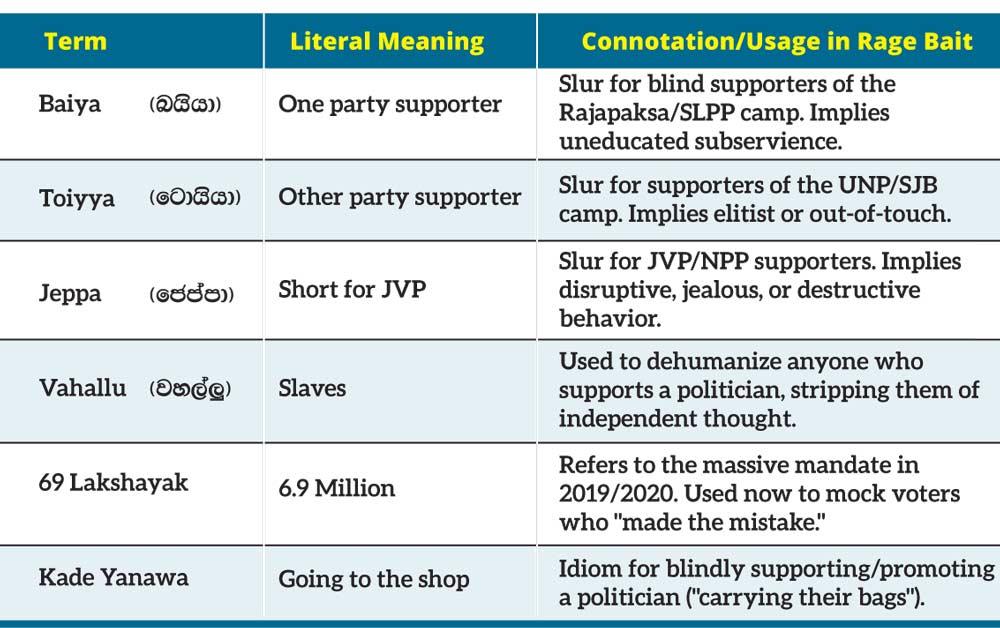
Some social media platforms now offer content monetization, which has led some users to piggyback on rage bait posts, exaggerating provocative content to gain attention and views.
By combining Sinhala or Tamil rage bait language with algorithmic amplification, divisive content spreads faster, turning outrage into both online influence and profit. On platforms like YouTube, TikTok, and Facebook, this reinforces patterns of polarization and provocation.
This section demonstrates that rage bait is not limited to English or international social media trends it is culturally adapted, leveraging local language and social context to provoke strong emotional reactions.
Elections, Media and the Rise of Divisive Content
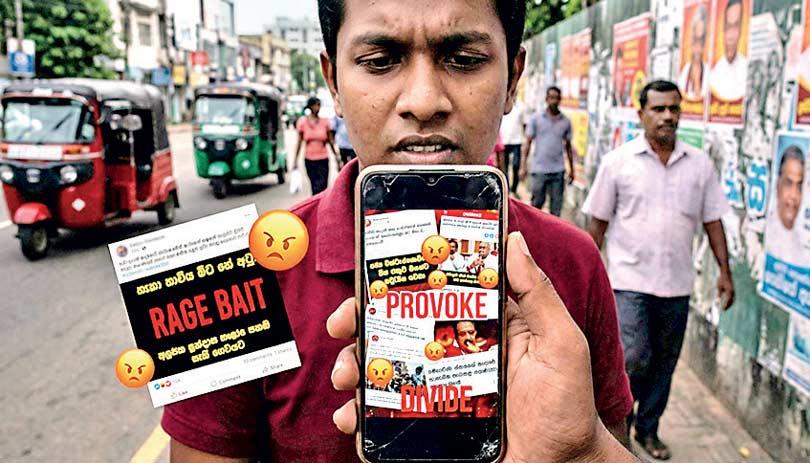
Sri Lanka’s election campaigns frequently highlight the power of outrage in shaping public opinion. During both parliamentary and presidential elections, content targeting ethnic, religious, or gender identities has circulated widely, often in the form of sensational posts or videos designed to provoke anger and mobilize support. Research and international observations repeatedly note the role of divisive narratives in creating polarized electorates.
More recently, after the November 2024 parliamentary election, hate speech and harmful content reportedly rose by 113%, with an eight-fold increase in hate directed at ethnic and religious minorities. Gender-based harmful speech targeting women also surged.
In this context, rage bait is particularly powerful: emotionally charged content spreads faster, triggers more engagement, and often dominates public discourse, sometimes drowning out measured debate or constructive policy discussions. Rage Bait in the Digital Age: Algorithms, AI and Viral Outrage
As Casper Grathwohl, President of Oxford Languages, notes:
“As technology and artificial intelligence become ever more embedded into our daily lives from deepfake celebrities and AI-generated influencers to virtual companions and dating platforms there’s no denying that 2025 has been a year defined by questions around who we truly are; both online and offline.”
Artificial intelligence and algorithm-driven social media platforms have made it easier than ever for rage bait to reach thousands, or even millions, of users within minutes. Deepfakes, AI- generated influencers, and sophisticated bots can spread content designed to provoke fear, anger, or resentment, often blurring the line between reality and fiction.
The rise of rage bait shows how the internet has shifted from attracting curiosity to manipulating emotions in our tech-driven world.
For Sri Lanka, this shift is critical. With social and political fault lines along ethnic, religious, and regional lines, the amplification of provocative content can have consequences far beyond likes, shares, or viral attention.
Consequences for Society
Rage bait may look harmless, but it causes serious problems. Its effects are wide-ranging:
 Polarization and communal tension: Content designed to provoke anger can inflame divisions and create distrust between communities.
Election manipulation: Politicians and campaigners can leverage provocative narratives to mobilize support, often at the expense of constructive debate.
Loss of Faith in Media: Sensational headlines, click-driven stories, and algorithmically amplified outrage reduce public confidence in media institutions.
Mental fatigue and disengagement: Constant exposure to anger-inducing content can exhaust audiences, leaving them cynical, anxious, or disengaged from civic life.
Historical episodes like Digana, as well as patterns observed during 2019 elections, illustrate that provocative content can translate quickly into offline consequences, from violence to social fragmentation. Looking Ahead: How AI and Emotion-Driven Content
Could Shape Sri Lanka’s Elections
If we ignored, rage bait could become a defining force in Sri Lanka’s political and social landscape, shaping how people think, vote, and behave. Future elections are likely to be influenced not only by traditional propaganda but by emotionally engineered, AI-powered manipulation designed to provoke anger, deepen polarization, and distort reality. Political actors formal and informal may deploy advanced digital tactics such as:
Deepfake videos showing candidates saying or doing things they never did
AI voice clones used to release fabricated calls and “leaked” recording to whatsapp ormedia
AI-generated influencers created solely to push political agendas
Synthetic images fueling ethnic tension, moral panic, or cultural fear
Micro-targeted ads delivering tailored rage-bait content to specific groups
Coordinated troll networks amplifying hate narratives across platforms
Manipulated livestreams blending real and fake footage to trigger outrage
Emotion-tracking algorithms predicting user reactions and pushing provocative content
In such an environment, rage bait becomes a political weapon, where elections are driven less by policy debate and more by emotional engineering. Sri Lanka already experienced with politically charged misinformation and hate speech during past elections could face a future where truth is almost indistinguishable from fabrication. This trajectory also suggests a rise in anger-driven narratives, identity politics, and misinformation; more sophisticated AI manipulation that escalates communal tensions; a generation of youth shaped by outrage-heavy algorithms; and deeper challenges to democracy as public trust erodes under the weight of normalized hate speech and emotionally charged disinformation.
How Sri Lanka Can Respond
Addressing rage bait requires a multi-pronged approach:
Digital literacy and awareness: Citizens, especially young people, must learn to critically assess online content, understand the mechanics of viral outrage, and resist knee-jerk reactions.
Media accountability: Journalists and newsrooms should prioritize accuracy, context, and ethical reporting over sensationalism.
Regulation and oversight: Authorities and social media platforms must work together to identify and reduce the spread of content intended to provoke hate or violence.
AI literacy and preparedness: Understanding the potential and limits of AI-generated content can help citizens, policymakers, and tech companies anticipate and mitigate harm.
Community initiatives: NGOs, schools, and civil society can promote dialogue, fact- checking, and tolerance, countering divisive narratives with constructive engagement. Rage Bait is More Than a Buzzword
Rage bait is not just a trendy term it is a reflection of how online and offline media can manipulate emotions and influence public perception. In Sri Lanka, where social divisions, political contests, and communal fault lines are real, the consequences of provocative content are tangible.
As Casper Grathwohl notes:
“Before, the internet was focused on grabbing our attention by sparking curiosity … now we’ve seen a dramatic shift to it hijacking and influencing our emotions, and how we respond.”
Understanding rage bait, developing media and AI literacy, and cultivating responsible online behaviour are essential steps for protecting democracy, reducing social tension, and building a more informed, resilient society.
For Sri Lanka, the time to act is now.