 Kamanthi Wickramasinghe
 Reply To:
Name - Reply Comment
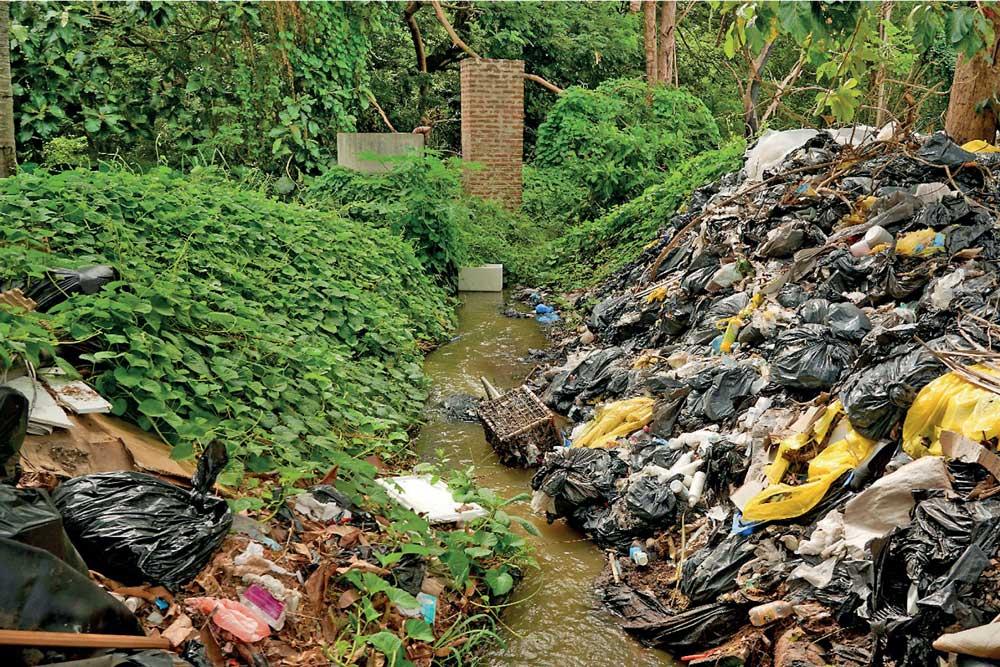
Nearby canal polluted with healthcare waste from Anuradhapura hospital
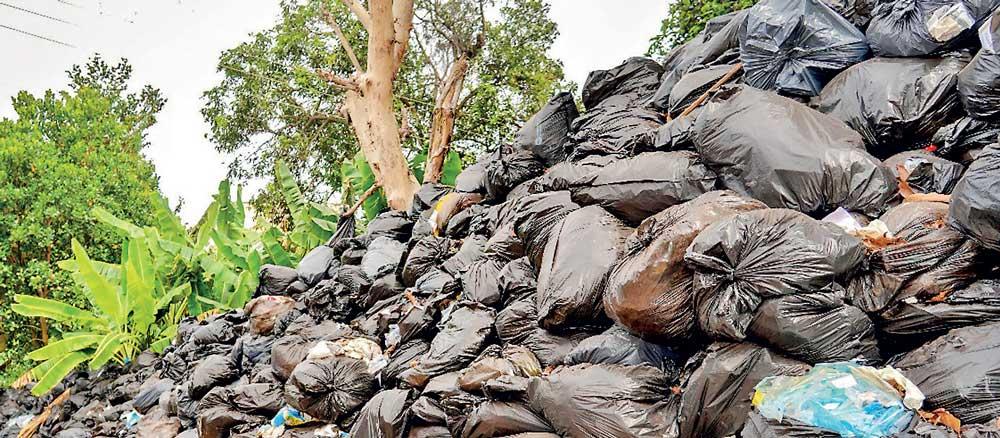
The healthcare waste management crisis at Anuradhapura Teaching Hospital surfaced once again when media reports indicated massive piles of waste dumped in an adjacent land named ‘Paldoruwa’. Medical experts point out that the non-inclusion of a healthcare waste management system – which is an integral part of any national health system has been a major drawback in national planning policies. Environmentalists have cautioned the potential impact on nearby Malwatu Oya, a river which stands as a testament to the country’s rich irrigation heritage.
Residents inconvenienced
The Anuradhapura Teaching Hospital is the largest hospital in North Central province. During the rainy season, toxic water from these garbage miles flows to nearby lands. As a result, residents have complained to the authorities to resolve the issue. In response, the Anuradhapura Mayor N. Karunaratne went on an inspection visit to this waste dumping site and the potential harm caused to residents in the immediate proximity. Speaking to the media during this visit, Chief Incumbent of Nivanthakachethiya Viharaya Ven. Rathgama Samitha Thera said that around Rs. 20 million had been spent on two incinerators but these machines had been malfunctioning over the past two years. He further claimed that such interventions have been ignored due to corruption in the system.
Healthcare waste management in Sri Lanka
The World Health Organisation (WHO) defines healthcare waste as a by-product of healthcare that includes sharps, non-sharp blood-contaminated items, blood, body parts, tissues, chemicals, pharmaceuticals and radioactive materials. Poor management of healthcare waste exposes healthcare workers, waste handlers, patients, their families and the community to preventable infections, toxic effects and injuries.
Safe management of healthcare waste involves three key principles; Reduction of unnecessary wastesSeparation of general waste from hazardous waste Waste treatment that reduces risks to health workers and the community
A 2024 study on Sustainable Hospital Waste Management in Western Province by Lalitha Fernando et al., revealed that the estimated total of infectious and sharp wastes generated from state sector hospitals (Divisional and Base hospitals) is 25.38 tons per day, and this includes 31% of radioactive waste and 91% of laboratory chemical waste. State sector hospitals (Divisional and Base hospitals) reported 80.3% and 65.7% respectively for pharmaceutical waste. The study further indicated that National hospitals and Teaching Hospitals produce the highest quantity of healthcare waste.
As per the National Environmental Act, No. 47 of 1980, and the National Environmental (Amendment) Act, No. 53 of 2000, every hospital is legally responsible for adequately managing waste from the first process until its final disposal. In 2001, the then government drafted a comprehensive national policy on healthcare waste management (HCW) to cover an integral part of the management of HCW. The institutional mechanism for implementing the national policy is envisaged at central, provincial, and local levels.
The Master Strategic Plan 2016-2025 of the Ministry of Health in Sri Lanka promotes a green and clean environment as a solution for the issue of the non-conducive environment of hospitals in the country. However, the effectiveness of these plans needs to be investigated.
Achieving sustainability of waste management practices has become a challenge to government hospitals due to financial constraints, limited facilities and infrastructure, lack of social support, and poor management and administration. Patient mindset and health capacity, positive attitudes, knowledge, awareness, and experience, training on hospital waste management, availability of basic infrastructure and resources, financial facilities for hospital waste management, availability of rules and regulations, and intra and inter-organisational supports significantly affect sustainable hospital waste management.
Another 2024 study on healthcare waste management in state hospitals in Ampara indicated that only two hospitals demonstrated satisfactory healthcare waste management practices. One of the findings was that none of the hospitals selected for the study had a proper mechanism to transport healthcare waste. The study recommends developing healthcare waste management plans, appointing focal points, establishing regular training mechanisms, allocating a separate budget, and forming healthcare waste management committees within hospitals.
Additional reporting and pix by Dayaratne Ambogama - Anuradhapura
“The locations were proposed by the Central Environmental Authority (CEA) and provincial councils. In the case of Anuradhapura, since there is a massive pile of healthcare waste being accumulated on a daily basis, there is a proposal to establish a furnace. However, a practical issue exists in deploying technical officers to manoeuvre these machines
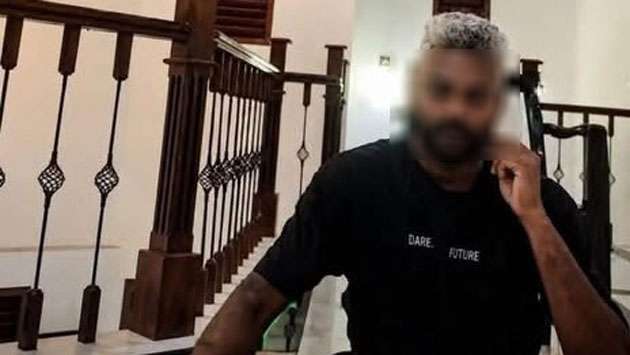
Anton Jayakodi
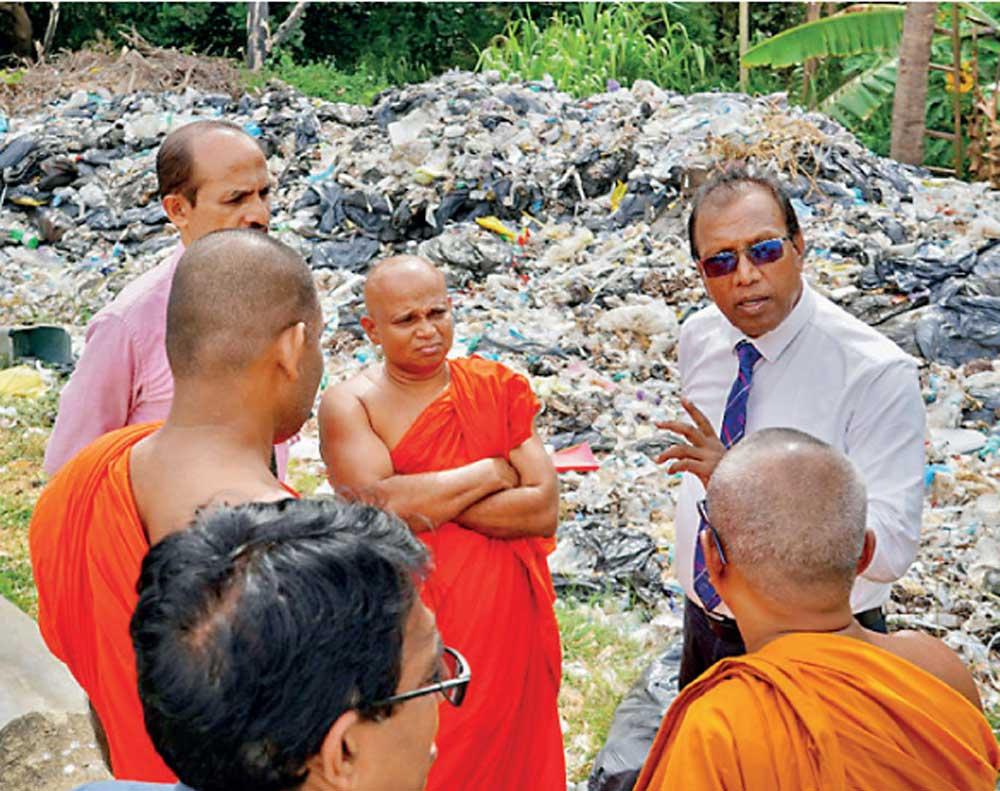
Anuradhapura Mayor N. Karunaratne and clergy during the recent inspection visit
Speaking to the Daily Mirror, Anuradhapura Hospital Deputy Director Dr. Pubudu Ranaweera said that this issue had been there for several years. “Since January there had been a spike in waste accumulation. Even though we have outsourced waste disposal services to the private sector there is a need to build up capacities of hospital staff to dispose of these waste items in a sustainable manner,” Dr. Ranaweera said while adding that the issue resurfaced after the media obtained several videos which went viral on social media.
When asked about the government’s plans to dispose and destroy healthcare waste, Deputy Environment Minister Anton Jayakody said that plans are underway to establish furnaces/incinerators in several locations around the country including Anuradhapura, Kegalle and Wennappuwa. “The locations were proposed by the Central Environmental Authority (CEA) and provincial councils. In the case of Anuradhapura, since there is a massive pile of healthcare waste being accumulated on a daily basis, there is a proposal to establish a furnace. However, a practical issue exists in deploying technical officers to manoeuvre these machines. This is why most incinerators or furnaces that had been installed had malfunctioned over the years. They need to have technical knowledge about handling the machine, its capacity, etc. The operation and handling of this machine should be that individual’s responsibility. A normal labourer cannot perform this task. So in future once an incinerator had been installed in Anuradhapura it would be monitored by the CEA and Health Ministry,” he added.