Reply To:
Name - Reply Comment
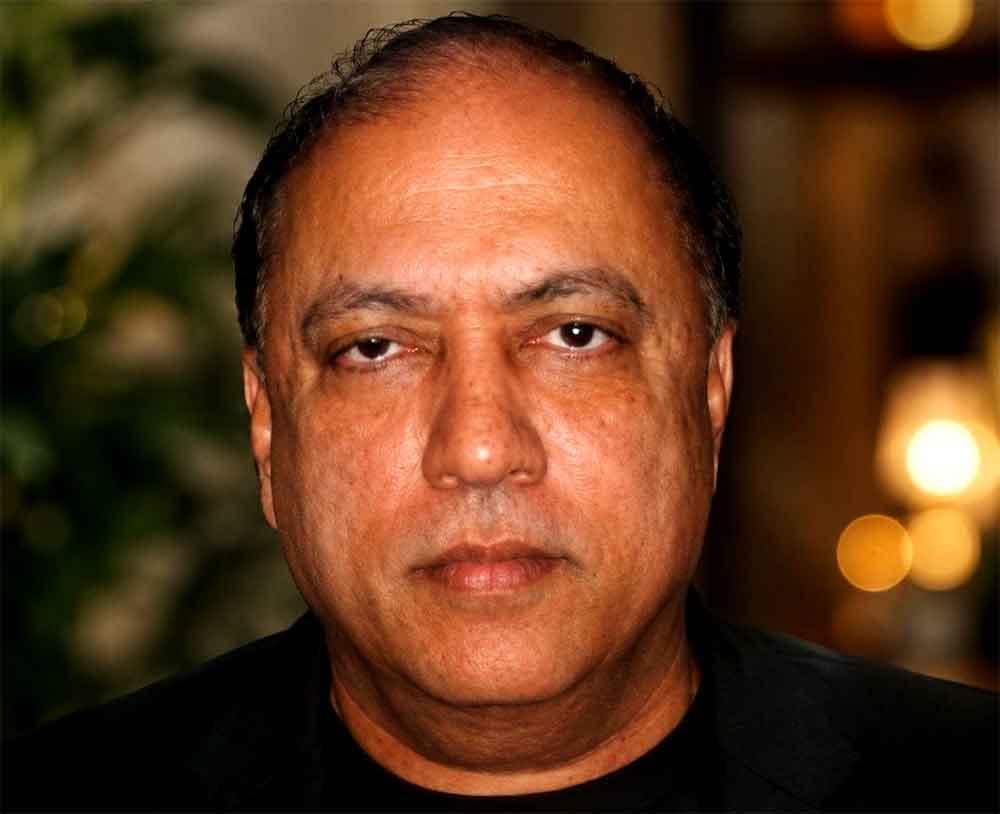
DBS Jeyaraj
VETERAN JOURNALIST DBS JEYARAJ PASSED AWAY ON MAY 17 2026 IN CANADA. SENIOR JOURNALIST FAHIMA FARISZ WHO WORKED WITH HIM AT THE SUNDAY ISLAND NEWSPAPER IN THE 1980S RECALLS THE MAN AND HIS WRITING. JEYARAJ’S REMAINS WILL BE KEPT AT OGDEN FUNERAL HOMES, 4164 SHEPPARD AVENUE EAST, SCARBOROUGH, ONTARIO M1S 1T3, ON FRIDAY, MAY 22 FROM 5:00-8:00PM, WHILE THE SERVICE WILL BE HELD ON SATURDAY, MAY 23 FROM 1:00-2:00PM
 DBS Jeyaraj -- a name synonymous with ethical reporting, journalist par excellence and an excellent human being all rolled into one. The truth and nothing but the truth was his motto, although in this endeavour he was treading treacherous ground. He write a story without making a thorough check of the facts. For him it was paramount that whatever is written should be written according to one’s conscience. He was widely known for his in-depth writing and profound analysis of the country’s ethnic politics. Jeyaraj was a well-seasoned journalist and hailed from the Tamil community. His writings defied boundaries and reflected the truth. He did not pursue fame in his writings. Jeyaraj was never one for that, calling a spade a spade was his forte even in his day-to-day dealings. His reports and articles were written in the correct perspective with utmost clarity. Undeniably forthright, he was never afraid of writing the truth and ended up being the target of the LTTE, so much so that they were waiting for a chance to bump him off. Realising the danger, it was his friend Dr. Neelan Tiruchelvam who made all the arrangements for him to move over to Canada and defy the assassin’s bullet. He wrote without fear or favour, and was able through his writings to engage young Tamils in his dialogue because they found in Jeyaraj’s writings something rather uncommon. He was writing against his own community very clearly. This was food for thought for young Tamils who disliked dogma and propaganda, and they followed his writings with bated breath. Many Human Rights organisations including Human Rights Watch and Amnesty International would cite his writings in their reports. Jeyaraj’s entry into writing against the LTTE was based on his personal experience of the July 1983 riots where his father, mother, brother and sisters barely escaped alive when a mob came after them on that fateful Black Friday of July 29, escaping the attackers by the skin of their teeth. (I too lost my mother on that Black Friday. She passed away on the road unable to return home because of the chaos on the roads on that day). On this account too, he identifies well with me. Jeyaraj’s family left their permanent home in Ratmalana and returned to Jaffna for good. This incident left an indelible mark on the young Jeyaraj and he returned to Colombo on August 4 1983, the day Parliament passed the 6th Amendment where separatism was debarred. It was this major experience in his life that drove him to ink his words and to pen his thoughts and reflections against the ethnic issue. It was a tough time for him personally because he had to make the office his home and sleep rough in the office, but none of this deterred him from his mission. He was hell bent on fulfilling his mission. If Gamini Weerakoon, one time Sunday Island Editor, was in the land of the living, he would vouch for Jeyaraj’s sagacity. Gamini Weerakoon was Jeyaraj’s silent admirer and gave him all the encouragement to get on with his work. I know this for a fact because I was witness to it; I also worked in the Sunday Island newspaper at that time. Muncharie, a Tamil weekly, was another brainchild of Jeyaraj’s. It was based in Toronto and came out in the 1990’s. The reports were in Tamil catering to the Tamil reading public in Toronto. Muncharie reported LTTE setbacks without batting an eyelid and about the Sri Lanka Army gaining ground in the war effort. This reportage did not go down well with the Tamil diaspora as they were painting a rosy picture of the LTTE’s successes.
As is wont, Jeyaraj wrote without fear or favour and once again became a target of pro LTTE machinations.
In February 1993 he was mercilessly assaulted by four men in a parking lot. Both his legs suffered untold damage and the police made no arrests although vital information was provided. His take was unmistakably different from that of other Tamil journalists who tried to portray that everything was fine with the LTTE. He had a feeling for his fellow Tamils but it was the truth that mattered to him, and he told no lies just to curry favour with the political hierarchy. He was not ready to pander after others. This he did even at the risk to his own life. Atrocities committed under the guise of a Tamil cause did not go down well with Jeyaraj. He reported each and every atrocity with utmost diligence. The ethnic cleansing of Muslims from the Northern Province in 1990 was documented with utmost clarity. On a personal note, Jeyaraj was also one-of-akind human being, ever ready to rise to the occasion and help anyone in need. On his last visit to Sri Lanka, he and his wife spent some time with us at our home in Dehiwala. He was regaling old stories and laughing his head off. I doff my hat in his memory. There will never be another Jeyaraj in my lifetime. May the turf lie softly over him. Good bye Jeyaraj