Business Main
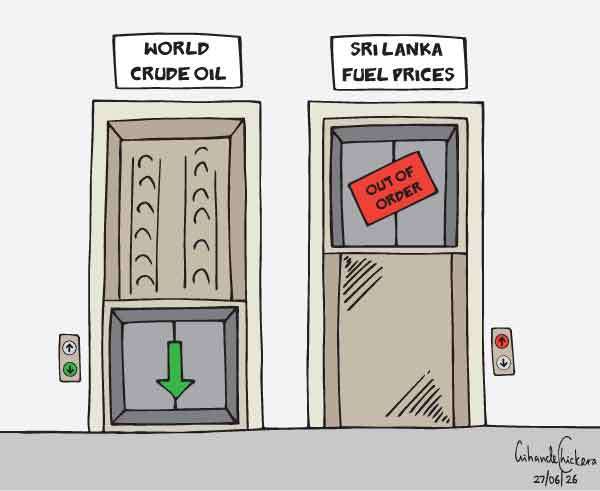
Food shortage will worsen with excessive price controls, cautions Advocata
04 Sep 2021
 0
0
393
The government moving to implement harsh price controls will have detrimental effects on the economy and the people are likely to experience further difficulties as the food shortages could further worsen.
CB extends loan moratorium, other relief to pandemic-affected borrowers till December
03 Sep 2021
0
223
Borrowers who continue to be battered by the pandemic-induced restrictions on their income generating activities are given further four months of loan relief and a host of other concessions, effective from September 01, 2021. The fresh round of payment holidays for affected borrowers came as the most recent relief scheme—third since the start of the pandemic.

Govt. announces plans for new foreign currency term loan
02 Sep 2021
0
301
In a fresh attempt to rebuild the country’s foreign reserves ahead of external debt services running into billions next year, the Finance Ministry this week called for proposals from banks, investment houses and institutional investors to raise a foreign currency term loan denominated in US dollars, euro, renminbi or Japanese yen.

Govt. prepares for austerity measures; no decision on IMF assistance yet
01 Sep 2021
0
259
Although the government is yet to reach a definite decision whether to go to the International Monetary Fund (IMF) or not, it has begun preparations for austerity measures such as freezing new recruitments and restructuring welfare programmes in order to curtail government expenditure in the upcoming budget 2022 amid a narrowing fiscal path.

Despite policy rate hike, CB stresses still in easing cycle
31 Aug 2021
0
593
Pushing back on claims made to the effect of reversal in the monetary policy towards a hawkish stance from a dovish stance, the Central Bank said it hasn’t made a turnabout and the measures last week were predominantly aimed at addressing some of the imbalances cropped up in the last few months in the foreign exchange market and also to pre-empt signs of some price pressures.
Budget deficit expands in 1H despite higher tax revenue
30 Aug 2021
0
256
Sri Lanka’s fiscal deficit expanded slightly despite higher revenues during the first six months of 2021 compared to the same period last year, made possible by the higher tax revenues collected during the first three months of the year from a burst in economic activities, before things began to sour thereafter due to virus related restrictions on the economy.

S&P revises down SL’s outlook to negative; ‘CCC+/C’ rating affirmed
28 Aug 2021
0
230
S&P Global Ratings yesterday revised its outlook on Sri Lanka’s long-term ratings to negative, from stable, while affirming its ‘CCC+’ long-term sovereign credit ratings and ‘C’ short-term ratings on Sri Lanka.

IMF’s SDR allocation will only provide some breathing space for Sri Lanka: IIF
27 Aug 2021
0
232
The Internal Monetary Fund’s (IMF) US$ 800 million Special Drawing Rights (SDRs) allocation to Sri Lanka is only likely to provide some breathing space to the debt-ridden nation to delay a much needed IMF programme for a possible debt structuring until early next year, according to the Institute of International Finance (IIF), a Washington-based global association of the financial services industry.

Central Bank imposes 5% maximum rate on forex deposits in local banks
26 Aug 2021
0
248
Reinforcing an early cap imposed on the foreign currency-denominated deposits by the local banks, the Central Bank yesterday issued an order stipulating the maximum rate at 5.0 percent for deposits denominated in foreign currency up to one year, barring for special foreign currency deposits the regulator introduced last year.

PUCSL and CEBEU blame each other over arbitration case that could cost US$ 160mn to SL
25 Aug 2021
0
481
The Ceylon Electricity Board Engineers’ Union (CEBEU) and Public Utilities Commission of Sri Lanka (PUCSL) are throwing the blame at each other as a Malaysia-based renewable energy investor has resorted to arbitrary action against the Ceylon Electricity Board (CEB) for the cancellation of 35MW wind and solar power renewable energy project in Kankesanthurai while claiming US$ 160 million in damages from the Sri Lankan government.

CEB instructed to come up with fresh long-term generation plan
24 Aug 2021
0
343
The Public Utilities Commission of Sri Lanka (PUCSL) has instructed the Ceylon Electricity Board (CEB) to come up with a fresh Long-Term Power Generation Expansion Plan, complying with the 70 percent renewable energy power generation target set by the government for 2030.
Citibank doesn’t rule out further rate hikes by CB
23 Aug 2021
0
280
Citibank in a note issued soon after last week’s monetary policy action said although the Central Bank would pause for sometime given the temporary respite they may get from the envisaged foreign inflows via swaps and others, it did not rule out further hikes in policy rates towards the end of the year and next year to keep external challenges in check.
July merchandise exports top US $ 1bn after four months
21 Aug 2021
0
267
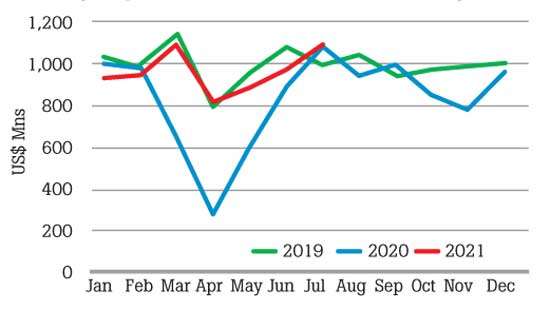
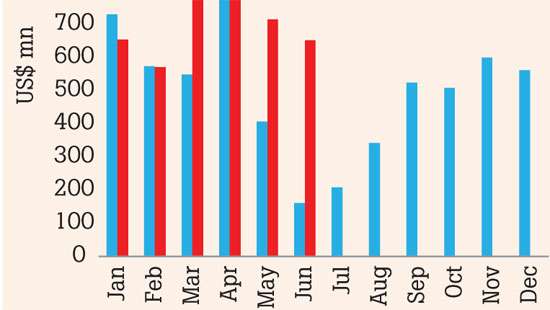
Sri Lanka’s merchandise export earnings surpassed the US $ 1 billion mark in July, after a lapse of four months, where a similar achievement was only recorded in March during this year.
CB ends pandemic era policy stimulus as key rates raised by 50bps
20 Aug 2021
0
181
The Monetary Board yesterday raised policy interest rates, ending its unprecedented monetary support extended to the pandemic-hit economy in a bid to address recent external sector imbalances and ward off medium term price pressures to make sure the economy is on track to record 5.0 percent growth this year.

Local firms raise over Rs.77bn through CSE in first 7 months
19 Aug 2021
0
219
The Colombo Stock Exchange (CSE) evidently had been one of the most preferred options for local corporates of all sizes to raise capital in the first seven months of 2021.
Subdued economy to stay through Sept. as Delta wreaks havoc
17 Aug 2021
0
217
The lingering virus could dampen the economic activities through the end of September, further delaying any hopes for a tangible recovery in the economy, which was continuously battered by half a decade of subdued growth before contracting last year.

July foreign reserves weaken after US$ 1bn bond settlement
16 Aug 2021
0
237
Sri Lanka’s gross official reserves weakened as expected in July after the government settled a billion dollar bond with coupons among other obligations on July 27.
Trade gap widens for fourth consecutive month in June
14 Aug 2021
0
220
The trade deficit continued to widen for the fourth consecutive month in June on a year-on-year (YoY) basis, as imports grew at a faster pace, driven by consumer and investment goods, surpassing the pre-COVID levels, despite a decline in the fuel import bill and import restrictions in place.
Hela plans Rs.4bn IPO on CSE to fund growth here and Africa
13 Aug 2021
0
1771
One of the fastest growing apparel manufacturers in Africa, Sri Lanka-headquartered Hela Apparel Holdings plans to raise up to Rs.4 billion (US$ 20 million) by offering 20 percent stake in the company through an initial public offering (IPO) on the Colombo Stock Exchange (CSE) to fund growth initiatives in Sri Lanka and Africa, including its immediate expansion into Egypt.

Citibank says Sri Lanka’s ability to settle US $ 1bn bond mid next year “less than likely”
12 Aug 2021
0
494
With no considerable foreign exchange inflows in sight,

Cement industry likely to be next victim of price controls
11 Aug 2021
0
638
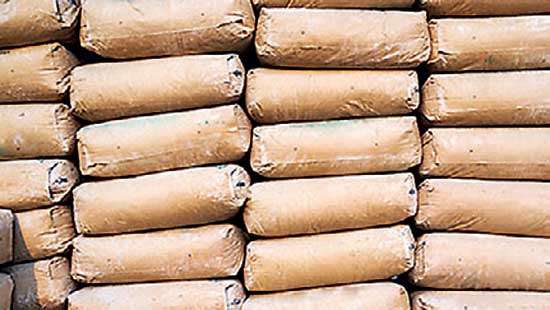
Sri Lanka’s cement industry could become the latest victim of controlled prices as manufacturers are contending with input and other costs, which are rising at a level that no longer enables them to stay solvent at the current retail price for cement.
SDAs with higher rate identified as catalyst for increased remittances
10 Aug 2021
0
219
The Special Deposit Accounts (SDAs) introduced last year at the onset of the pandemic, offering a higher rate of interest for foreign currency deposits, are also playing a role in drawing more foreign earnings from the Sri Lankan expatriates working particularly in the developed countries, ICRA Lanka has observed.

Poor quality white sugar hampers quality of local confectionaries: LCMA
09 Aug 2021
0
271
Sweet turns sour for local confectionery manufacturers as they are expected to feed into their production process substandard sugar which has hampered the overall quality of the end product reaching the market.

US-China trade spat worked in favour of Sri Lanka, says leading fabric maker
07 Aug 2021
0
258
The trade rebalancing act that took place between the United States and China has already worked in Sri Lanka’s favour, as the fabric supply chains began shifting towards South East Asia, seeking to establish new supply relationships after being too dependent on China for far too long.

Pandemic fuels SL’s digital literacy; computer literacy lags
06 Aug 2021
0
209
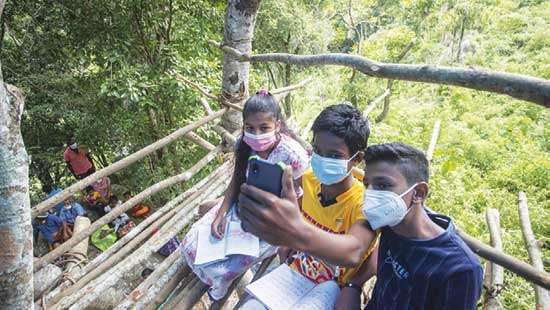
While computer literacy hasn’t reached a third of the population in Sri Lanka, the COVID-19 pandemic has given the country’s digital literacy a push with people picking up digital devices to connect with each other, work, study and entertain themselves while staying at home.
Adani-JKH container terminal gets 25-year tax holiday
05 Aug 2021
0
409
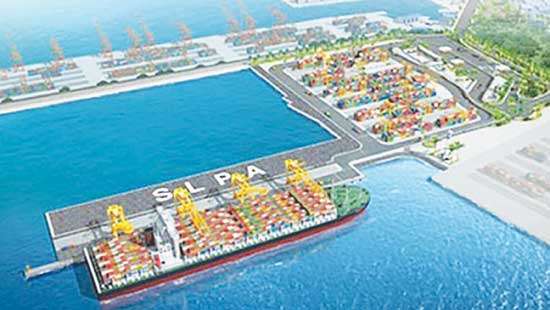
Under the Strategic Development Projects Act, the government has granted a 25-year tax holiday for the proposed West Container Terminal (WCT) at the Port of Colombo to be built by India’s Adani group with its local partner,
Govt. does U-turn; allows import of chemical fertiliser under licence regime
04 Aug 2021
0
238
Further relaxing the import restrictions initially imposed on agrochemicals, the Finance Ministry has allowed the importation of several previously banned chemical fertilisers under an import control licence (ICL) regime for plant nutrients, with effect from July 31, 2021, with the issuance of a fresh gazette notification.

CB could continue to stay dovish during rest of year: ICRA Lanka
03 Aug 2021
0
218
The Central Bank could stay on its current dovish monetary policy path through the rest the year, as the desired goals of such a policy are being achieved by way of accelerated pace of credit to the economy, although further easing is ruled out due to the potential excesses emerging in the economy.

Workable plan backed by durable analysis urged for avoiding default
02 Aug 2021
0
191
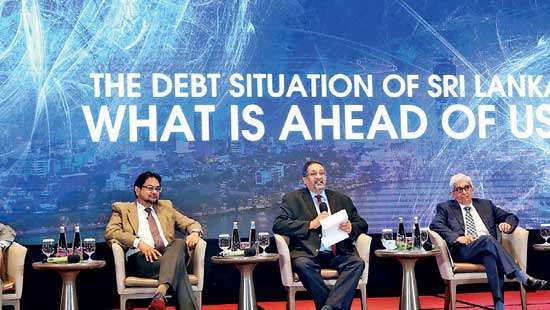
A workable plan backed by a durable analysis presents Sri Lanka with the best chance to overcome the current external debt crisis and a potential foreign exchange reserve crisis by rebuilding the confidence on the country among local and foreign investors, while averting a default scenario, according to a top economist.
Virus restrictions buffet growth momentum in credit card spend
31 Jul 2021
0
162
The virus-related restrictions on a wide swath of the economy since April third week took a massive toll on the credit card spend by the Sri Lankans,