 Moiz Mustafa
Reply To:
Name - Reply Comment
By Moiz Mustafa
Sri Lanka is now deep inside a national disaster that continues to unfold hour by hour. Floods have torn through major districts, rivers have crossed historic danger levels, landslides have crushed homes and roads, and more than 2.17 million people across all 25 districts have been affected as of this date. Thousands remain in safe centres, and hundreds are still missing.
Sri Lanka is facing a phase of the disaster where danger arrives quietly — often without rain. As families attempt to move or return home, new, hidden risks are emerging. This is the stage where awareness can save lives.
Cyclone Ditwah Live Updates in Sri Lanka - Landslides, flood rescues, road closures, rail disruptions and government alerts - Click here
Floodwater that looks calm but isn’t
Even with reduced rainfall, floodwater remains highly unpredictable.
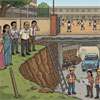
Roads that looked safe from the surface have collapsed from below, as seen in multiple districts.
Entire bridges and road segments have failed without warning.
A road may appear dry but may be structurally hollow after prolonged erosion.
Walking or driving on submerged or recently submerged roads is extremely dangerous — avoid unless officially cleared.
Landslides Long After The Rain Stops
The hill country remains one of the highest-risk zones. Rambuk-ela, Hasalaka, Badulla and Bulathkohupitiya have all reported deadly slides.
Kandy, which saw around 180 mm of rainfall, is still under a major landslide threat. Landslides do not wait for rain. They strike when slopes are fully saturated, and that is exactly where Sri Lanka stands right now.
Cracks on walls, leaning trees, strange sounds from the ground or sudden muddy seepage are early warnings. People living in these areas should not wait for a second sign. Movement should be immediate.
Contaminated Water Across Multiple Districts
Flooding has already affected major water treatment operations. The Ambatale Plant came under pressure, wells in several districts were contaminated, and floodwater mixed with sewage and runoff across the island.
This is one of the biggest health risks right now. Waterborne diseases rise sharply after floods. Even when tap water looks clean, it must be boiled before drinking. No shortcuts. No exceptions.
Hidden Electrical Hazards Everywhere
Power disruptions have surpassed 65,000, and many homes have submerged wiring and wet junction boxes. Even shallow water can be electrified if a live line has fallen nearby.
Anyone returning home should avoid switching on the main power supply until the CEB inspects it.
Sri Lanka has seen electrocutions during every major flood event. This period is especially dangerous.
Buildings That Are No Longer Stable
Houses that have absorbed water for days can be structurally unsafe. Walls can crack. Floors can shift.
Roofs can sag. Homes built near slopes and waterways are at even greater risk.
Before entering a home, every wall, floor and doorway needs to be checked carefully. If anything looks out of place, it’s safer to wait. No one should rush inside just because the water is lower.
Snakes, Rodents and Displaced Wildlife
Rescue teams have already reported snakes inside homes, rodents entering rooms and animals gathering in dry areas. Floodwater forces wildlife to move, and homes become their next shelter.
Anyone entering a house should check every corner, every room and every bundle of belongings.
Even stored clothes or bedding may hide animals seeking refuge.
The Risk of Makeshift Rafts and Improvised Transport
In the Kala Oya operation, several residents attempted to move through floodwater on barrels and planks. These overturned easily and complicated the rescue work.
Fast-moving water is strong enough to lift entire buses, as we saw earlier this week. Improvised rafts are extremely unsafe. If rescue teams cannot reach immediately, staying on higher ground and signalling is far safer.
Children, Elders and Vulnerable Groups Need Extra Attention
The hardest rescues in the past 48 hours have involved young children, people with disabilities and elderly individuals who could not evacuate quickly.
Families should stay close together, especially when moving across wet or unstable ground. A moment of separation is enough for a serious accident.
Returning Home Calls for Patience and Caution
Re-entering a flood-damaged home is not just about cleaning. It is about safety. People should look for structural cracks, snake presence, weakened beams, gas leaks and electrified surfaces. Nothing should be touched until the building feels stable and secure.
Why Awareness Matters Most Right Now
Sri Lanka is living through one of its most disruptive weather events in years. Families are exhausted. Children are frightened. Rescue teams are stretched across districts. Many people have lost homes and belongings. While the worst of the rain occupied the country’s attention, the hours and days that follow are just as dangerous.
This phase demands calm, caution and awareness. The floodwaters may be shifting, but the risks remain. Every area has its own challenges, from unstable slopes in the highlands to contaminated water in the Western Province and unpredictable river surges in the lowlands.
Staying alert, moving carefully and looking out for one another will determine how safely Sri Lanka gets through the days ahead.