Reply To:
Name - Reply Comment
By Darshana Sanjeewa Balasuriya
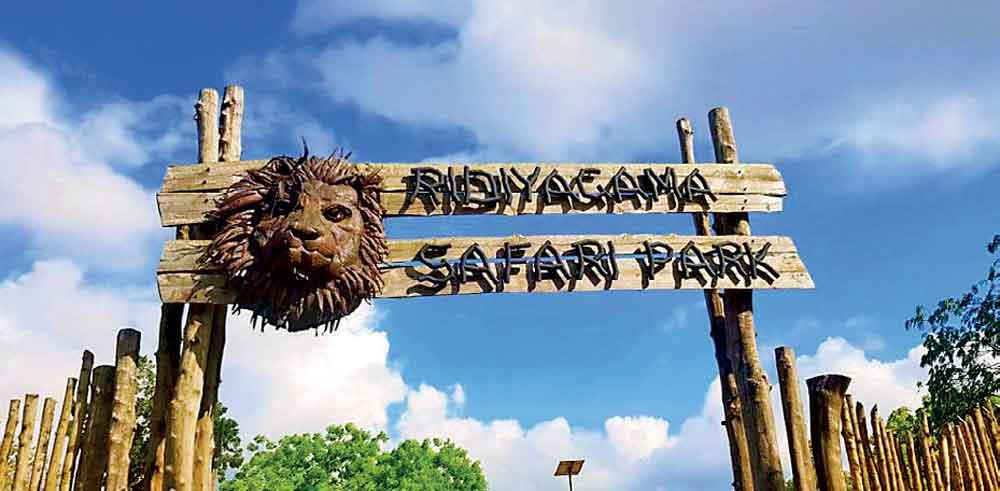
Despite attracting large crowds at Dehiwala Zoo and Pinnawala Zoo, a recent audit has highlighted serious challenges affecting visitor experience at the Ridiyagama Safari Park, Sri Lanka’s only safari park, and the nearby Pinnawala Zoo due to the limited variety of animals and lack of an attractive environment.
According to the audit of the Department of National Zoological Gardens for the year ending December 31, 2024, Dehiwala Zoo welcomed 1,023,091 visitors in 2024, while the Pinnawala Elephant Orphanage recorded 650,013 tourists.
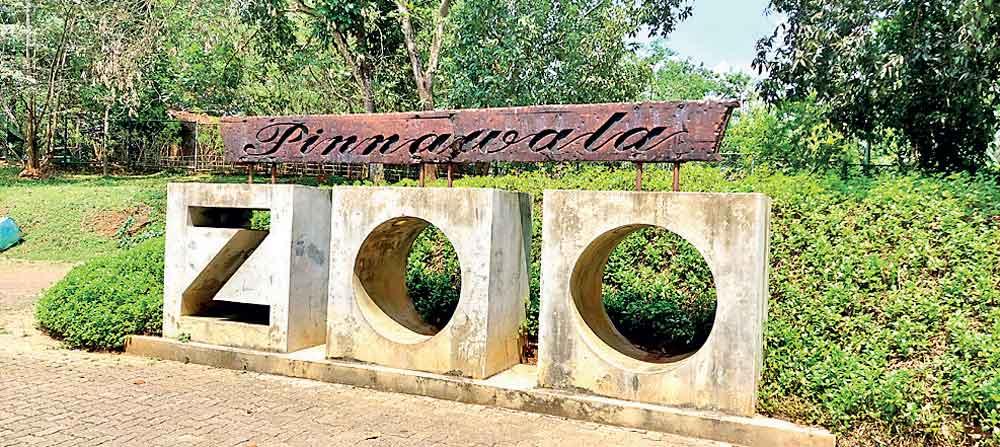
However, the Ridiyagama Safari Park, the only safari park in the country, and the nearby Pinnawala Zoo received only 209,500 and 302,627 visitors, respectively.
The audit noted that visitor numbers to those attractions were affected by the limited variety of animals, lack of an attractive environment, and insufficient publicity. In response, the Accounting Officer explained that import restrictions and the country’s crisis between 2019 and 2022 had prevented the acquisition of new animals.
“Animal exchanges resumed in 2023, and in 2024, domestic black swans and sheep were added to the Safari Park. Animals from Russia and India have also been acquired under foreign exchange programmes, with some expected to arrive at the park soon,” the officer informed.
The officer noted that the construction of the Cheetah and Leopard zones, which have been stalled and hindered their attractiveness due to a lack of funds and restrictions on the initiation of new projects. The construction of the Cheetah zone was included in the 2024 action plan, while the construction of the Leopard zone is expected to be carried out in 2025.
In response, the audit recommended that steps be taken to acquire additional animals and enhance the environment and facilities at the parks to increase tourist attraction.
Meanwhile, the audit has revealed that 150 acres of its total 500-acre area of the Ridiyagama Safari Park have remained unused since the park’s inception.
The Accounting Officer explained that a zone plan was prepared at the park’s establishment, and animal zones were to be developed progressively based on annual budget allocations. However, economic difficulties between 2020 and 2022 delayed construction due to insufficient funding. The officer added that zone construction is now proceeding according to the original plan.