 CHATURANGA PRADEEP SAMARAWICKRAMA
 Reply To:
Name - Reply Comment
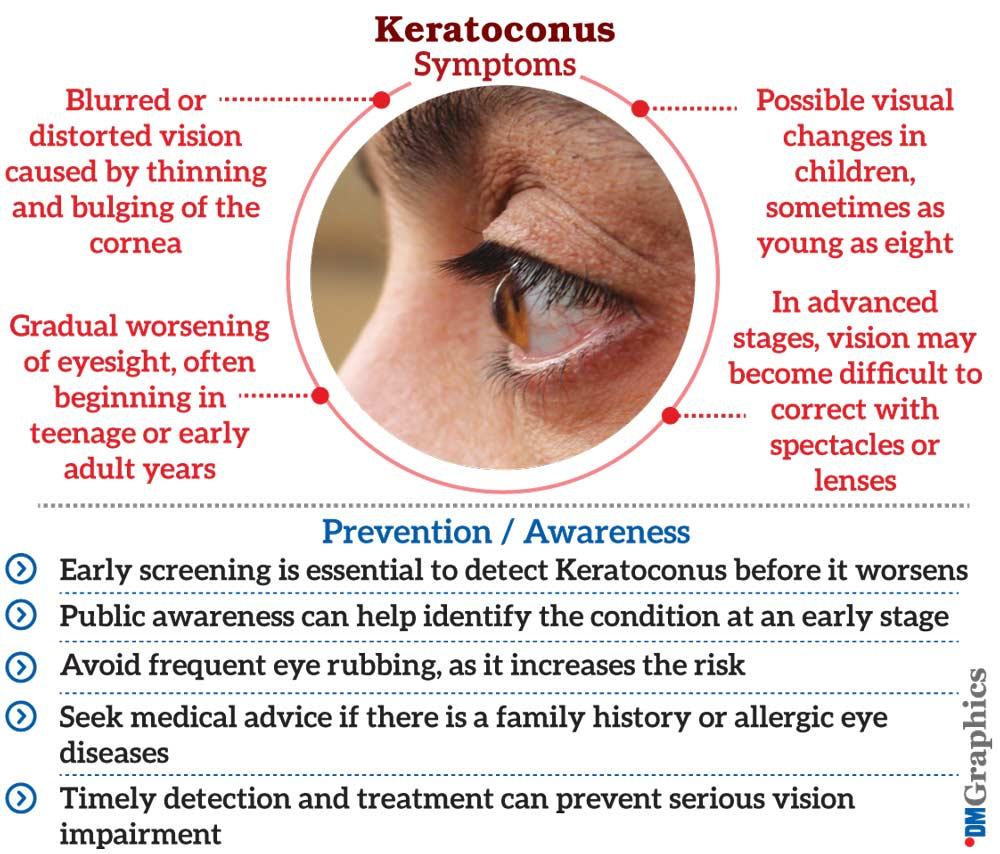
 Condition causes the cornea to thin and bulge into a cone shape, leading to blurred or distorted vision
Reports indicate most patients fall between ages 10 and 40, with the disorder typically starting during teenage or early adult years
Keratoconus, a progressive eye disorder that distorts vision, is increasingly being detected among Sri Lankans, including schoolchildren, the National Eye Hospital has cautioned.
Marking World Keratoconus Day, Consultant Cornea Surgeon Dr. Kusum Ratnayaka said cases of the condition, once considered rare, are now emerging even among children as young as eight years old.
Keratoconus causes the cornea, the clear front surface of the eye, to gradually thin and bulge into a cone shape, resulting in blurred or distorted vision.
Dr. Ratnayaka noted that while no national survey has yet been conducted, reports indicate that most patients fall between ages 10 and 40, with the disorder typically starting during the teenage or early adult years.
He added that those with a family history of the condition, frequent eye rubbing, allergic eye diseases such as vernal keratoconjunctivitis, or conditions like Down syndrome and connective tissue disorders are at higher risk. Treatment options depend on the stage and severity of the disease, ranging from spectacles and special contact lenses in early stages to corneal collagen cross-linking (CXL) to halt progression and corneal transplants in severe or scarred cases. Dr. Ratnayaka urged early screening and public awareness, warning that untreated Keratoconus can lead to serious vision impairment if not detected and managed in time.