Reply To:
Name - Reply Comment
By Nishel Fernando
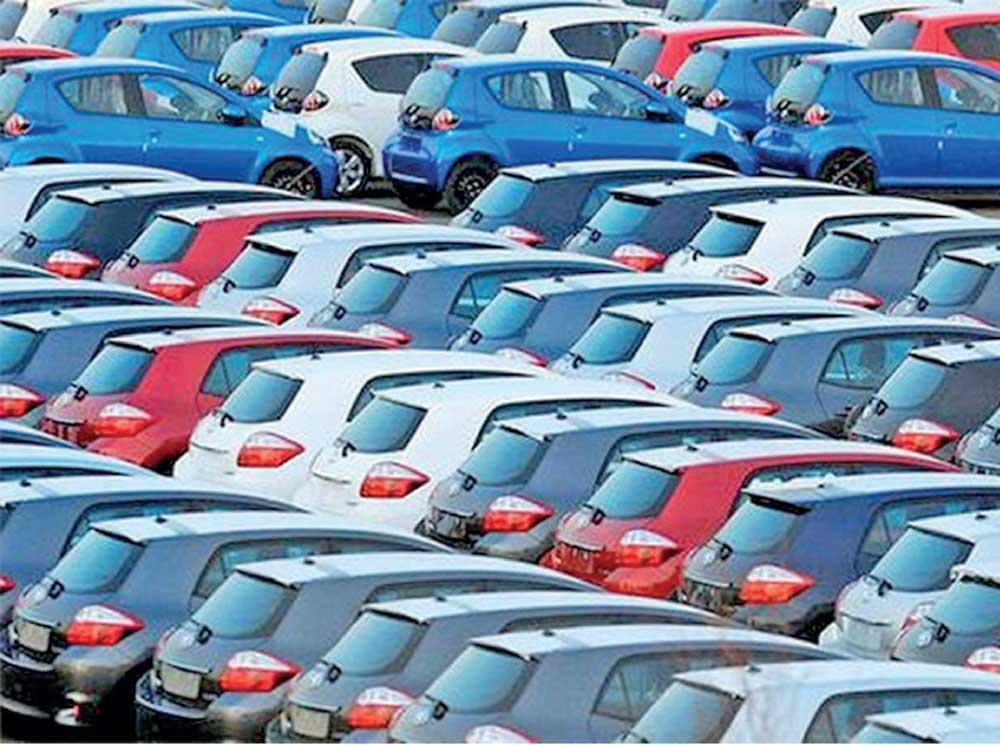
Sri Lanka’s automotive sector is bracing for a market contraction, driven by the recent depreciation of the rupee and lingering consumer anxieties over the fuel situation.
“If things were equal and you were having a normal movement of cars, you would have a 15 percent to 20 percent drop at least as a result of the fuel crisis and vehicle prices,” Kia Motors Lanka Chairman Mahen Thambiah told Mirror Business.
He shared these remarks on the sidelines of an exclusive media unveiling on April 7, where the company launched its flagship 2,700-square-foot showroom at the Altair high-rise in Colombo, marking the local debut of the Kia Tasman double cab pickup alongside its latest electric and hybrid models.
A macroeconomic perspective on the current landscape reveals a stark contrast to the buying frenzy seen immediately after the reopening of the vehicle import market. New vehicle registrations, which stood at a robust 55,365 units in January 2026, moderated to 51,682 units in February 2026.
Thambiah noted this stabilisation was anticipated as “people have bought whatever they want” but stressed that the exchange rate pressures are now the primary deterrent for future imports.
“Today, the customs rate is 320. That’s going to push up the prices,” he explained.
“Rs.10 more now from 310 to 320 on the dollar; roughly a car that is about US $ 30,000 is going to go up by a million rupees. So that’s a lot. The demand will dip. People are also scared about spending money.”
Beyond the domestic pricing pressures, deep economic analysis highlights a significant vulnerability regarding foreign worker remittances. Sri Lanka recorded an all-time high of US $ 8.076 billion in worker remittances in 2025.
“The main thing is the foreign remittances from the workers overseas coming, particularly from the Middle East,” Thambiah cautioned, pointing to the broader economic risks.
“At the moment, it might be okay. But whether that’s going to continue is a question. If that starts dropping ... if that comes down by US $ 2 to US $ 3 billion, then we are going to have a problem.”
This remains a critical concern for an economy that relies heavily on expatriate inflows to stabilise its exchange rate and fund consumer imports.
The conversation also pivoted to the much-discussed transition to electric vehicles.
The new Altair showroom proudly features Kia’s latest electric line-up, including EV3, EV5, EV6 and EV9.
While the psychological impact of rising fuel costs has made EVs attractive, Thambiah highlighted that practical and economic realities make hybrids the preferred immediate choice for many.
“I think hybrids certainly are the way to go and a lot of people are going for the hybrids,” he noted.
Addressing long-term consumer concerns regarding broad EV adoption, he added, “After three years, you will have to wait and see how the battery performance and things are ... that’s where the replacement cost is very high on the batteries.”
Consequently, Kia is strategically balancing its portfolio with a strong hybrid line-up alongside its electric models, ensuring the consumers have access to world-class, fuel-efficient options while the local EV ecosystem matures.