Reply To:
Name - Reply Comment
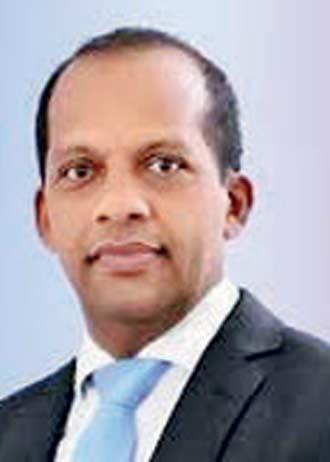
Suresh Perera Hasitha Radella 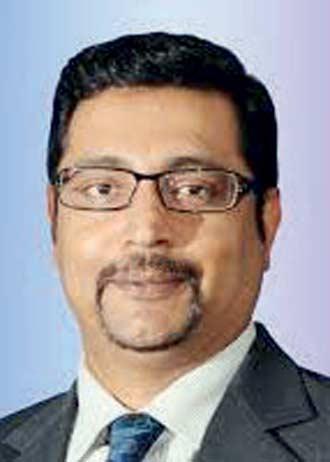
By Shannine Daniel
The reduction of Sri Lanka’s Value Added Tax (VAT) and Social Security Contribution Levy registration thresholds from Rs.60 million to Rs.36 million per year is expected to have a significant impact on the market next year, according to KPMG Sri Lanka Head of Tax and Regulatory Suresh Perera.
“As expected, the government has not introduced new taxes but has called for certain changes to the existing tax structures. There will also be many changes in the tax administration and tax concessions,” Perera said.
Budget 2026 estimates total revenue at Rs.5,305 billion, with Rs.4,850 billion expected from taxes and Rs.455 billion from non-tax revenue and grants. Tax revenue will mainly come from VAT, taxes on external trade and excise taxes, while non-tax revenue includes interest income, rents, dividends, profits and fees. Perera said the lowered VAT threshold was likely to be unpopular.
“For the VAT mechanism to be properly effective, most industries and commercial activities should be liable. If not, there will be a distortion,” he said, adding that Rs.36 million remains high, compared with the Rs.12 million threshold imposed a few years ago.
Meanwhile, KPMG Partner Tax and Regulatory Hasitha Radella noted that there were few positive proposals in the budget. While this indicated stability in the economy, he said the government plans to increase tax revenue, with income tax projected to rise by 8.5 percent and indirect taxes by 3 percent.
“The tax department will have to do more to meet its revenue targets. Otherwise, they will not be able to meet the International Monetary Fund obligations,” Radella cautioned. He said the Inland Revenue Department (IRD) is likely to conduct more audits, under a risk-based framework proposed in Budget 2026. The modernised tax audit system will apply to returns filed from January 2026, with cases selected based on risk assessments conducted by the IRD’s Risk Management Unit and if needed, reviewed by a committee appointed by the Commissioner General of Inland Revenue. Radella welcomed the risk-based approach as a way to use the limited IRD resources more efficiently but warned that in 2024, the auditing process was costly, time-consuming and administratively burdensome.
“To avoid these issues, the IRD should introduce a proper accounting system, so the taxes can be collected efficiently,” he said.