Reply To:
Name - Reply Comment
By Nishel Fernando
|
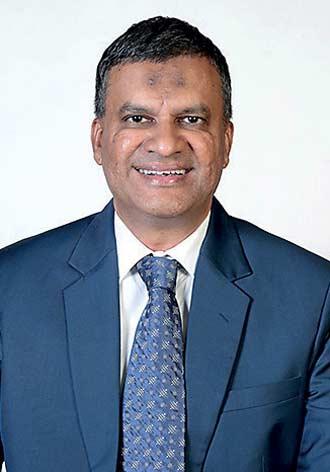
Rizwan Nayeem |
Sri Lanka’s ambition to become a global gem and jewellery hub is being severely hampered by the restrictive policies and bureaucratic red tape, which prevent the industry from meeting the soaring international demand.
According to Ceylon Gem and Jewellery Traders Association (CGJTA) Chairman Rizwan Nayeem, critical barriers, including an inefficient flow of goods and high import taxes on raw materials such as gold, are shackling the nation’s true export potential.
Despite a rich heritage and world-renowned brand recognition for treasures like the Ceylon Sapphire, the industry finds itself in a difficult position.
“We are kind of stuck right now,” Nayeem stated bluntly.
He explained that even after successful global marketing campaigns that attract significant buyer interest, the local industry is unable to deliver.
“You do all that and when the customer from New York or Paris asks for something, if you can’t supply, the whole thing is dead there. Nobody can supply it.”
A core issue, according to Nayeem, is the lack of an “easy flow of goods”. For Sri Lanka to capitalise on its deep reservoir of skills in gem cutting and processing, it must function as a value-addition hub. This requires a seamless process for importing rough gemstones, particularly from the African nations, for processing and subsequent re-export. The current regulations create bottlenecks that stifle this crucial trade.
Compounding this is the heavy tax burden on the essential raw materials. The high taxes imposed on gold imports, a primary component for jewellery manufacturing, drive up production costs significantly. This makes Sri Lankan jewellery less competitive on the global stage and discourages large-scale manufacturing for export.
“When you press all the nuts on tax income ... you make the industry smaller and smaller and your tax income is going to be even smaller,” Nayeem argued.
Advocating for a strategic shift in government policy, he said, “You work in a way you make the economic output as big and large as possible and then the government gets [more revenue].”
A larger, more vibrant industry would not only boost direct tax receipts but also generate significant foreign exchange and create positive ripple effects for adjacent sectors like tourism.
Nayeem emphasised that the industry cannot sustain itself solely on the output from the local mines in areas such as Ratnapura. The future lies in leveraging Sri Lanka’s globally respected knowledge and talent to become a premier trading and processing centre.
Despite these challenges, the CGJTA continues to champion the industry on the world stage. Through heavy marketing for events such as Gem Sri Lanka, the association has successfully drawn thousands of international buyers to the country, many for the first time.
The upcoming Gem Sri Lanka trade show, scheduled for January 7-9, at Shangri-La Colombo, aims to once again connect the country’s finest traders with the world.