Reply To:
Name - Reply Comment
 |
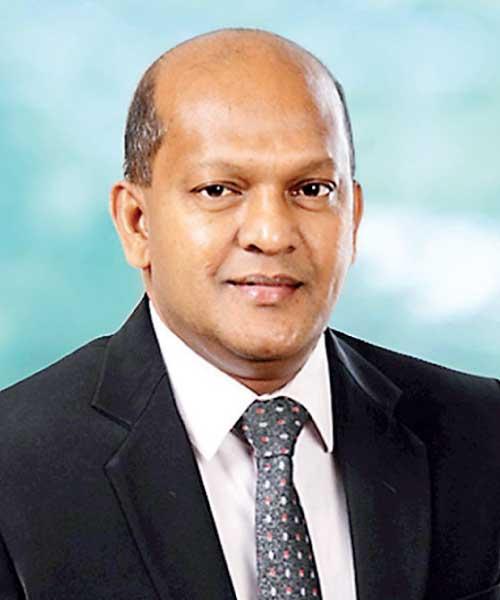 |
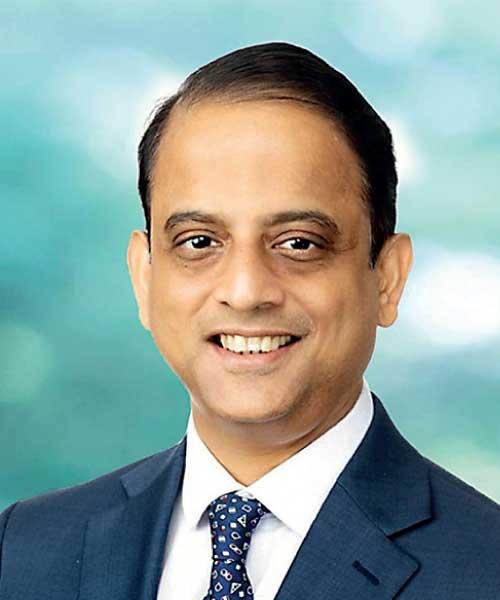
| Chairman Kavinda de Zoysa | GM/CEO Russel Fonseka |
Bank of Ceylon (BOC), being the No. 01 Bank in Sri Lanka and the country’s highest rated banking brand, achieved robust financial results in 2024, demonstrating both resilience and persistence.
BOC recorded significant growth in key financial metrics, including total assets, deposits and profitability. This exceptional performance underscores BOC’s agility and adaptability in the face of volatile market conditions and numerous challenges.
BOC GM/CEO Russel Fonseka emphasised, “Our robust financial results demonstrate our strength and stability in this challenging economic climate. Looking ahead, we are committed to expanding our services, pioneering digital banking solutions and solidifying our leadership position in Sri Lanka’s banking sector.”
Exceptional financial performance
Signifying its agility in adapting to market dynamics, the bank successfully repriced its assets and liabilities, leading to a momentous 84 percent increase in net interest income (NII) to Rs.167.6 billion, compared to Rs.91.2 billion in 2023.
Interest income of the bank experienced a year-on-year (YoY) decline of 12 percent, primarily due to relaxed monetary policy stance, which led to diminished yields on loans and government securities compared to 2023. However, the reduction in interest expenses (32 percent) outpaced the drop in income, resulting a growth in NII. This growth underscores BOC’s improved profitability, despite the challenging economic environment.
Net fee and commission income remained a strong contributor to the improved profitability, reaching Rs.20.6 billion, with a 17 percent YoY increase. This growth was primarily driven by increased card-related transactions, retail banking services and intensifying adoption of digital banking channels by customers reflecting BOC’s seamless digital banking experience.
A net gain of Rs.3.4 billion from trading was recorded for the year, showcasing BOC’s robust trading capabilities in capitalising on market opportunities and generating capital gains whilst LKR appreciation resulted in exchange losses.
Proactive risk management and credit growth
BOC proactively addressed heightened credit risks in specific industries by implementing targeted management overlays, reflecting a cautious approach to credit risk management amidst global and domestic economic uncertainties. This strategy enabled close monitoring, timely mitigation and the allocation of sufficient provisions for potential credit losses.
An impairment charge amounted to Rs.12.4 billion has been recognised for loans and advances, reflecting the challenges faced by the sectors still recovering from economic downturns and global disruptions while a net reversal of Rs.32.8 billion for other financial assets was recorded subsequent to the finalisation of debt restructuring.
The debt restructuring resulted in a day-one loss of Rs.19.6 billion, recorded under interest income and a haircut loss of Rs.4.9 billion, recorded as a derecognition of financial assets. Consequently, the net impact on profit for the year on ISB restructuring was Rs.14.1 billion.
Meantime, the impaired loans (stage three) ratio increased to 7.2 percent, indicating potential external economic pressures. Nonetheless, the impairment coverage ratio (stage three impairment provision to stage three loans) remains strong at 53.6 percent, demonstrating BOC’s prudent risk management.
The bank actively supported business revival efforts by closely collaborating with customers to aid their recovery. These initiatives, coupled with strategic credit decisions, helped to mitigate credit losses and position the bank as a key contributor to Sri Lankan economic recovery.
Operating efficiency and strong profitability
BOC reported a total operating income of Rs.182.0 billion, reflecting a significant growth of 81 percent compared to the previous year. This increase was driven by substantial improvements in NII, net fee and commission income and trading income.
Operating expenses amounted to Rs.67.1 billion, marking a 28 percent YoY increase, which was mainly due to increased personnel costs (35 percent) and other overhead expenses (21 percent). Despite these higher expenses, the bank effectively managed its operating costs, enhancing operational efficiencies during the year as depicted by the improved cost-to-income ratio of 40 percent, compared to the previous year.
The bank’s operating profit before taxes on financial services reached Rs.135.3 billion, a remarkable 155 percent enhancement over the preceding year. After accounting for value added tax and social security contribution levy, the profit before tax (PBT) stood at Rs.106.9 billion, compared to Rs.40.3 billion in 2023, reflecting a 165 percent notable growth. This robust performance in the facet of significant challenges, highlights the bank’s resilience and steadfast commitment to fostering sustainable profitability.
Income tax expenses for the year amounted to Rs.42.5 billion, resulting a profit after tax (PAT) of Rs.64.4 billion. Total taxes for the year amounted to Rs.70.9 billion, consequently resulting an effective tax rate of 52 percent that reflects the bank’s substantial contribution to the national economy as a state-owned institution.
Robust financial position and capital strength
As of December 31, 2024, BOC’s total assets reached to Rs.4,985.1 billion and the group’s total assets reached to Rs.5,048.7 billion, reflecting a notable growth of 13 percent compared to end-2023. This growth, despite the economic challenges, solidifies BOC’s leading position in Sri Lanka’s competitive banking sector. The increase in total assets was primarily driven by significant rises in investment in debt and other instruments and investment in securities purchased under resale agreements. This underscores BOC’s strategic focus on liquidity management and its ability to capitalise on favourable market conditions.
Gross loans and advances amounted to Rs.2,436.2 billion as of December 31, 2024, despite a slight drop of one percent in the loan book, stemming from LKR appreciation of 10 percent and sluggish credit demand.
BOC’s deposit base stood strong at Rs.4,208.6 billion as of December 31, 2024, with a remarkable growth of 8 percent, despite the appreciation of the LKR, showcasing sustained customer confidence and BOC’s strategic focus on deposit mobilisation.
Additionally, BOC raised Rs.15.0 billion in Basel III-compliant Tier II capital via debenture issue during the year to strengthen the capital base of the bank.
BOC demonstrated strong financial performance across key metrics. The return on assets before tax improved to 2.28 percent, from 0.92 percent in 2023 and the return on equity after tax significantly to 23.23 percent, from 10.55 percent in 2023, reflecting enhanced profitability from BOC’s asset base. The interest margin also increased to 3.57 percent, from 2.08 percent in 2023, highlighting effective management of interest-earning assets and liabilities.
BOC maintained robust capital adequacy, with a common equity tier one ratio of 11.97 percent and a total capital ratio of 16.55 percent, both above the Basel III requirements. This underscores, BOC’s strong capital position and its ability to absorb potential risks. Additionally, liquidity coverage ratios for both rupee and all currencies remained well above the regulatory requirements, at 329.00 percent and 269.63 percent, respectively, ensuring BOC’s capacity to meet financial obligations.
Empowerment of SMEs, women and youth for economic prosperity
The BOC Youth Loan scheme, introduced in 2024, has created many success stories in diverse market spaces, fostering the growth prospects for individuals and society at large by enhancing employment opportunities, offering innovative products and services to local and global markets and thus driving economic growth for Sri Lanka. Recently, the bank launched the second phase of the loan scheme providing opportunities for more thriving youth to grip the benefits of this scheme.
The BOC Ranliya Loan scheme was initiated during the year, specifically for women entrepreneurs, offering loans of up to Rs.100 million, with concessionary rates of interest, grace periods and flexible repayment terms. Moreover, BOC has introduced several loans schemes for MSME and rural development, covering lifeline industries for a sustainable growth.
While nurturing financial inclusion among unreached communities of the nation, BOC supported with the digital inclusion for the Aswasuma Welfare Beneficiary Programme this year also, to assist the vulnerable social groups in their financial difficulties.
Further, BOC and Sri Lanka Post have entered into a groundbreaking partnership to reshape the accessibility of banking services across Sri Lanka by combining the banking expertise of BOC with Sri Lanka Post’s extensive network to bring essential financial services to the nation’s most underserved communities.
BOC Chairman Kavinda de Zoysa stated, “Together, we will uphold the bank’s legacy, reinforcing its position as the largest financial institution in Sri Lanka, fulfilling our responsibility as Bankers to the Nation through sustainable growth, prudent risk management and strengthened governance.”