Reply To:
Name - Reply Comment
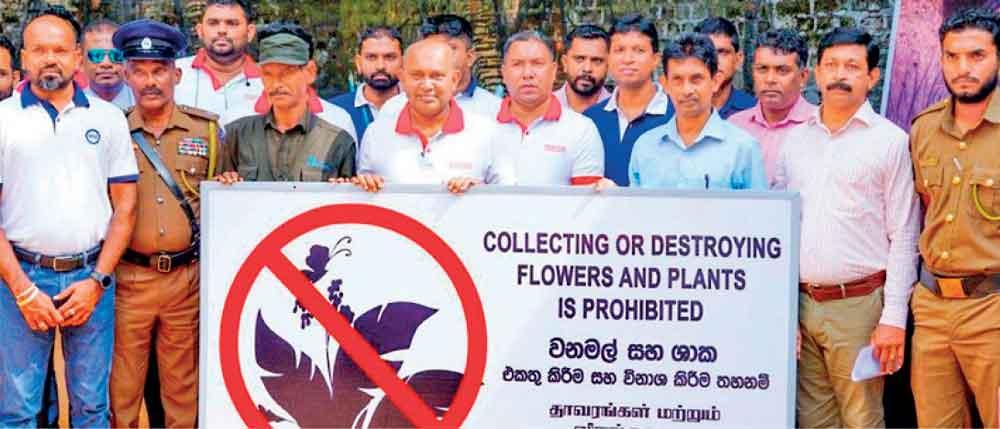
Mahesh de Silva, COO, Assetline Finance Limited officially handing over the hoardings to the Department of Wildlife Conservation
Assetline Finance Limited (AFL) has taken another step in its commitment to environmental sustainability and social welfare with a new initiative at Kaudulla National Park, contributing to biodiversity conservation and climate resilience while supporting the efforts of the Department of Wildlife Conservation.
The project involved the installation of hoardings of various sizes, featuring vital messages on environmental conservation to educate visitors about the importance of preserving wildlife and local flora and fauna.
AFL also donated high-quality jackets to park officers, equipping them to perform their duties effectively in various weather conditions. These efforts aim to enhance on-the-ground conservation and strengthen the protection of natural ecosystems.
During a ceremony held at the park entrance, the hoardings and jackets were officially handed over to Kaudulla National Park Warden Piyal Kumara by AFL’s Chief Operating Officer, Mahesh De Silva.
Speaking at the event, De Silva reaffirmed AFL’s dedication to sustainability and emphasized the importance of collaborative efforts in preserving the environment for future generations.
The project aligns with AFL’s Environmental, Social, and Governance (ESG) strategy, prioritizing sustainable ecosystem management, climate resilience, and community involvement.
The jackets provided to park officers enhance their ability to patrol effectively, protecting wildlife from threats such as poaching and illegal logging. This ensures the long-term health of the park’s ecosystems while supporting biodiversity.
The educational hoardings are a key component of the project, raising awareness among visitors and encouraging responsible tourism. By educating the public about conservation, AFL fosters community involvement in sustainable practices.
Additionally, the project contributes to global climate action by safeguarding ecosystems that act as carbon sinks, regulate water sources, and maintain biodiversity. It directly supports the United Nations Sustainable Development Goals, particularly SDG 13 (Climate Action) and SDG 15 (Life on Land).