Reply To:
Name - Reply Comment
Colombo, July 14 (Daily Mirror) - Freedom of speech is one of the pillars of a democratic society. It gives every individual the right to express opinions, exchange ideas, criticise policies, and participate in public discussions without fear. This freedom has helped societies fight injustice, promote innovation, and protect human rights. However, like every fundamental right, freedom of speech must be exercised with responsibility. When misused, it can cause serious harm to individuals and society.
The proper use of freedom of speech encourages healthy debate, constructive criticism, and peaceful expression of ideas. It allows journalists to report the truth, citizens to question those in power, and activists to advocate for positive social change. Respectful dialogue, even when opinions differ, strengthens democracy and promotes mutual understanding.
In recent years, however, the abuse of freedom of speech has become a growing concern, particularly on social media. False news, misleading information, edited videos, and fake images can spread rapidly, influencing public opinion and creating confusion. Rumours shared without verification have led to panic, damaged reputations, and even incited violence in some cases. Hate speech, online harassment, and personal attacks have also become increasingly common, undermining the purpose of free expression.
The challenge today is not only to protect freedom of speech but also to prevent its misuse. Governments, technology companies, educational institutions, and citizens all have a role to play. Laws should be enforced against those who deliberately spread harmful misinformation or incite violence, while still protecting legitimate criticism and free debate.
How can false news on social media be tackled?
Verify before sharing: Check whether the information comes from reliable news organisations or official sources.
Use fact-checking websites: Confirm doubtful claims through trusted fact-checking platforms before forwarding them.
Think critically: Do not believe sensational headlines or emotional messages without evidence.
Report false content: Most social media platforms allow users to report fake or misleading posts.
Promote digital literacy: Schools and communities should educate people on identifying misinformation and responsible online behaviour.
Freedom of speech is not the freedom to spread lies or hatred. It is the freedom to express ideas responsibly while respecting the rights and dignity of others. In the digital age, every social media user is also a publisher with the power to influence others. By speaking responsibly, verifying facts, and respecting different viewpoints, we can preserve this valuable right while preventing its abuse. A well-informed society that values truth and respectful dialogue is the foundation of a strong and healthy democracy.
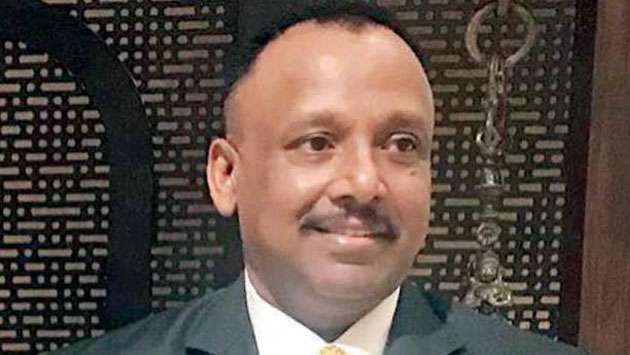
(The writer is a former Diplomat Ambassador Kana Kananathan, a businessman, and lobbyist with over four decades of experience on the African continent. A long-time resident of Africa, he served as Sri Lanka’s envoy to Kenya, with concurrent accreditation to 22 African nations, and was the permanent representative to UN Habitat and UN Environmental Programme. Over the years, he has been the Elections Monitor across the continent, working closely with African governments, and has built enduring partnerships with African leaders. He also served as Economic and Investment Advisor to former President Professor Alpha Condé of the Republic of Guinea)