Reply To:
Name - Reply Comment
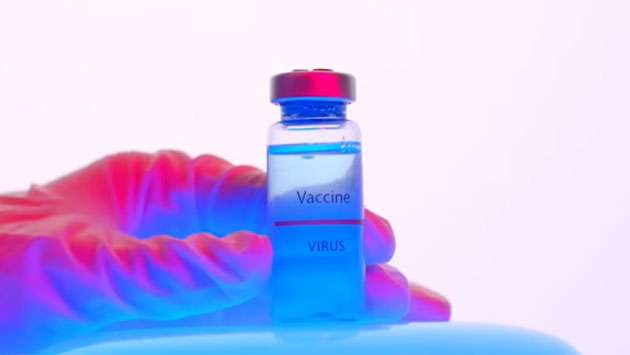
Diya TV — Scientists at Stanford University say they are developing a single nasal spray vaccine that could protect against coughs, colds, flu, and even dangerous bacterial lung infections. Early research in animals suggests the spray may also reduce allergic reactions, including asthma triggered by dust mites.
The research, published in the journal Science, marks a dramatic shift in how vaccines work. Instead of training the immune system to fight one specific virus, the new approach boosts the body’s frontline defenses in the lungs. Experts say the findings are exciting but stress that human clinical trials are still needed.
For more than 200 years, vaccines have followed the same principle. They train the immune system to recognize and attack a single virus or bacterium. A measles vaccine protects against measles. A flu shot targets specific strains of influenza. This model dates back to Edward Jenner, who pioneered vaccination in the late 18th century. The new nasal spray takes a different path. It does not target one infection. Instead, it prepares immune cells in the lungs to stay on alert for many threats at once.
Researchers say the spray leaves key white blood cells, called macrophages, in a heightened state of readiness. These cells act as the body’s first responders. When viruses or bacteria enter the lungs, macrophages attack quickly. In animal tests, this “amber alert” state lasted about three months.
The Stanford team tested the vaccine in mice. They found a dramatic drop in viral infections. The spray reduced the number of viruses entering the body by 100- to 1,000-fold. Even when some viruses slipped through, the immune system responded faster and more strongly. The researchers also tested the spray against two serious bacteria: Staphylococcus aureus and Acinetobacter baumannii. Both can cause severe lung infections, especially in hospitals. The vaccine protected both species in animal models.
Prof. Bali Pulendran, a microbiology and immunology expert at Stanford, called the strategy a “radical departure” from traditional vaccine design. He said the nasal spray triggered broad protection against many viruses and bacteria tested in the lab. The team also found another benefit. The spray appeared to reduce the immune response to house dust mite allergens. These allergens often trigger allergic asthma. That finding raises hope that the vaccine could help people with respiratory allergies.
Independent experts welcomed the study. Prof. Daniela Ferreira, a vaccinology specialist at the University of Oxford, described the research as “really exciting.” She said it could change how doctors protect people from common respiratory infections if human trials confirm the results. Ferreira noted that the study clearly explained how the new vaccine works. That clarity strengthens confidence in the science. Still, researchers face major questions.
The tests so far involved only animals. Human immune systems differ from those of mice. People also carry immune memories shaped by decades of infections. Scientists do not yet know whether the spray will create the same broad protection in adults. Researchers also do not know how long the immune system can safely stay on high alert.
Jonathan Ball, a virology professor at the Liverpool School of Tropical Medicine, praised the work but urged caution. He warned that an overactive immune system could trigger harmful side effects. Doctors must ensure that boosting immune defenses does not cause “friendly fire,” where the immune system attacks healthy tissue.
The Stanford team plans to move into human trials. In early-stage studies, researchers may vaccinate volunteers and then expose them to mild infections under controlled conditions. These tests will measure how well the body responds. Scientists may need to deliver the vaccine through a nebulizer instead of a simple nasal spray to reach deep lung tissue in humans.
Researchers do not expect the universal vaccine to replace traditional shots. Instead, they see it as a powerful complement. In the early days of a pandemic, such as in 2020 during COVID-19, a universal nasal spray could offer temporary broad protection. That could reduce deaths and severe disease while scientists develop a targeted vaccine.
The spray could also help during winter, when multiple respiratory viruses spread at once. A seasonal dose might boost lung immunity against a range of coughs, colds, and flu viruses. If human trials succeed, this universal nasal spray vaccine could reshape how doctors prevent respiratory infections. For now, scientists remain hopeful but cautious as they take the next critical steps.