 CHATURANGA PRADEEP SAMARAWICKRAMA
 Reply To:
Name - Reply Comment
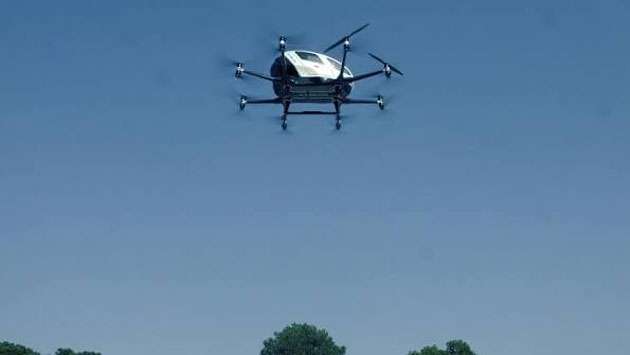
Colombo, July 15 (Daily Mirror) - The Civil Aviation Authority of Sri Lanka (CAASL) is preparing to launch a pilot project to introduce passenger-carrying drones, marking what is expected to be the first initiative of its kind in South Asia as the country moves towards adopting advanced air mobility (AAM) solutions.
CAASL Director General Daminda Rambukwella told the Daily Mirror that the authority has completed the first and second phases of the project and is now making final preparations to launch the pilot programme, with implementation expected before the end of the year.
He said a team of international experts is scheduled to arrive in Sri Lanka later this month to hold discussions on the project's implementation, taking into account the country's unique geographical features and transport requirements.
According to the Director General, Sri Lanka has already completed the necessary regulatory processes required under United States certification standards for the selected aircraft, while local regulations governing Advanced Air Mobility systems are currently being finalized. He added that the Civil Aviation Master Plan, which includes the Advanced Air Mobility initiative, has already received Cabinet approval.
"The pilot project will initially evaluate the operational, regulatory and safety aspects of passenger drone services to ensure they comply with international aviation standards before any large-scale deployment. The authority expects to implement the project through a combination of joint ventures, Board of Investment (BOI) projects and Public-Private Partnerships (PPPs), allowing private sector entrepreneurs to participate in developing the new mode of transport," Rambukwella said.
He said the project will introduce manned electric aerial vehicles capable of carrying up to six passengers. These differ from conventional Unmanned Aircraft Systems (UAS), as they are specifically designed to transport people.
He said that passenger drone technology is already being introduced in countries including China, Singapore and Thailand, and Sri Lanka intends to evaluate the technology through the pilot programme before expanding its use.
The drones are expected to serve multiple purposes, including passenger transportation, cargo and equipment delivery, emergency medical transport and access to remote areas that are difficult to reach by conventional vehicles.
The authority also sees significant tourism potential for the technology, with possible applications including scenic flights over the hill country, coastal areas and whale-watching destinations.
Rambukwella said the electric drones are expected to offer a relatively low-cost transportation option while creating new economic opportunities in the aviation and tourism sectors. The aircraft will operate at altitudes of approximately 400 to 500 feet and will be equipped with real-time tracking and monitoring systems to ensure operational safety.
Discussions are currently underway with the Ministry of Defence to establish the necessary operational framework, particularly regarding airspace management and security requirements.
The first passenger-carrying drones are expected to be imported from Thailand under the EHang brand, in accordance with the guidelines of the International Civil Aviation Organization (ICAO) and relevant government regulations.
Rambukwella said the cost of a passenger drone is expected to be lower than that of some premium electric cars, adding that the technology has the potential to transform Sri Lanka's transportation sector by providing an affordable, environmentally friendly and innovative mode of travel.