Reply To:
Name - Reply Comment
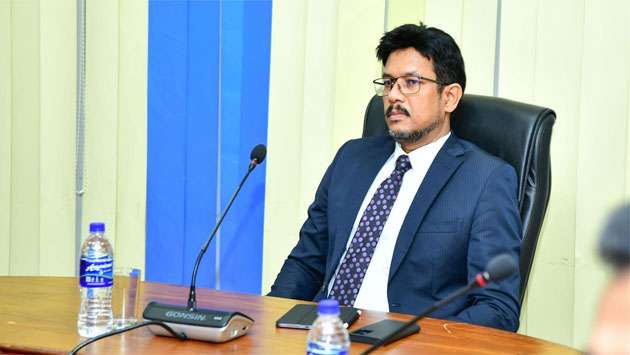
Colombo, Feb. 25 (Daily Mirror) - Sri Lanka currently earns 1.6 billion US dollars in foreign exchange from the digital industry, and plans are underway to increase that amount to 5 billion dollars by 2030, Deputy Minister of Digital Economy Eranga Weeraratne said.
Speaking at a media briefing today (25), the Deputy Minister said Sri Lanka’s digital transformation is not only about using new technology, but about building a complete digital system that is closely connected to people’s daily lives and the national economy.
He said the government aims to grow the digital economy to 30 billion dollars by 2030, which would account for 12 to 14 percent of the country’s Gross Domestic Product (GDP).
The Deputy Minister explained that strengthening the digital economy would help move transactions now done with cash to digital platforms. This would improve efficiency across the country. In the future, the public will be able to carry out transactions with both government and private institutions through digital systems.
He also said that the government’s main project, the Sri Lanka Unique Digital Identity system, is expected to be launched in the third or fourth quarter of this year. The system will help speed up public services by reducing delays in processing documents.
Institutional systems such as “GovTech” will also be introduced to improve data sharing among government institutions.
The Deputy Minister said the “GovPay” system for paying traffic fines is already being used successfully. By 2026, the government plans to expand facilities so that all government payments can be made using QR codes and other digital methods. One main goal is to bring informal financial activities in rural areas into the formal digital system.
He further said the “CROPIX” system, introduced under the digital transformation of agriculture, will help farmers get important data, forecast harvests and connect directly with markets without middlemen.
Discussions are also taking place with international institutions, including the Indian Institute of Technology Madras, to introduce new technologies such as Artificial Intelligence (AI) and 6G to Sri Lanka.
The Deputy Minister said outdated laws that slow down digital progress need to be updated. A new Cyber Security Bill is expected to help protect the country’s digital space.
He added that the government is taking steps to retain skilled professionals in Sri Lanka while also improving digital knowledge among the public.