Reply To:
Name - Reply Comment
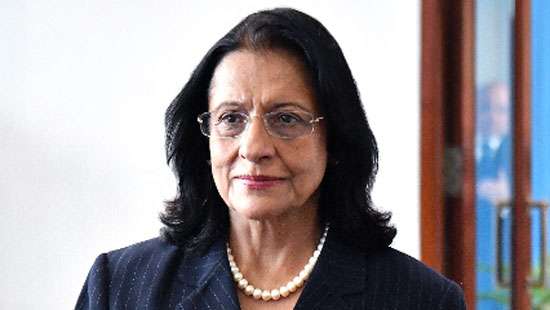
South-East Asia (WHO) - South-East Asia ranks second highest globally for intimate partner violence, affecting approximately 33% of women in the region said Dr. Poonam Khetrapal Singh, WHO Regional Director for South-East Asia.
She underscores the urgent need for collective action to address this alarming trend during the 16 Days of Activism against Gender-Based Violence.
Recent WHO estimates reveal a distressing reality: nearly 1 in 3 women globally experiences physical and/or sexual violence in her lifetime. The South-East Asia Region, ranking second highest at around 33%, faces a significant challenge in combating intimate partner violence.
The health impacts of violence against women, particularly intimate partner violence, are severe, encompassing immediate injuries and long-term physical, mental, sexual, and reproductive health problems. These include sexually transmitted infections, HIV, unplanned pregnancies, and mental health issues, categorizing violence against women as a pressing public health concern and a violation of human rights.
Addressing the root cause, Dr. Khetrapal Singh emphasizes that violence against women is preventable and deeply rooted in gender inequality and harmful norms. The health sector plays a crucial role in a multi-sectoral strategy to prevent and respond to violence against women.
The health sector's responsibilities include strengthening the capacity of health systems and providers, ensuring the continuity and adequate resourcing of services for survivors, and actively participating in preventing violence against women alongside other sectors and stakeholders.
Health care providers, as the first point of professional contact for many women, have a vital role in offering medical treatment, first-line support, and connecting survivors to necessary support services. The health sector also advocates for evidence-informed policies and strategies for gender-based violence prevention and response, emphasizing the importance of ethical and survivor-centered data collection.
Dr. Khetrapal Singh highlights WHO's commitment to addressing violence against women by building evidence, developing guidelines, encouraging political will, and strengthening the capacity of health systems and providers. WHO, in collaboration with UN Women and other partners, has developed the RESPECT Women framework, outlining seven prevention strategies to reduce risk factors and increase protective factors for violence against women and girls.
As part of the annual 16 Days of Activism campaign, WHO's South-East Asia Regional Office is actively engaging in activities, including partnering with UNFPA to conduct a webinar on integrating violence against women and girls into pre- and in-service training curricula for health professionals.
November 25, the International Day for the Elimination of Violence against Women, marks the beginning of the 16 Days of Activism against Gender-Based Violence, reinforcing the message that women's rights are human rights. Dr. Khetrapal Singh calls for a redoubling of efforts to prevent and respond to violence against women, emphasizing the collective responsibility to ensure the safety of women and girls worldwide.