 CHATURANGA PRADEEP SAMARAWICKRAMA
Reply To:
Name - Reply Comment
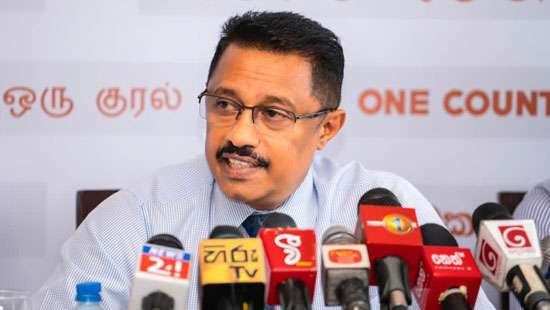
The Public Utilities Commission of Sri Lanka (PUCSL) Chairman Janaka Ratnayake said that the Power and Energy Ministry has proposed to remove the lubricant levy from the PUCSL without providing a proper justification but to paralyse the independence of the Commission.
He said the PUCSL has been regulating the lubricant market for 17 years since 2006.
“As the PUCSL is funded through a levy to regulate the lubricant market and when the levy is removed, it could lead to the regulator is unable to fulfill its functions effectively and to be dependent on the state funds and political influence. Without the independent fund, the regulator may not be able to carry out its mandate of ensuring sustainable lubricant industry. This could result in several setbacks, including domination of substandard and unauthorized lubricant products (Gray Market) in the market, leading to vehicle and manufacturing equipment failures, accidents, and other negative outcome,” the chairman said.
Adulteration of lubricant has become a major concern of the lubricant market and PUCSL have made impressive progress in eradicating such substandard and unauthorized lubricant products paving the pathway for uplifted qualified lubricant products which will ultimately benefit the consumers, Rathnayake said.
“The Lubricant Market volume of Sri Lanka is approximately 70,000 kl. (53kl in 2022). There are 26 licensed players in the market with four blenders and 22 finished product importers. The recent invitation for Request for Proposal will allow expansion of the market to additional players,” he said.
Increasing gray market and the increased duty difference between blenders and the importers making negative impact at importers to compete with blenders are the majour issues that the lubricant market of Sri Lanka face. It is estimated that 30% of the market is content with is adulterated and unauthorized lubricants and 40% to 45% of grease market is estimated to be covered by adulterated greases. Total gray volume of the market is estimated around 28,000kL and increasing year on year exponentially.
“So, by removing the levy from the regulator in the lubricant market could face serious negative consequences, potentially putting the safety and well-being of consumers at risk. It is important to ensure that regulators have the necessary funding and resources to carry out their functions effectively and to ensure that products are safe and reliable.” Mr. Ratnayake further said.
“Paralyzing independent regulatory body like PUCSL for mere political gains would create a severe damage not only for the current market but also for the future market and will give a wrong message to the international community on cutting the wings of an independent utility. Hence, I condemn this move.” Ratnayake stressed.