 CHATURANGA PRADEEP SAMARAWICKRAMA
Reply To:
Name - Reply Comment
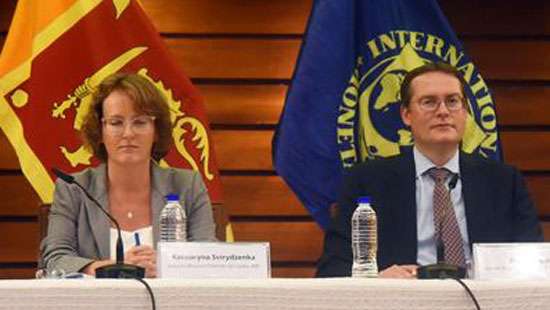
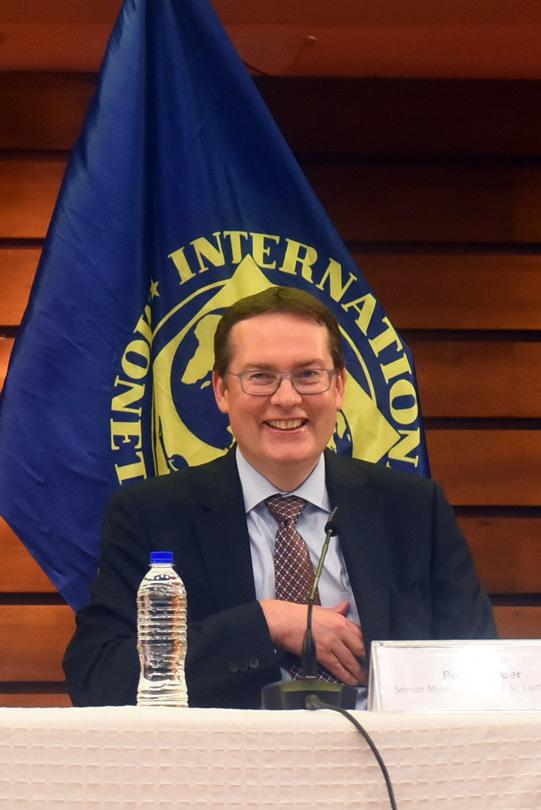
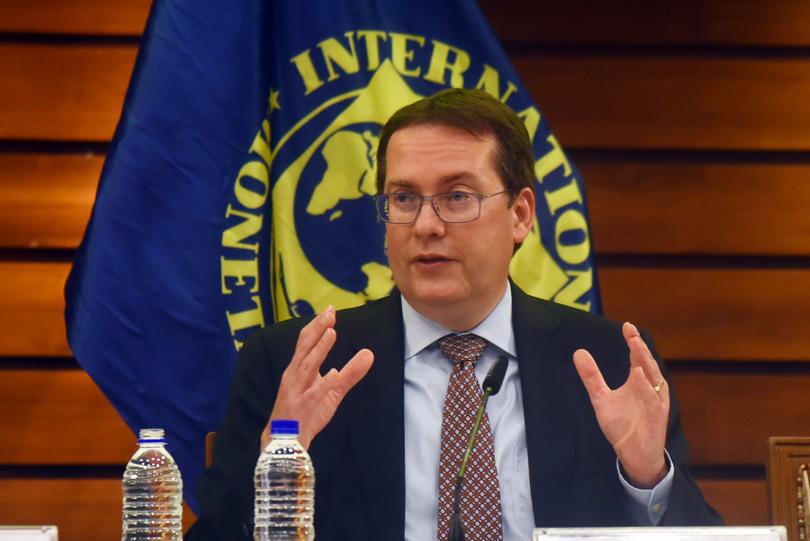
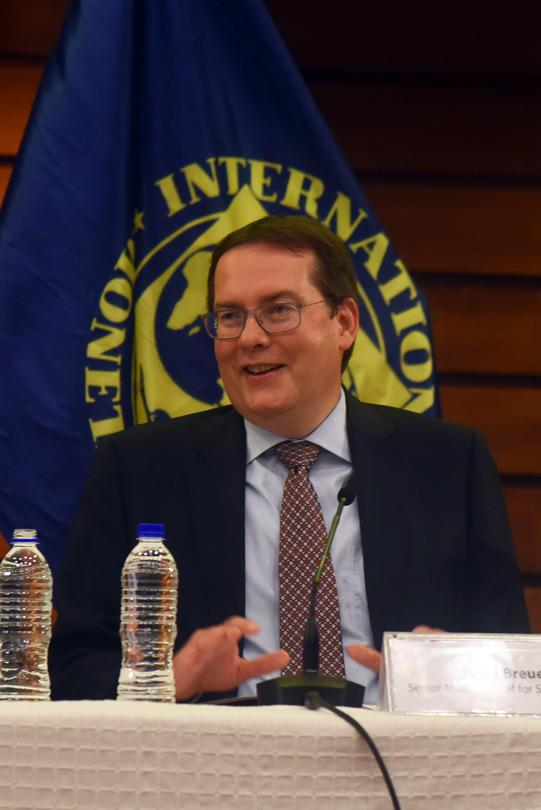
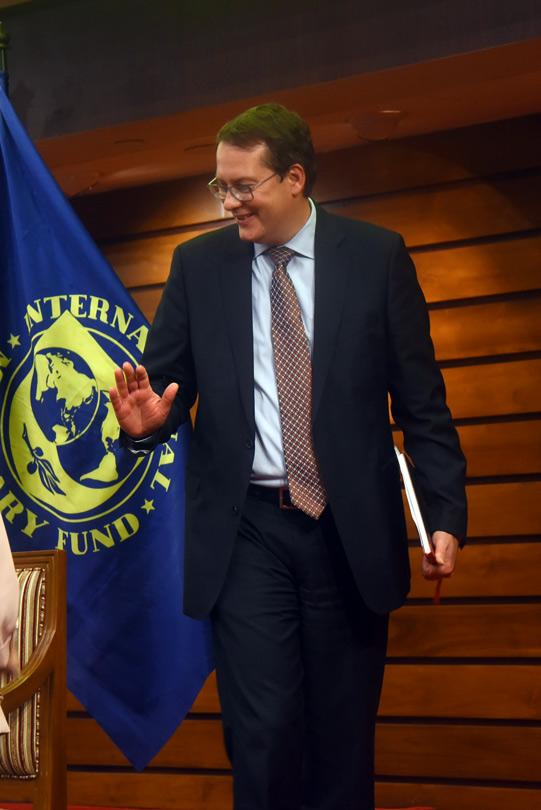
As Sri Lanka is yet to meet two key targets under the International Monetary Fund’s (IMF) programme, there is no “fixed timeline” for the disbursement of the second tranche of the US$ 3 billion Extended Fund Facility (EFF), said IMF Mission Senior Chief for Sri Lanka, Peter Breuer.
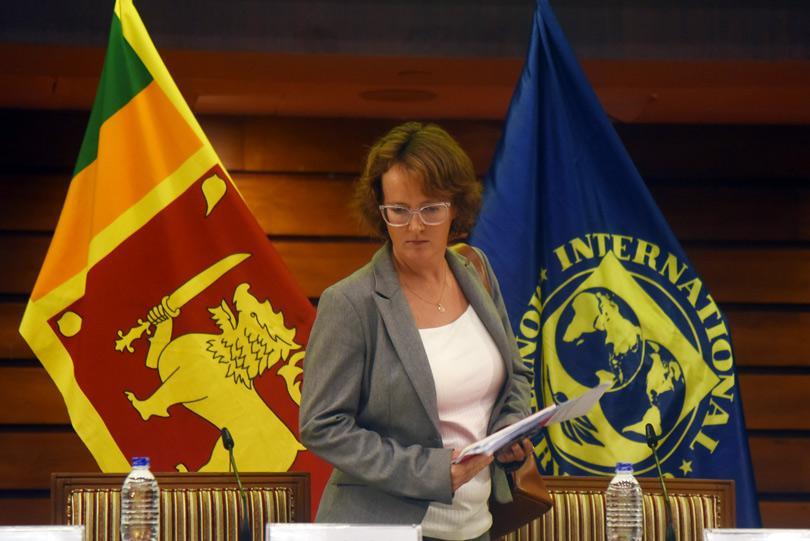
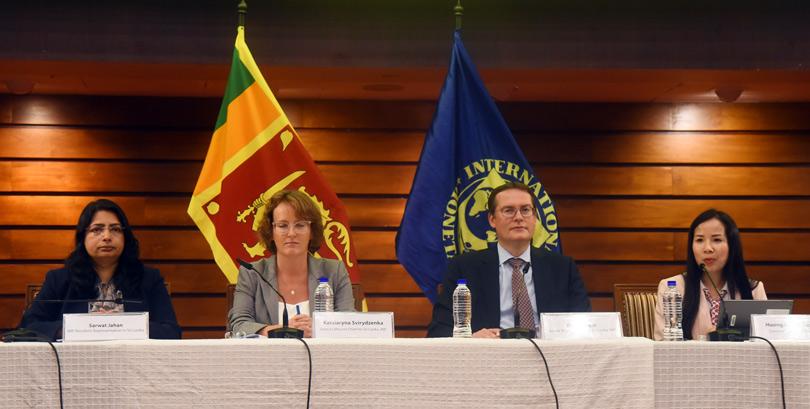
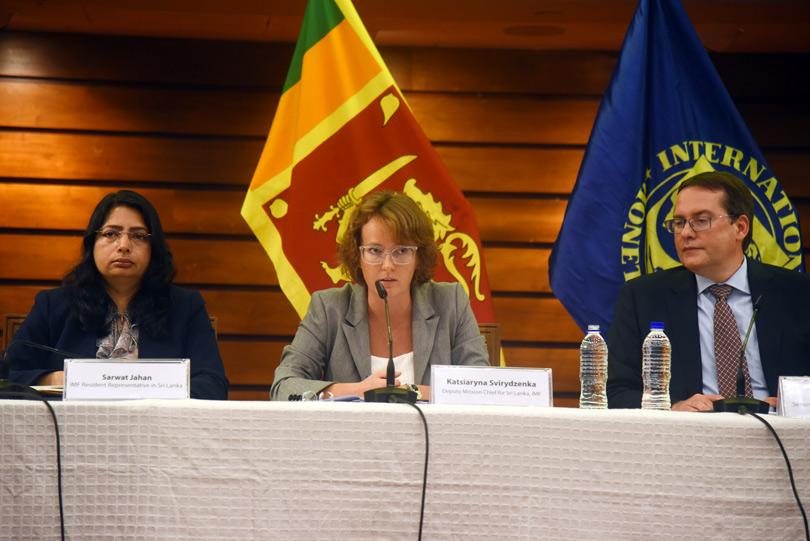
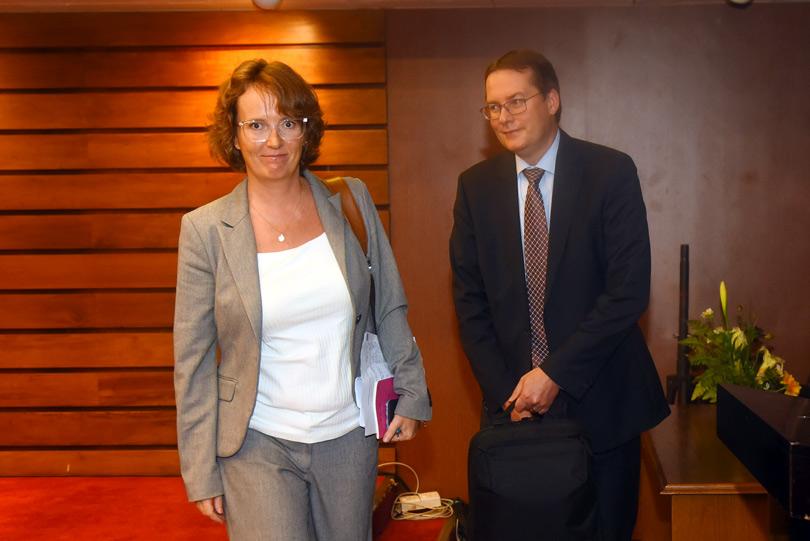
An IMF team, led by Breuer and Deputy Mission Chief Katsiaryna Svirydzenka, spent two weeks in Sri Lanka for the first review of the EFF. A press conference was held in Colombo, yesterday, to mark the conclusion of the staff visit.
While acknowledging that Sri Lanka has made commendable progress in implementing difficult but much-needed reforms, Breuer said in order for the IMF programme to advance to the next stage, which includes completing the first review and releasing the second installment, which will be about US$ 330 million, two crucial components must be in place.
The first is reaching an agreement with the authorities on a set of policies that can be implemented to meet the programme's objectives, leading to the formation of a staff-level agreement for the initial review.
He expressed confidence that with some additional time for ongoing discussions, these objectives can be achieved.
The second essential component involves finalizing discussions regarding the country's debt situation, and according to Breuer, what is required is a well-defined strategy to restore debt sustainability.
He noted for the IMF Executive Board to proceed, it must be confident that a plan is in place to achieve debt sustainability and that the negotiations will lead to debt treatment that aligns with the initial debt targets set when the programme began in March.
IMF estimates suggest that Sri Lanka is likely to fall behind in achieving the revenue targets outlined in the programme by 15 percent by the end of this year. According to the programme targets, Sri Lanka needs to raise government revenue equivalent to 12 percent of GDP by 2024.
Breuer said their discussions with Sri Lankan authorities mainly centred around revenue mobilization and remarked that a lot more can be done continuing on the reform path and bolstering the country’s tax administration.
We are really looking forward to the benefits of the tax reforms that were introduced last year to bear fruit. They should be supplemented by other appropriate revenue enhancing measures to make sure that Sri Lanka avoids a revenue shortfall next year.
At the same time, Sri Lanka is yet to strike a debt treatment deal with its foreign creditors. While the country’s foreign creditors remain diverse, the government remains confident of reaching a deal on the back of the recently concluded Domestic Debt Optimization.
China remains Sri Lanka’s biggest external creditor, while Sri Lanka owes money to Paris Club nations and India. In addition, Sri Lanka owes money to private creditors who have invested in the country’s sovereign bonds.
Meanwhile, Breuer said Sri Lanka’s economy is showing “tentative signs of stabilization,’ citing sharp deceleration in inflation within a span of a year and the accumulation of foreign reserves.
However, he noted that despite early signs of stabilization, full economic recovery is not yet assured and high-frequency economic indicators continuing to provide mixed signals.
“Sustaining the reform momentum is critical to put the economy on a path towards lasting recovery and stable and inclusive economic growth,” he stressed. (Indika Sakalasooriya)
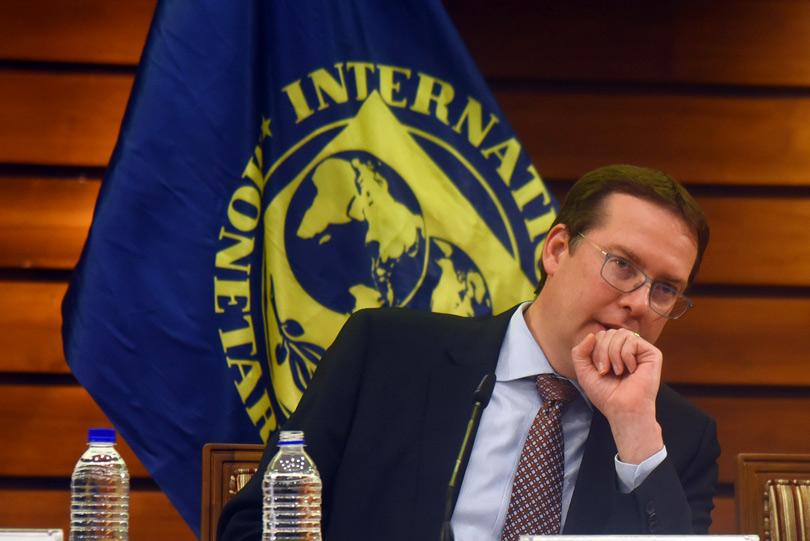
Pix by Pradeep Pathirana