Reply To:
Name - Reply Comment
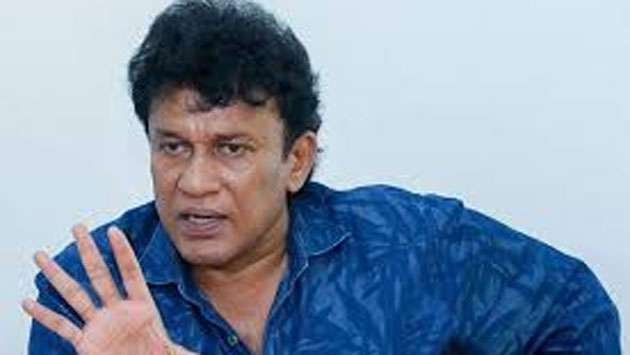
Colombo, Jan. 29 (Daily Mirror) - Tamil Progressive Alliance (TPA) Leader and MP Mano Ganesan said the Ditwah disaster has once again highlighted Sri Lanka’s vulnerability to climate-related crises and the long-standing marginalisation of the Malaiyaha Tamil community in disaster relief, resettlement, and protection.
He made these remarks following a meeting with UN Resident Coordinator in Sri Lanka Marc-André Franche at the United Nations office in Colombo, where the situation facing affected plantation communities was formally discussed.
MP Ganesan said that while official figures report 643 deaths and 183 missing persons nationwide, plantation communities account for a disproportionately high number of casualties despite representing a small share of the affected population. He said many displaced families continue to live in schools and temporary shelters, while some are being compelled to return to identified disaster-prone areas.
“This is not accidental. It is the result of decades of structural neglect and unequal treatment. It reflects an apathetic and discriminatory approach by the State toward the Malaiyaha Tamil community,” he said.
The TPA Leader stressed that legal provisions already exist to address the issue, pointing out that Emergency Regulations allow the State to requisition land for emergency relocation, while plantation lands fall under State ownership through the Crown Lands Ordinance. He added that permanent solutions could later be implemented under the Land Acquisition Act.
“Excuses continue, often hiding behind plantation companies who are only lessees. The law is clear. What is missing is political will,” MP Ganesan said.
While welcoming the President’s Rs. 5 million per housing unit programme, he warned that the continued exclusion of plantation families risks creating a two-tier system of citizenship. He outlined three key demands: the inclusion of all Ditwaha-displaced Malaiyaha families in the national housing scheme; the rejection of multi-storey housing for estate communities due to their cultural and civilisational ties to land; and the separation of the Indian housing project from the State’s responsibility to its own disaster-affected citizens.
MP Ganesan also criticised what he described as contradictions in governance, stating that a government which opposed the Prevention of Terrorism Act (PTA) is now seeking to introduce what he termed a more draconian Public Security framework. He said existing laws are sufficient to ensure public safety.
He further noted that key commitments made to Northern Tamil communities—such as land release, the release of political prisoners, devolution of power, and the effective functioning of the Office on Missing Persons—remain unfulfilled.
“In this bleak landscape, TPA is the only political force that has delivered structural change for our people through villages, housing, charters, and administrative reforms, not merely slogans,” he said, adding that the issue has been raised with India, the United States, France, and the United Nations.
“This is no longer only a relief issue. It is about equal citizenship, equal protection, and equal dignity. Ditwaha must become a turning point, not another chapter of being sent back to danger and forgotten,” MP Ganesan emphasised.
The meeting was also attended by Barath Arullsamy, Vice President of the Democratic People’s Front–Tamil Progressive Alliance.

 0
0