Reply To:
Name - Reply Comment
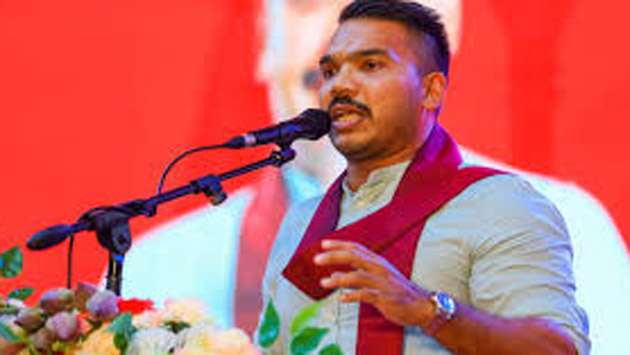
Colombo, June 28 (Daily Mirror) - SLPP National Organizer and Parliamentarian Namal Rajapaksa questioned the government’s response to the worsening dengue situation, stating that the clean-up campaign carried out around the Presidential Secretariat highlighted the authorities’ delayed response to a crisis that has already reached epidemic proportions.
Referring to the government’s dengue prevention programme conducted around the Presidential Secretariat, Beira Lake and the Temple Trees vicinity, Rajapaksa said the initiative raised a more fundamental question about the state of public health across the country.
“Health authorities have now confirmed that Sri Lanka’s dengue outbreak has reached epidemic levels, with more than 50,000 cases reported this year. Yet only now do we see a high-profile clean-up campaign around the Presidential Secretariat,” he said.
“If the Presidential Secretariat itself needed a dengue clean-up, what does that say about the condition of the rest of the country?” he asked.
Rajapaksa said that while every effort to prevent dengue should be welcomed, the government should have acted proactively before the situation escalated into an epidemic.
He stressed that dengue prevention could not be limited to symbolic campaigns around key government institutions and called for a sustained nationwide programme covering every district, local authority and community.
Rajapaksa also urged the Minister of Health, who also serves as the Media Minister, to focus on addressing the country’s healthcare challenges rather than engaging in media propaganda.
“At a time when Sri Lanka is facing a dengue epidemic, the Minister should listen to healthcare professionals, address their grievances, expedite the long-overdue cadre revision, and recruit the workforce needed to fill critical shortages across the health sector. The people’s health must come before politics,” he said.
“The Government must move beyond publicity exercises and implement a comprehensive national dengue prevention strategy. Sri Lankans deserve proactive leadership, not reactive measures after an epidemic has already taken hold,” Rajapaksa added.