 CHATURANGA PRADEEP SAMARAWICKRAMA
 Reply To:
Name - Reply Comment
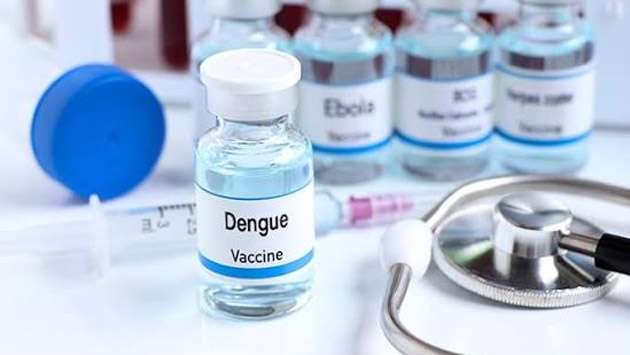
Colombo, July 6 (Daily Mirror) - The government is considering introducing a dengue vaccine and adopting the Wolbachia mosquito control method as part of efforts to address the growing dengue threat in Sri Lanka, Minister of Health and Mass Media Dr. Nalinda Jayatissa said today (6).
Speaking at a dengue awareness programme organised by the Health and Mass Media Ministry the Minister said the government was exploring internationally recognised and scientifically proven methods to strengthen dengue prevention.
Dr. Jayatissa said discussions were underway to introduce World Health Organization (WHO)-approved dengue vaccines that are currently being used in around 41 countries. He added that plans were also being considered to implement the Wolbachia method, a biological mosquito control technique that has shown success in several countries.
He said that 52.5 per cent of all dengue cases reported in Sri Lanka this year have been recorded in the Western Province, with Colombo and Gampaha districts each accounting for around 20 per cent of cases.
The Minister said a special dengue control programme was launched yesterday (5) targeting 23 high-risk Medical Officer of Health (MOH) divisions in the Western Province.
While stressing that eliminating mosquito breeding sites remains the most effective long-term solution to controlling dengue, Dr. Jayatissa said the government was also looking at modern methods to support existing prevention efforts.
He said dengue had become more than just a public health issue and had developed into a major social challenge. Recalling Sri Lanka's worst dengue outbreak in 2017, he noted that the country recorded more than 187,000 cases and 447 deaths that year.
The Minister also pointed out that changing weather patterns and climate conditions had created favourable environments for dengue mosquito breeding both in Sri Lanka and globally.
He said improvements in clinical management and treatment had helped reduce Sri Lanka's dengue fatality rate from around one per cent in 2009 to between 0.05 and 0.06 per cent at present.
Dr. Jayatissa further announced plans to expand hospital treatment facilities, including setting up dedicated dengue wards and establishing High Dependency Units (HDUs) to provide specialised care for severe cases. Additional specialist doctors, medical officers, nurses and support staff will also be deployed.
Meanwhile, Acting Director of the National Dengue Control Unit, Dr. Kapila Kannangara, said that 61,060 dengue cases and 39 deaths have been reported so far in 2026, including five deaths of children under the age of five. He noted that the mortality rate among women was comparatively higher.
Speaking at the event, Secretary to the Ministry of Health and Mass Media, Specialist Dr. Anil Jasinghe, said dengue had become an endemic disease in Sri Lanka and stressed that prevention measures should become part of people's daily routines rather than being limited to occasional campaigns.