Reply To:
Name - Reply Comment
By Charithya Kumarasiri
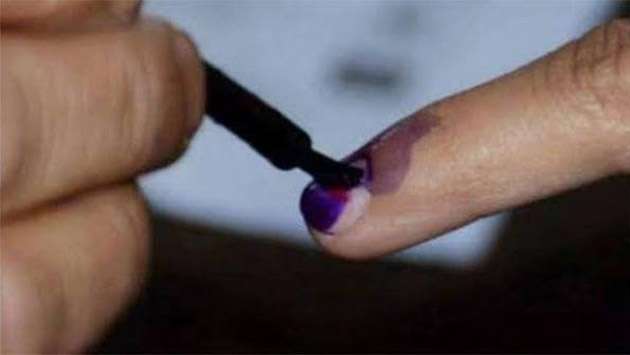
Colombo, July 8 (Daily Mirror) - Discontinuing the use of indelible ink at elections could save nearly Rs. 100 million per election without compromising the integrity of the voting process, Executive Director of the People's Action for Free and Fair Elections (PAFFREL), Rohana Hettiarachchi, said.
Speaking on the matter, Hettiarachchi said the cost of purchasing and importing indelible ink amounts to around Rs. 30 million for each election. In addition, an official must be deployed at every polling station solely to apply the ink before voters cast their ballot. He said with approximately 14,000 polling stations across the country and each official receiving around Rs. 4,000 for election day duty, the cost of deploying officers for the task alone amounts to around Rs. 56 million. Additional expenditure is also incurred in transporting and distributing the ink to polling stations island wide.
"Altogether, the use of indelible ink costs around Rs. 100 million per election. Considering that Sri Lanka typically holds four elections within a five-year period, the savings would be substantial if the practice is discontinued," he said.
Hettiarachchi stressed that while elections are inherently expensive and necessary expenditure should not be compromised, the continued use of indelible ink is no longer justified given the safeguards currently in place to prevent electoral fraud.
"The purpose of indelible ink was to prevent impersonation and multiple voting. However, the electoral system has changed significantly over the years," he said. He explained that prior to 2006 there was no effective mechanism to verify a voter's identity. However, with the introduction of compulsory voter identification in 2008 and subsequent improvement to the electoral register, the need for indelible ink has diminished.
According to Hettiarachchi, every voter is now required to verify their identity before casting a ballot, while advances in digital databases have made it far easier to detect duplicate registrations. "Earlier, especially during the war, voter registration was not always carried out properly. Since 2010, however, verification methods have improved considerably. Whether through the voter's name or National Identity Card number, the Election Commission can now identify duplicate registrations using available technology and internet-based systems," he said.
He added that the current electoral register is now relatively clean, with instances of multiple registration eliminated. "As of now, no person can vote without first verifying their identity. The very reason for which indelible ink was introduced no longer exists under the present system," he said.