Reply To:
Name - Reply Comment
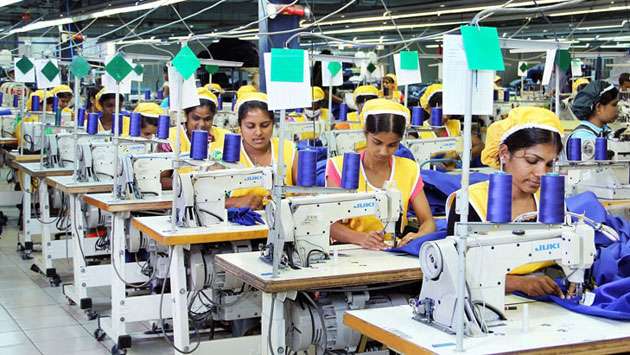
Sri Lanka’s apparel sector ended the year 2024 on a positive note, however, industry stakeholders remain unimpressed with the overall performance, stating that more must be done to reach the earning levels of 2019.
Using 2019 as a baseline, the last “normal” pre-pandemic and pre-economic crisis year, Sri Lanka’s apparel export performance in 2024 paints a more cautious picture, according to the Joint Apparel Association Forum (JAAF). Compared with the US$5.3 billion in export revenue recorded in 2019, last year’s performance shows a 10.3 percent shortfall.
“These stark facts highlight the need for more concentrated interventions to reclaim lost ground and chart a course to match and exceed the pre-pandemic export trajectory that Sri Lanka was on,” said JAAF.
Analysis of growth trends over the past five years shows the sector’s resilience despite a gradual recovery process. Exports fell to US$ 4.1 billion in 2020, a 22 percent drop from 2019, due to the pandemic-induced downturn.
Exports temporarily peaked in 2022 as markets overestimated the post-Covid recovery, but setbacks emerged in 2023 amid global inflationary pressures and reduced consumer spending. The 5 percent growth recorded in 2024 reflects both recovery efforts and the downward pressure on pricing currently affecting the industry.
“Reclaiming pre-2019 levels and setting higher benchmarks is a challenge that requires a collective effort,” said JAAF Secretary General Yohan Lawrence.
“Strategic investments and reforms can position Sri Lanka’s apparel sector to cross US$6 billion in export earnings, strengthening its reputation as a global leader in quality and ethical manufacturing,” he added.
The Forum also emphasised that localised fabric production remains critical for the industry’s long-term recovery and competitiveness. Spanning over 300 acres, the Eravur Textile Zone has been designed to support multiple verticals related to textile manufacturing. Manufacturers can establish facilities for textile dyeing, washing, knitting, weaving, and other associated processes in this dedicated area. The industry has acknowledged that this landmark project can save significant foreign exchange, reduce production lead times, and enhance the value proposition of Sri Lankan exports to global buyers, who are increasingly demanding traceability and sustainability. “The Eravur Textile Zone is more than just an initiative; it’s a lifeline for the industry. Localising fabric production is crucial to increasing competitiveness and meeting the demands of global markets,” said Lawrence.
JAAF also stressed the importance of continued collaboration between the industry and government stakeholders. Key policy actions—such as enhanced market access, enabling infrastructure projects like the Eravur Textile Zone, ensuring transparency and predictability in electricity pricing, and easing operational bottlenecks such as those currently experienced at the Colombo Port—are paramount for long-term growth,Lawrence noted.
Meanwhile, JAAF welcomed the recent adjustment to electricity tariffs, particularly as Sri Lanka’s energy costs have historically been higher compared to competitor countries. JAAF has long advocated for the independence of the Public Utilities Commission of Sri Lanka (PUCSL) to ensure the country adopts the most cost-effective generation mix, passing on these savings to consumers through a fair, cost-reflective tariff.
Furthermore, Sri Lanka and Indonesia have jointly submitted an application to the UK Developing Countries Trading Scheme (DCTS) authorities for the cumulation of Indonesian fabrics with Sri Lanka. If approved, this would allow apparel made in Sri Lanka using Indonesian fabric to access the UK market
duty-free.