 Rishini Weeraratne
 Reply To:
Name - Reply Comment

 By: Rishini Weeraratne
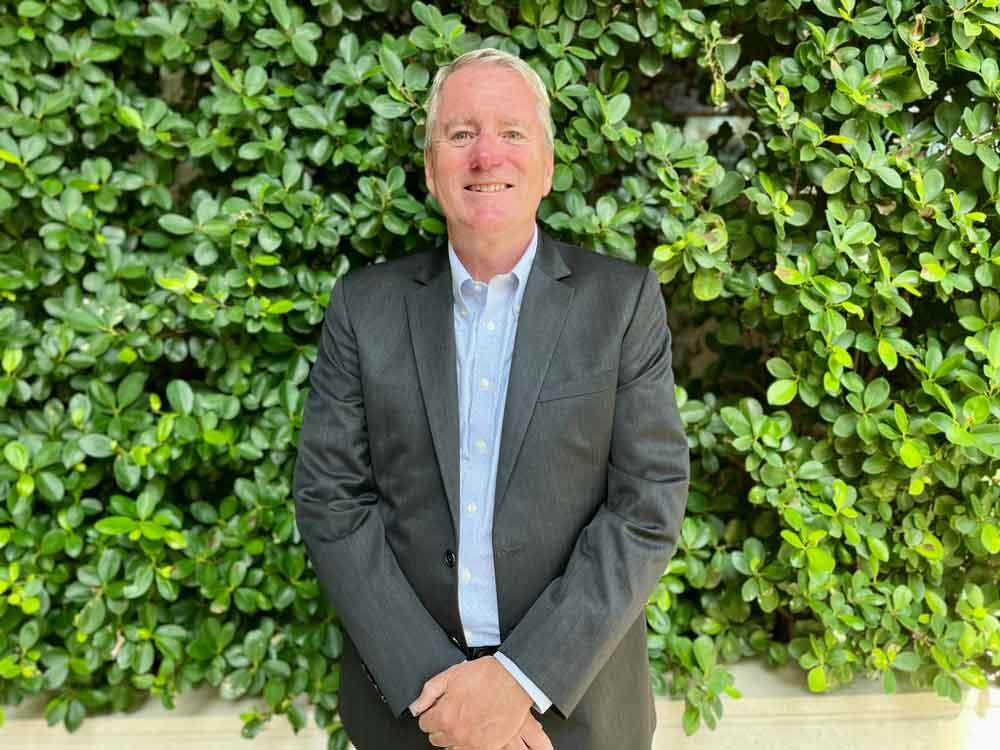
I first met John Wood at an exclusive fundraising event in London, hosted by John Ridding, CEO of the Financial Times, and introduced by Natasha Guinness, a member of U-GO’s UK Board. From the moment we spoke, I was captivated by his vision for U-GO, a ground-breaking initiative empowering young women in low-income countries through access to higher education. As someone passionate about education and opportunity, I knew instantly that this was an organization that needed to extend its reach to Sri Lanka. John, a former Microsoft executive turned global philanthropist, is best known for founding Room to Read, a non-profit that has impacted over 32 million children worldwide by improving literacy and gender equality in education. His incredible journey, from leaving a corporate career to becoming a leading advocate for educational equity, has been chronicled in his memoir, Leaving Microsoft to Change the World, which was also published in Sri Lanka, in both Sinhalese and Tamil, reflecting his deep connection to Sri Lanka. During our conversation, John’s commitment to ensuring that talent, no matter where it’s found, is met with opportunity resonated deeply. As he shared stories of U-GO’s successes and the lives it has transformed, I felt inspired to explore how this impactful initiative could bring hope and change to Sri Lanka’s young women.
 What inspired you to establish U-GO, and how does its mission address educational disparities faced by young women in low-income countries?
U-GO was born out of the belief that while talent is universal, opportunity is not. Many talented young women in low-income countries aspire to higher education but face overwhelming financial barriers. U-GO aims to bridge this gap by providing scholarships and support. Our mission is to empower these women, enabling them to pursue their dreams and, in turn, uplift their families and communities.
Since its launch in early 2022, how has U-GO progressed, and what are the key milestones achieved?
U-GO has seen tremendous growth since its inception in February 2022. We've:
We have already welcomed 4,340 ambitious and promising young women into the U-GO family, all on long-term scholarships. Over the course of the next year, we will also be celebrating our first 500 university graduates.
 How does U-GO identify and select scholars for its programs?
Our selection process is conducted in collaboration with local NGO partners who deeply understand their communities. Criteria include financial need, academic potential, and motivation to pursue higher education. We prioritize underrepresented groups, especially from rural and marginalized communities, to ensure a broad and equitable reach.
What challenges has U-GO faced, and how have these been addressed?
The journey has not been without challenges. Scaling operations while maintaining quality and cost efficiency is a significant hurdle. Additionally, the demand for scholarships often exceeds available resources. For instance, in the Philippines, for the academic year 2024-2025, we planned 330 new scholarships but received 22,000 applications from qualified women lacking financial means.
To overcome these, we:
Can you share inspiring stories of U-GO scholars and how the program has impacted their lives?
Absolutely. Here are a few highlights:
These stories illustrate the transformative power of education and financial support.
How does U-GO contribute to reducing gender inequality in higher education?
By focusing on women, U-GO directly addresses gender disparities in education. Providing access to university degrees enables women to participate more actively in economic and societal roles, reducing income inequality and fostering healthier communities.
What role does technology play in U-GO's scholarship programs?
Technology plays a valuable role in U-GO’s scholarship programs, but it’s not a replacement for the in-person classroom experience. Nothing can replicate the impact of learning directly from inspiring professors or having the opportunity to connect with peers. However, technology enriches our programs by providing additional resources and inspiration for our students. For example, we run an online speaker series called "Unstoppable Together," where students from different countries can listen to female business leaders from across Asia. We also have tech executives from Silicon Valley volunteering to teach AI skills to our students. It’s pretty amazing to think that experts who teach at top universities like Berkeley or Stanford are also reaching U-GO students in places like the Philippines.

Who are U-GO’s key partners, and how do these collaborations amplify its impact?
We collaborate with organizations deeply rooted in their communities, such as:
These partnerships enhance our reach and effectiveness, leveraging their expertise and trust within local contexts.
How does U-GO ensure the sustainability of its programs?
Every scholarship is a long-term commitment. Scholars are guaranteed support until they graduate, provided they advance academically. We allocate one-time gifts to a reserve fund, ensuring future years’ scholarships are secure. This consistency is vital, especially for students who have faced lives of uncertainty.
Does U-GO plan to expand its programs to Sri Lanka?
Sri Lanka is of great interest to us. I personally have a history there, having launched Room to Read in the aftermath of the tsunami. Additionally, the Sri Lankan diaspora in London, Singapore, and Hong Kong has expressed interest in helping us explore this possibility.
If U-GO were to expand to Sri Lanka, what steps would you take to identify local partners?
While we haven’t identified specific partners yet, this will be a priority during a future study trip. Local collaboration is key to understanding the landscape and ensuring impactful interventions.
How would U-GO tailor its programs to address educational challenges specific to Sri Lanka?
It’s too early to say definitively. We’d need to conduct a comprehensive study to identify gaps and align our model with local needs.
How does U-GO adapt its programs to align with the cultural contexts of each country it operates in?
Our model is inherently flexible, thanks to our strong local partnerships. For instance, during my time with Room to Read, we ensured inclusivity in Sri Lanka by publishing books in both Tamil and Sinhalese. Understanding cultural nuances and employment markets will guide our approach in Sri Lanka.
What metrics does U-GO use to evaluate its impact?
We focus on measurable outcomes such as:
If U-GO were to establish a presence in Sri Lanka, what long-term goals would you set?
Similar to our global objectives, we’d aim to provide consistent, impactful support that enables young women to complete their education and secure meaningful employment.
What role could Sri Lankan alumni and volunteers play in U-GO's mission?
While 95% of our current scholars are still in school, we plan to establish alumni networks starting in 2025. These networks will play a pivotal role in mentoring and inspiring future scholars.
What message do you have for Sri Lankan students aspiring to pursue higher education?
Education is a powerful tool for transformation. With the right support and determination, every dream can be realized.
Through this inspiring conversation with John Wood, it’s evident that U-GO’s mission transcends borders, addressing critical educational gaps with innovation, empathy, and commitment. Its potential expansion to Sri Lanka could mark a new chapter in empowering young women in the region.