 Rishini Weeraratne
 Reply To:
Name - Reply Comment
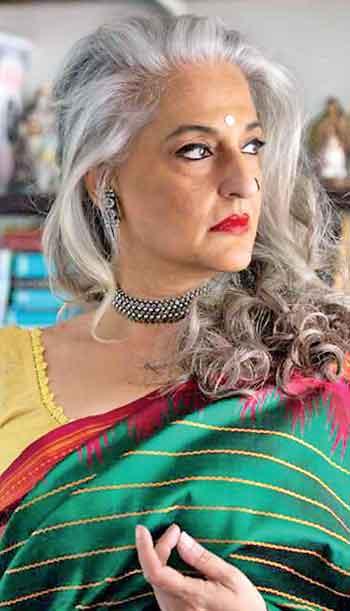
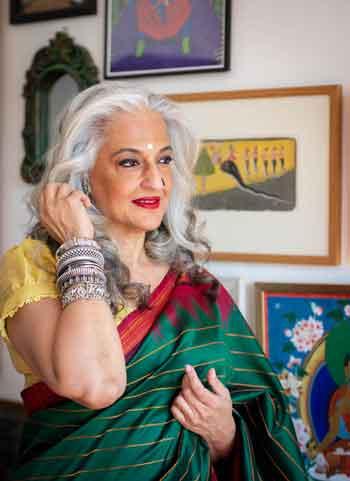
 Seema Anand is a distinguished mythologist, storyteller, and expert on ancient Indian texts, particularly the Kama Sutra. She has dedicated her career to uncovering lost narratives, focusing on women, relationships, and self-expression; her expertise spans classical Indian literature, including the Mahabharata, Puranas, and Kama Sutra. More than just a storyteller, Seema is a champion of cultural preservation and education. Her research, affiliated with UNESCO’s initiative to protect endangered oral traditions, ensures that ancient wisdom remains accessible to contemporary audiences. She is also the author of The Arts of Seduction, a book that redefines intimacy through historical and cultural perspectives. A digital sensation, Seema uses platforms like Instagram and YouTube to educate global audiences on sexuality, mythology, and women’s empowerment, helping dismantle taboos surrounding sexual health and pleasure. She extends her expertise to the corporate world, teaching storytelling as a leadership tool. A Guinness World Record holder for the largest rangoli and the director of one of London’s largest Diwali celebrations, Seema masterfully blends tradition with modern discourse. I was first introduced to Seema through Daily Mirror columnist and Founder of Wellness Curated, Anshu Bahanda. It was a privilege to have the opportunity to interview an internationally acclaimed personality for my column, She Can.
 Can you tell us about your journey, what led you to become a storyteller and mythologist?
I have always worked with stories, especially women’s narratives. I realized early on that identity is shaped by the stories we tell. We have endless stories about women being self-sacrificing and enduring pain, but none where they have autonomy over their own bodies. About 26 years ago, when I had my daughter, I started questioning this. I didn't want her growing up thinking she needed permission for pleasure. That led me to research stories that had been suppressed, and I eventually found my way to the Kama Sutra.
What inspired you to focus on ancient Indian texts, particularly the Kama Sutra?
I initially knew as much about the Kama Sutra as most people; that it was a book about sexual positions. But as I delved deeper, I realized it was about much more. It is a text that explores relationships, pleasure, and a woman’s right to her own desires. The more I studied it, the more I saw the depth and wisdom within it, which had been completely misrepresented over time.
How did your cultural background influence your decision to explore themes of sensuality, relationships, and mythology?
I grew up in post-colonial India, where Indian literature wasn’t part of our education. I studied European and Greco-Roman mythology but was never exposed to our own heritage. It was only when I moved to the UK and started working with Oxford University, and SOAS (School of Oriental and African Studies, University of London) scholars that I realized how much ancient Indian literature had to offer. Initially, I was just looking for stories from ancient India, and my research led me to the Kama Sutra and the broader discourse on sensuality and relationships.
Were there any pivotal moments in your life that set you on this path?
Yes, the birth of my daughter was a major turning point. Sitting there, holding her in my arms, I realized that women were always portrayed as someone's property, and I didn’t want her growing up with that mindset. That moment set me on a journey to find narratives that gave women agency over their own bodies.
What role does mythology play in shaping our understanding of intimacy and relationships today?
Mythology is a cultural blueprint. The stories we tell dictate how we see ourselves and how we relate to others. Ancient texts like the Kama Sutra provided a sophisticated, nuanced understanding of relationships and pleasure, but those aspects have been erased over time. By bringing them back, we can reshape modern conversations around intimacy.
Speaking openly about topics like sex and intimacy is often taboo. What challenges have you faced while breaking these barriers?
The backlash has been intense. I lost friends, received personal attacks, and faced accusations that attempted to discredit my character. Even members of my family were uncomfortable with my work. But I persisted because these conversations are necessary. The stigma around pleasure and sexuality needs to be dismantled.
How do you personally handle criticism, especially from those who might not understand or agree with your work?
It’s not easy, but I remind myself why I started. The more people push back, the more I see how necessary these discussions are. Over time, I’ve built a community that values these conversations, which helps counterbalance the negativity.
What has been your most rewarding experience during your career so far?
Hearing from people who say my work has changed their lives. When women tell me they’ve found confidence in their relationships or young LGBTQ+ individuals share that they feel validated, it reminds me that this work matters.
 Do you feel that societal attitudes toward sex and intimacy are changing? If so, what role do you think your work plays in this shift?
Yes, attitudes are slowly evolving. More people are willing to talk openly about these topics. Social media has played a significant role in this shift, and I hope my work contributes to normalizing these discussions.
How has working in this field shaped your own perspective on relationships and self-expression?
It has made me more aware of how deeply ingrained societal conditioning is. I have learned that pleasure is a fundamental part of life, and that self-expression should never be stifled.
What inspired you to take your storytelling to platforms like Instagram and YouTube?
These platforms allow access to a global audience. They provide a space to challenge misconceptions and share knowledge in an engaging way.
How do you ensure that your content is relatable to a diverse and global audience?
By focusing on universal themes, desire, identity, self-acceptance, I ensure that the content resonates across cultures and backgrounds.
Many of your posts have gone viral. How do you balance virality with authenticity?
Chasing virality rarely works because trends shift too quickly to maintain consistency in your message. The only sustainable approach is authenticity; when you stay true to your subject and voice, the right audience will connect with your content naturally. Virality should be a by-product of genuine storytelling, not the goal itself.
What advice would you give to others who want to use social media to spark conversations around taboo subjects?
Be prepared for resistance but stay true to your mission. The internet can be harsh, but it can also be a powerful tool for change.
What has surprised you most about the feedback or engagement from your online audience?
The sheer number of people who feel seen and heard. Many reach out to share deeply personal stories, which shows how needed these conversations are.
How do you approach the conversation around sexual health and pleasure in conservative societies?
By using historical and cultural references to show that these topics are not foreign but have always been part of our heritage. It’s about reclaiming lost narratives rather than introducing something new.
What is one common misconception about the Kama Sutra that you wish to address?
That it is just about sexual positions. It is actually a comprehensive guide to relationships, self-care, and emotional well-being.
In your opinion, why is it so important for women, in particular, to reclaim narratives about their own sensuality?
Because for too long, women's pleasure has been ignored or controlled. Reclaiming these narratives empowers women to define their own desires and relationships.
Do you feel there is a global resurgence in interest around ancient wisdom and its applications to modern life?
Absolutely. People are looking to the past for insights that can improve their present. Ancient wisdom has much to offer in terms of relationships, well-being, and self-knowledge.
What advice would you give to someone in Sri Lanka (or similar cultures) who struggles to openly talk about their needs or desires in relationships?
Start with self-awareness. Understand that your needs are valid. If open conversations feel difficult, find safe spaces, trusted friends, online communities, where you can explore these discussions without fear of judgment.
Seema Anand’s work continues to be a beacon for those seeking to reclaim conversations around pleasure, intimacy, and self-expression. By challenging deeply ingrained taboos and reshaping narratives, she has paved the way for a more informed and empowered dialogue about relationships and sexuality. Her research, books, and social media presence have sparked important discussions across cultures, breaking barriers that have long silenced these topics. In a world that often shies away from addressing intimacy with honesty, Seema’s voice stands out as one that encourages confidence, understanding, and a return to ancient wisdom for modern empowerment. Her journey is a testament to the power of knowledge, storytelling, and perseverance in creating meaningfu