 Rishini Weeraratne
 Reply To:
Name - Reply Comment
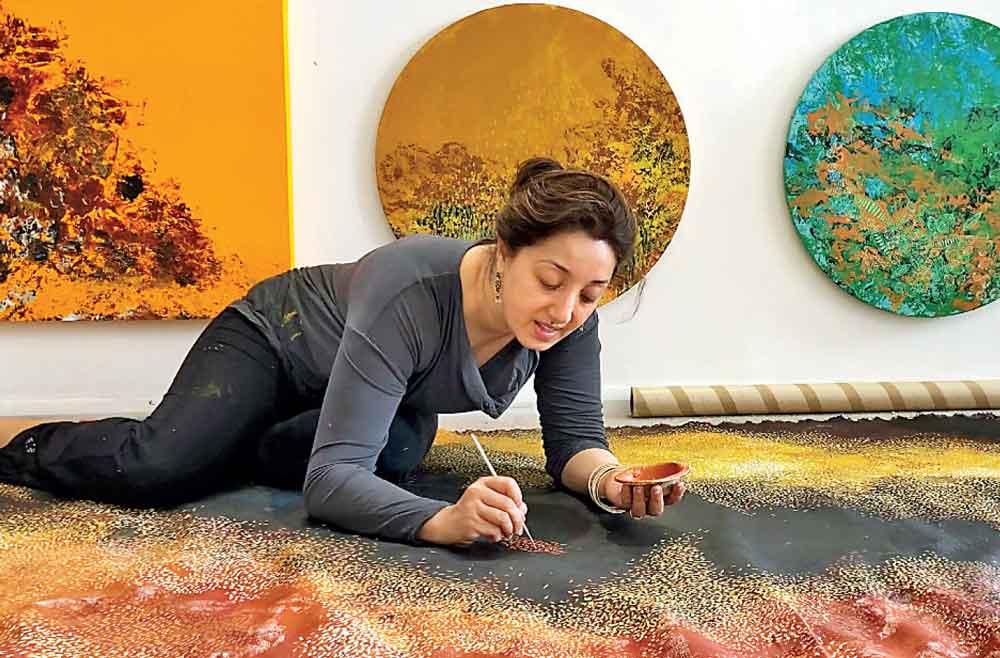
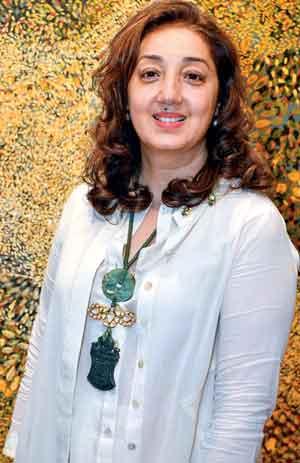
 Revati Sharma Singh is a visionary artist whose work transcends boundaries, blending personal experiences, social consciousness, and a profound connection to nature. Known for her powerful exploration of themes such as hunger, sustainability, and the human condition, Revati’s art speaks to universal truths while pushing the boundaries of material and form. From her early days in Mumbai, to her summers in the hills of Himachal Pradesh, her upbringing has deeply influenced her artistic journey. Revati’s practice is ever evolving, embracing a fluid mix of mediums; from clay and sterling silver to intricate embroidery, each chosen to evoke emotion and provoke thought. Her pieces challenge societal norms, using texture, colour, and symbolism to address global issues like food security and climate change. I first met Revati at her exhibition ‘Ability in Disability’ held in Mayfair, London. I was introduced to her by Daily Mirror columnist and Founder of Wellness Curated, Anshu Bahanda. In this exclusive interview with The Daily Mirror, Revati reflects on her creative evolution, her commitment to inclusivity, and her unwavering drive to use art as a tool for social change.
 Can you share how your childhood experiences in Darang, Himachal Pradesh, India, have influenced your artistic journey?
Growing up amidst the hustle and bustle of Mumbai while spending summers in Darang, Himachal Pradesh, deeply influenced my artistic vision. The stark contrast between the two environments; the serene mountains, lush tea estates, and open landscapes of Darang versus the dynamic, urban energy of Mumbai, became central to my creative expression. The textures, colours, and rhythms of nature left a lasting imprint, instilling in me a sense of solitude, freedom, and deep connection to the earth. Even after living in different countries, Darang remains my spiritual home, and its essence continues to resonate in every piece I create.
What inspired you to pursue a career in art?
Although I studied Design in Art College, my early aspiration was to work with children. Hunger has always been a deep-rooted concern for me; I dream of a world where no one has to sleep hungry, though I know it’s a daunting challenge with over 150 million people facing hunger every night. My artistic journey began in childhood, painting murals on the walls of my grandmother’s home, where I discovered both joy and purpose. Whether through painting, pottery, or experimenting with different mediums, I found a sense of fulfilment. The summers I spent in Andretta, working alongside potters, further solidified my passion. Over time, I came to see art not just as a means of expression but as a powerful tool to explore themes of identity, freedom, and social change.
What made you migrate to the United Kingdom?
Moving to the UK was a step in my journey of exploration; both personal and artistic. Living in different places has broadened my perspective on art, culture, and social issues, enriching my creative practice. However, no matter where I am, my artistic core remains deeply rooted in my Indian heritage and the experiences of my childhood in the hills.
What led you to explore the themes of hunger and abundance in your work?
Food is a universal language that transcends race, religion, and class. I’ve always been drawn to the stark contrast between scarcity and excess, which deeply influences my art. The landscapes I paint often reflect these dualities; flourishing nature versus destruction, fullness versus emptiness, order within chaos. Duality exists in everything. Through my work, I aim to shed light on global inequalities while also celebrating the beauty, resilience, and interconnectedness of life.
Your work incorporates diverse materials like clay, sterling silver, and embroidery. How do you decide which medium to use for a particular piece?
Each material carries its own energy and symbolism. Clay has a grounding, primal quality that connects me to the earth, while silver brings refinement and contrast; much like gold, which society values for its rarity and worth. I use this contrast intentionally in my work. Embroidery, on the other hand, is a form of storytelling and tradition, weaving narratives through texture and thread. My choice of medium is guided by the emotions I want to evoke and the message I wish to convey in each piece.
Can you walk us through your creative process, from conception to completion?
My creative process is deeply intuitive. It often begins with an idea or feeling, sparked by nature, personal memories, or social issues. I choose my materials, but as I immerse myself in the work, the piece begins to take on a life of its own. Layers build upon layers, much like the layers of life itself. I let the process unfold naturally, embracing imperfections and unexpected changes as part of the journey. It’s about staying open to the evolution of the work and letting it guide me.
Grains are a recurring motif in your art. What significance do they hold for you?
Grains symbolize sustenance, survival, and the cycle of life. They are like fractals; self-repeating patterns in nature, much like the patterns we see in ourselves and the world around us. Though small, grains carry great power, representing both abundance and deprivation, life, and death. By incorporating grains into my work, I aim to address themes of food security, environmental sustainability, and humanity’s deep connection to the land. They serve as a reminder of both our fragility and resilience.
How do you approach conveying complex social issues, such as the global hunger epidemic, through your art?
I believe in using subtlety rather than direct activism in my art. My work encourages viewers to engage both emotionally and intellectually. Through texture, material, and form, I aim to evoke a response that prompts reflection. Art has the unique power to make people feel before they think, and that emotional connection is where true engagement begins. For instance, my installation Hungry Stomachs is made of thousands of paper folds, each containing small bits of gold and silver grain. Only those who are hungry truly understand the value of food. Through such pieces, I aim to convey the profound significance of sustenance and the human experience of hunger.
You’ve participated in prestigious events like the Venice Biennale and the Saatchi Gallery’s Start Art Fair. How have these experiences shaped your career?
These platforms have given my work the opportunity to reach a global audience and engage with a wide array of perspectives. They have reinforced my belief that art has the power to transcend language and geographical boundaries. The exposure and meaningful conversations that emerge from these events have inspired new directions in my practice, pushing me to explore and evolve as an artist.
Could you tell us about your recent collaboration with Atypical Advantage for the ‘Ability in Disability’ exhibition?
This collaboration was incredibly meaningful to me. Inclusivity in the arts is a cause I am deeply passionate about. Working alongside artists with disabilities was both humbling and inspiring, reinforcing my commitment to creating spaces where all voices are heard and celebrated. I’m also working toward establishing a platform for disabled artists at art fairs around the world. It’s time to level the playing field and ensure that talent is recognized, regardless of ability.
Over the past 23 years, how has your artistic style evolved?
My artistic journey has been one of transformation. I started with portraiture and figurative work, moved into chaotic urban landscapes, and then explored abstract earthly landscapes before eventually embracing complete abstraction in painting, drawing, and clay. This evolution mirrors my personal growth and the way I’ve processed my experiences over time. Today, my work feels more organic, fluid, and deeply rooted in nature, reflecting a stronger connection to the world around me.
Are there any new themes or mediums you’re currently exploring?
I’ve been experimenting with natural pigments like lapis lazuli and malachite, which bring a raw, unfiltered energy to my work. These materials connect me to the earth in a profound way.
Conceptually, I’m delving deeper into themes of sustainability, climate change, and human resilience, exploring how our actions affect the planet and the ways in which we can find hope and strength in the face of adversity. These new explorations feel deeply connected to the world’s pressing issues and my ongoing dialogue with nature.
What challenges have you faced in addressing social issues through art?
The biggest challenge is ensuring that the message remains authentic and isn’t diluted by trends or external pressures. Addressing difficult topics like hunger and inequality means confronting uncomfortable truths, which not everyone is ready or willing to engage with. It can be hard to create work that is both impactful and thought-provoking while also being sensitive to the emotional weight of these issues. But I believe it’s essential to stay true to the message, even when it’s challenging.
Have there been any memorable reactions or feedback that have impacted you?
I’ve always felt that if I can move even one person with my work, as I am moved when I watch a beautiful sunset, then my work as an artist is fulfilled. Twice, I’ve had people moved to tears when viewing my art; those moments are unforgettable. They reinforced the power of art to evoke personal and collective memories and reminded me of its role as an agent of change. Knowing that my work can touch others so deeply is both humbling and inspiring.
Are there any upcoming projects or exhibitions you’re excited about?
Yes, I’m currently working on a series that explores climate change through the use of natural materials. This project feels especially relevant as the world faces increasing environmental challenges. Additionally, I’m collaborating on projects that focus on women artists and sustainability, which I’m truly excited about. These collaborations aim to create a platform for voices that often go unheard, while also addressing pressing global issues. It’s an exciting time of exploration and connection in my work.
Who do you look up to for inspiration or mentorship?
I find inspiration in artists like Anselm Kiefer and Louise Bourgeois, who fearlessly explore both material and meaning in their work. Their ability to delve deep into complex emotions and concepts resonates with me. Closer to home, my mentors have been the people who have supported and believed in me, guiding me along my artistic journey with their wisdom and encouragement. Their belief in me has been invaluable.
How do you envision your work evolving in the next few years?
I see my work becoming even more immersive, incorporating installation art and sensory experiences that engage audiences on multiple levels. I want to create environments that allow people to feel, experience, and reflect, not just observe. This evolution will bring a deeper interaction with the work, inviting viewers to connect in more personal and meaningful ways.
What advice would you give to emerging artists who wish to address social issues through their art?
Stay authentic. Don’t create for trends; create from a place of truth. Your art should reflect your genuine beliefs and experiences. When you speak from the heart, your work will resonate with others and have a much deeper impact. Stay true to your vision and let your art be a reflection of your passion and purpose.
How do you see the role of art in effecting social change?
Art has a unique power to shift perceptions, foster empathy, and spark important conversations. It can challenge the status quo, raise awareness, and inspire action. As one of the most potent tools for change, art has the ability to move people, open minds, and ultimately contribute to shaping a more just and compassionate world.
Where do you see yourself ten years from now?
In ten years, I see myself still creating, still evolving, and hopefully making an even greater impact through my work. I believe it’s important to share the good fortune we receive, and I’ve been fortunate to have the support and encouragement of so many. My hope is to pay that forward by supporting and inspiring others, creating opportunities for those who may need a helping hand in their own creative journeys.