Reply To:
Name - Reply Comment

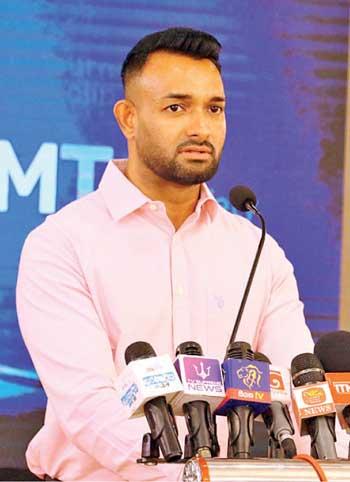 |
| Consultant Haemato-oncologist at Apeksha Hospital, Maharagama Dr. Buddhika Somawardhana. |
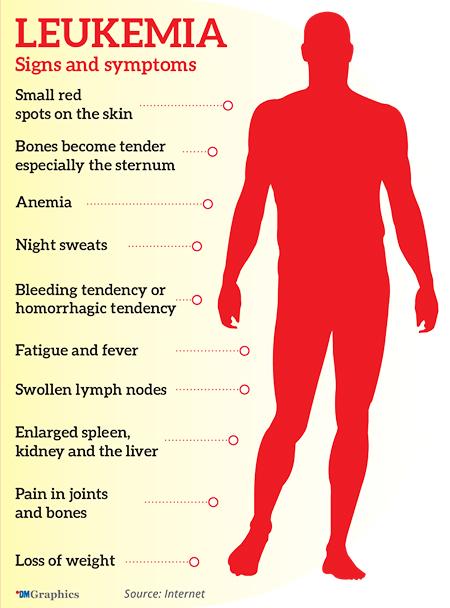
Medical professionals warn that if urgent action is not taken to enhance specialist capacity, the country’s growing blood cancer issue will go beyond control in near future, with only four leukemia specialists in hand presently.
In Sri Lanka, between 15, 000 to 18, 000 cancer cases are reported annually, around 1, 500 to 2, 000 of them being diagnosed with blood cancers and conditions requiring complex treatment such as bone marrow transplantation.
These specialised cancer care treatments are particularly for conditions such as leukemia, lymphoma and myeloma, which require long-term, highly specialised management.
Consultant Haemato-oncologist Dr. Buddhika Somawardhana of the Apeksha Hospital in Maharagama addressing a recent public forum revealed that only four specialist doctors are currently available in Sri Lanka for the treatment of blood cancers and bone marrow transplant (BMT).
Speaking at an awareness programme organised by the Association of Bone Marrow Transplant Survivors in collaboration with A-Mart Holdings in Colombo last week, Dr. Somawardhana said only an extremely small specialist cadre are presently serving a growing number of patients being diagnosed annually.
“Out of the four specialists in the country, three, including myself, are based at the Apeksha Hospital in Maharagama, while the remaining specialist serves at the Kandy National Hospital. Around 5, 400 blood cancer cases were recorded among 35, 855 new cancer cases reported in 2022,” the Consultant Haemato-oncologist said.
 Dr. Somawardhana warned that the shortage of specialists is further compounded by the migration of experienced doctors, noting that around seven to eight haemato-oncology specialists, who previously served in the country, are now working overseas.
He said the shortage of both human resources and essential medicines has created major challenges in delivering sustained care, often forcing patients to seek advanced treatment abroad, particularly in India.
Speaking at the same event, Consultant Haemato-Oncologist of the Kandy Hospital Dr. Nilupuli Goonerathne stressed the importance of continuous post-treatment monitoring, warning that failure to maintain follow-up care could have life-threatening consequences.
She noted that patients often undergo treatment costing between Rs.10 million and Rs.20 million, but outcomes could be severely undermined if structured follow-up care is neglected.
“These patients have significantly weakened immunity and are highly vulnerable to infections and other complications. Follow-up care is not optional, it is essential,” she said, adding that such cases are increasingly being reported.
The awareness programme also focused on post-treatment safety and long-term recovery in bone marrow transplant patients, including infection prevention, lifestyle management and rehabilitation.
The event brought together local and international specialists, along with recovered patients, in an effort to improve public awareness of the challenges surrounding blood cancer treatment and post-transplant care.
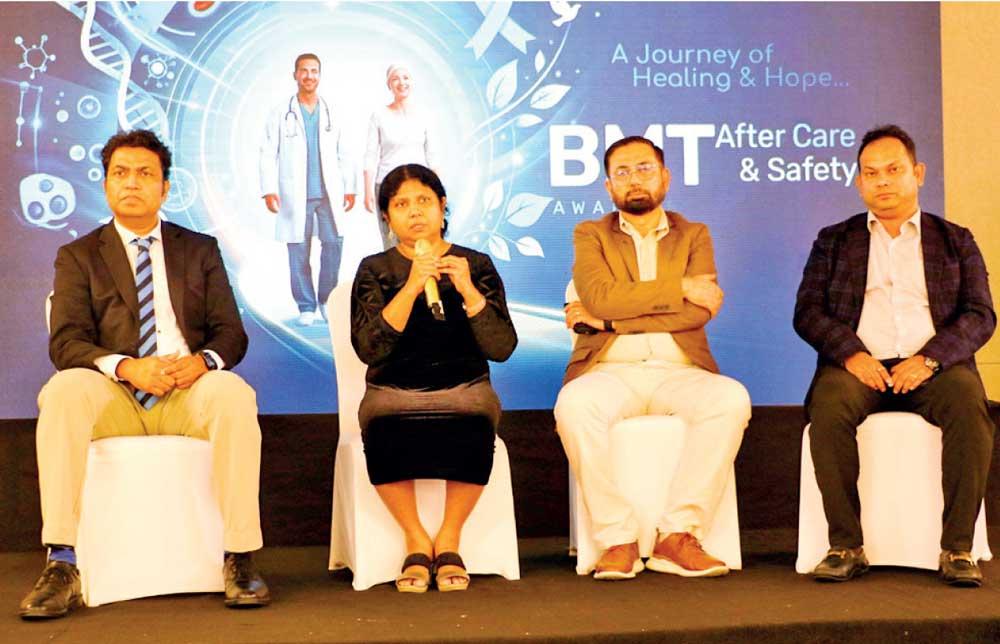
Consultant Haemato-Oncologist Kandy Hospital Dr. Nilupuli Goonerathne speaking at the panel discussion. Also in the picture are Senior Consultant in Haematology and Bone Marrow Transplant from Bangalore Dr. Mallikarjun Kaalashetty with Vikas Ayer and Ram Gopal Bardhan