09 Oct 2015 - {{hitsCtrl.values.hits}}
.jpg)
.jpg)
.jpg) But Suu Kyi isn’t silent on these issues due to lack of concern. Her position is still very fragile and she’s walking a political tight rope, trying to build on a very flimsy framework of democratic functioning. She isn’t at all in a position to take daring political risks with a xenophobic, power-hungry military set up watching her every move, while dealing with a very conservative and traditional voter population.
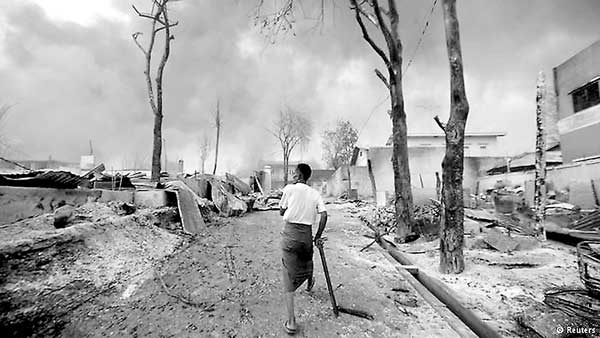
But Suu Kyi isn’t silent on these issues due to lack of concern. Her position is still very fragile and she’s walking a political tight rope, trying to build on a very flimsy framework of democratic functioning. She isn’t at all in a position to take daring political risks with a xenophobic, power-hungry military set up watching her every move, while dealing with a very conservative and traditional voter population..jpg) Even before the Rohingya issue became a priority concern, there were over half a million exiles in Thailand. The Burmese Migrant Workers Education Committee supports over 10,000 children in the border living in shelters. The Hsa Thoo Lei Learning Centre in Mae Sot supports nearly 800 orphans who have lost their parents to the junta. Among other outstanding human rights issues, the junta has to face legal action over the genocide and forced slavery of the Karens, brutal suppression of all opposition and the inhuman disregard of Cyclone Nargis victims. But a scenario where Suu Kyi and her potential government can put former junta members on trial is still a fantasy and those who entertain such fantasies now need to do a firm reality check.
Even before the Rohingya issue became a priority concern, there were over half a million exiles in Thailand. The Burmese Migrant Workers Education Committee supports over 10,000 children in the border living in shelters. The Hsa Thoo Lei Learning Centre in Mae Sot supports nearly 800 orphans who have lost their parents to the junta. Among other outstanding human rights issues, the junta has to face legal action over the genocide and forced slavery of the Karens, brutal suppression of all opposition and the inhuman disregard of Cyclone Nargis victims. But a scenario where Suu Kyi and her potential government can put former junta members on trial is still a fantasy and those who entertain such fantasies now need to do a firm reality check.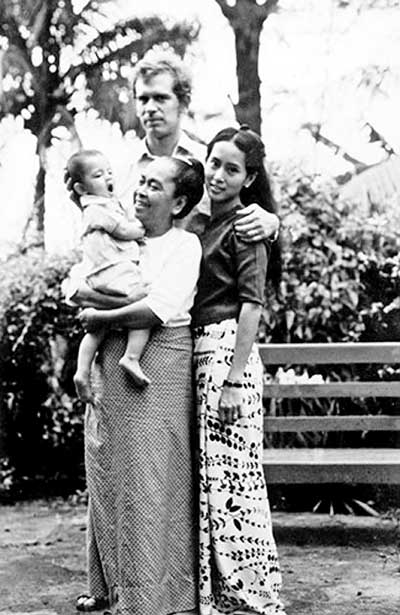 In 1990, when the NLD won the general elections by a huge majority, the junta declared the result null and void, banned the party, jailed its key members and placed Suu Kyi under house arrest. In 1990, Suu Kyi was awarded the Nobel Peace prize. She was represented by her elder son Michael because she was not allowed to travel to Oslo. In 1992, after Gen. Than Shwe took over, conditions became even more harsh. In the proposed new constitution published in 2008, 25% of assembly seats were allocated for the military and Suu Kyi was banned from holding the presidency.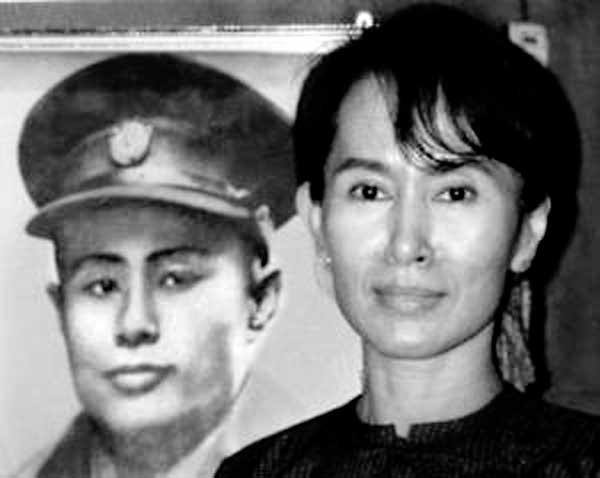
02 Jul 2026 8 hours ago
02 Jul 2026 8 hours ago
02 Jul 2026 9 hours ago
02 Jul 2026 9 hours ago
02 Jul 2026 02 Jul 2026