12 May 2026 - {{hitsCtrl.values.hits}}
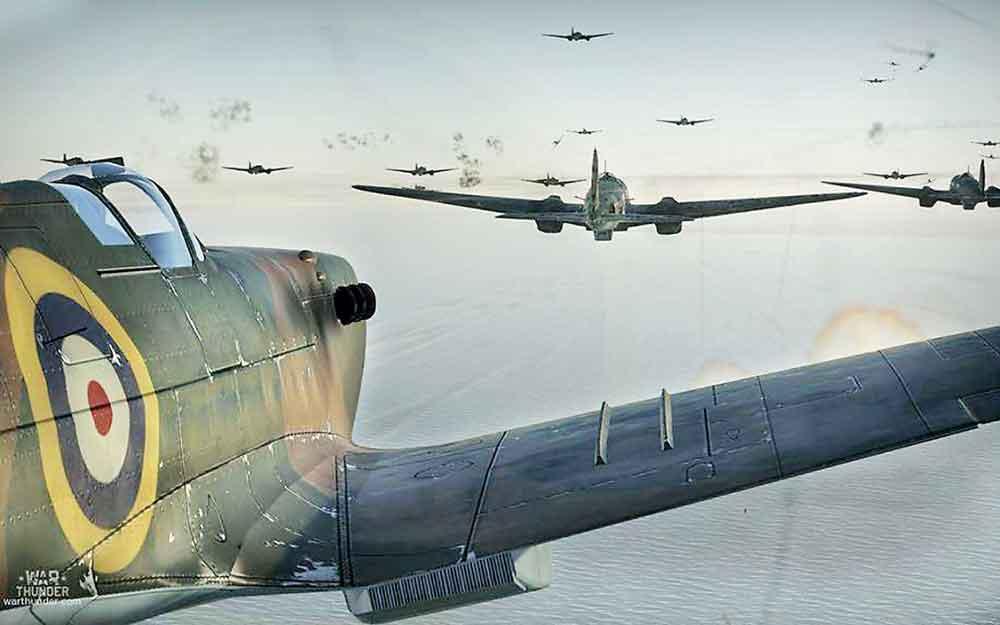 Earlier, Air superiority meant pilots locked in dogfights
Those who can think faster, adapt quicker, and act wiser will not only shape the outcome of tomorrow’s battles but they will also determine the resilience and relevance of nations like Sri Lanka in an increasingly contested world
 From the thunder of cavalry charging across open fields, from mighty battleships ruling the seas to jet aircraft streaking across the skies, each era has transformed how nations project power.
Every leap in technology has rewritten the rules of conflict. The sword gave way to the musket. The musket yielded to the machine gun. The horse was replaced by the tank, the battleship by the aircraft carrier, the bomber by the missile. And with each transformation, the battlefield itself expanded from land to sea, from sea to sky, and now into space and cyberspace.
What once depended on muscle and courage now depends on circuits and code. Yet the constant remains; technology does not merely change the tools of war, it changes the very logic of strategy, the psychology of nations, and the balance of power across the world.
Consider the Battle of Britain in 1940, where squadrons of Spitfires and Hurricanes fought desperately to secure the skies against the Luftwaffe. Air superiority then meant pilots locked in dogfights, victory hinging on courage, skill, and industrial capacity. Fast forward to the Gulf War of 1991, where precision-guided munitions and stealth aircraft showcased a new era of dominance, one defined by advanced platforms and overwhelming technological superiority.
But after these global milestones, Sri Lanka witnessed a lesser known yet strategically significant evolution in air warfare. The LTTE
Air Tigers introduced a new and unexpected dimension to the idea that air power was no longer the exclusive domain of nation-states.
Using light aircraft adapted for low-altitude operations, they demonstrated that even non-state actors could penetrate airspace, conduct surprise strikes, and impose psychological and economic pressure on a conventional military. Flying low, often at night, and exploiting radar limitations, the LTTE introduced an early form of low-signature aerial warfare.
This was a powerful lesson; airspace can be contested even by non-state actors. More importantly, it introduced the logic of cost asymmetry in air warfare; inexpensive offensive tools can force defenders to spend far more on countermeasures than the attackers spend on their initial capability. In many ways, this was a precursor to what the world now sees in modern drone warfare.
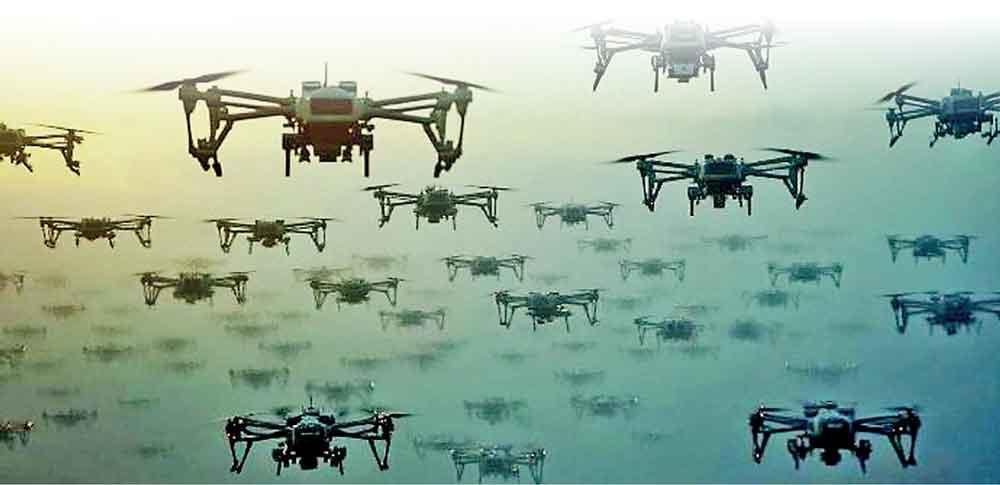
Today a low-cost drone, sometimes can trigger the launch of a million dollar worth interceptor missile
More importantly, they force sovereign states to respond by deploying expensive air defence systems, maintaining constant vigilance, and strategically recalibrating.
Today, in the ongoing conflict involving the United States, Israel, and Iran, we are witnessing yet another transformation. This is not merely a regional confrontation. It is a living classroom that reveals how the very nature of air warfare is changing before our eyes.
Traditionally, air power meant fighter aircraft dominating the skies. But now, the skies are filled with drones, loitering munitions, cruise missiles, ballistic missiles, and electronic warfare platforms. A low-cost drone, sometimes costing only $5,000, can trigger the launch of a $1 million interceptor missile. That is not just warfare; it is economics in the sky. Sustained pressure through cheap systems can drain even the most advanced militaries, proving that cost asymmetry is itself a weapon.
Platform-centric vs
network-centric warfare
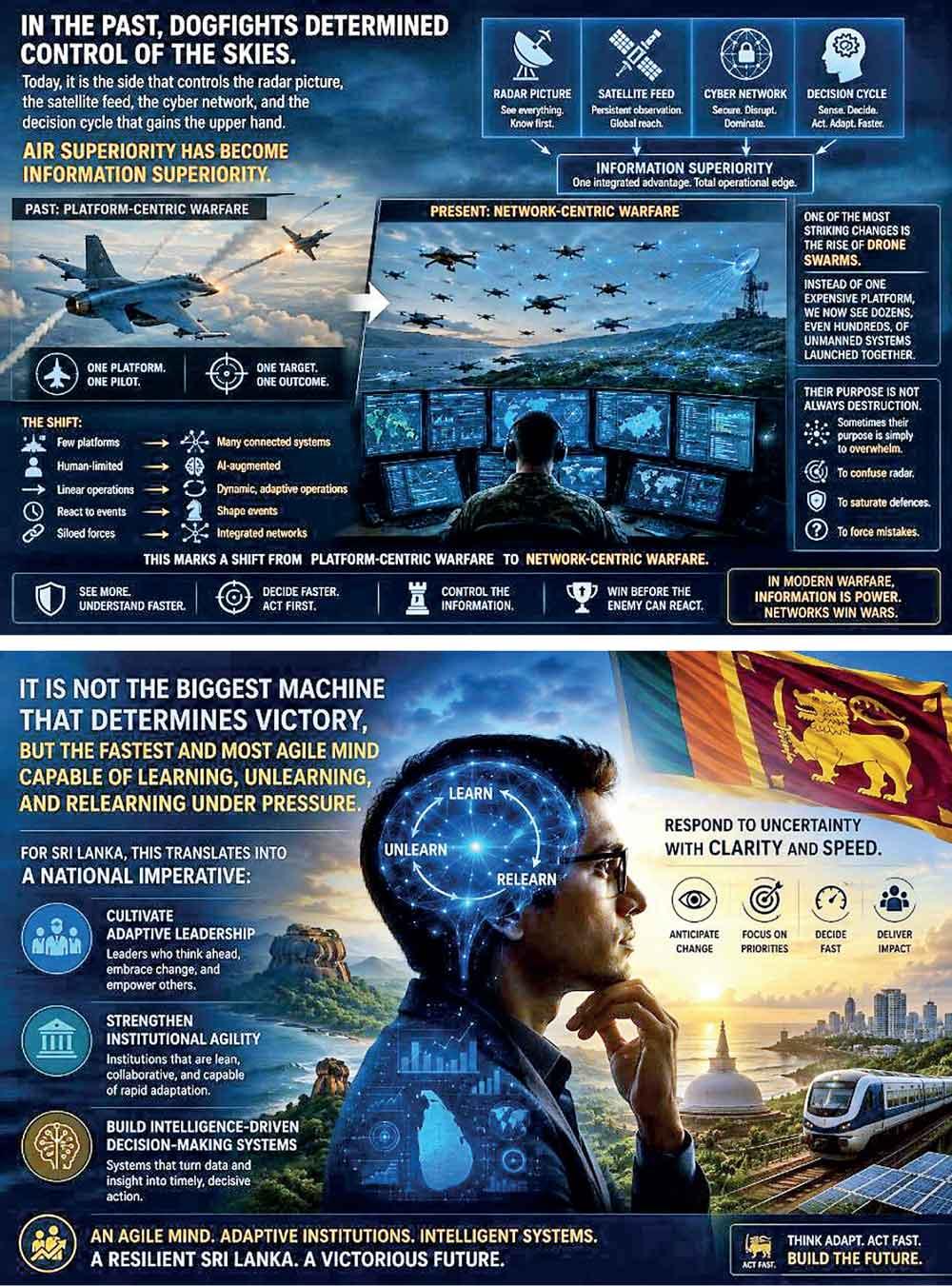
Victory is no longer decided simply by who has the most advanced aircraft, but by who can sustain pressure, absorb cost, and dominate information. In the past, dogfights determined control of the skies. Today, it is the side that controls the radar picture, the satellite feed, the cyber network, and the decision cycle that gains the upper hand. Air superiority has become information superiority.
One of the most striking changes is the rise of drone swarms. Instead of one expensive platform, dozens, even hundreds, of unmanned systems are launched together. Their purpose is not always destruction. Sometimes it is simply to overwhelm, to confuse radar, to saturate defences, to force mistakes. This marks a shift from platform-centric warfare to network-centric warfare.
Artificial intelligence now accelerates the military decision cycle, observe, orient, decide, act, compressing what once took minutes into seconds. Machines detect, analyse, and prioritise threats almost instantaneously. Yet this speed also tests human leadership. Commanders must adapt to a world where hesitation can mean defeat, and where resilience, judgment, and adaptability matter as much as technology.
The strategic truth is clear: technology alone does not guarantee victory. The side that can endure longer, adapt faster, and impose greater cost on the adversary often gains the edge. This lesson extends beyond the battlefield.
In cyber security, organisations face relentless waves of low-cost attacks that can overwhelm defences. In corporate strategy, startups with lean models can disrupt giants by forcing them into costly responses. In disaster response, resilience and rapid adaptation often matter more than sheer resources.
Whether in war, business, or governance, success belongs to those who adapt to changing realities. The leaders of tomorrow must not only command strength. They must command adaptability. Dominance is no longer about size alone. It is about intelligence, resilience, and innovation.
As we reflect on this conflict, one truth emerges: the battles of tomorrow will be fought not just in the skies, but in the invisible realm of networks, algorithms, and human adaptability, where the fastest mind, not the biggest machine, decides victory.
Today, we are witnessing yet another transformation, one that is unfolding in real time through the ongoing conflict involving the United States, Israel, and Iran. This conflict is not merely a regional confrontation. It is a living classroom that reveals how the very nature of air warfare is changing before our eyes.
Economics in the sky
Traditionally, when we spoke of air power, we imagined squadrons of fighter aircraft dominating the skies, engaging in dogfights, and striking targets with precision.
But today, air warfare is no longer defined only by manned aircraft. It is now a contest of systems, sensors, speed, and sustainability.
The skies are no longer occupied solely by pilots in cockpits. They are increasingly filled with drones, loitering munitions, cruise missiles, ballistic missiles, and electronic warfare platforms.
A low-cost drone, sometimes costing only a fraction of a modern fighter jet, can now challenge a highly sophisticated air defence system. Think about that for a moment. A machine worth a few thousand dollars can force the launch of an interceptor missile worth hundreds of thousands — sometimes even millions.
This is not just warfare. This is economics in the sky.
The conflict demonstrates that victory is no longer decided simply by who has the most advanced aircraft, but by who can sustain pressure, absorb cost, and dominate information.

The battlefield itself expanded from land to sea, from sea to sky, and now into space and cyberspace
In the past, dogfights determined control of the skies. Today, it is the side that controls the radar picture, the satellite feed, the cyber network, and the decision cycle that gains the upper hand.
In other words, air superiority has become information superiority. One of the most striking changes is the rise of drone swarms. Instead of one expensive platform, we now see dozens, even hundreds, of unmanned systems launched together. Their purpose is not always destruction. Sometimes their purpose is simply to overwhelm. To confuse radar. To saturate defences. To force mistakes. This marks a shift from platform-centric warfare to network-centric warfare.
Another lesson is the role of artificial intelligence. Modern conflicts compress decision-making into seconds. Threats are detected, analysed, prioritised, and intercepted almost instantaneously. The famous military decision cycle — observe, orient, decide, act — is now increasingly supported by machines. The faster the loop, the greater the advantage.
This conflict also teaches us a strategic truth that extends beyond the battlefield. Technology alone does not guarantee victory. The side that can endure longer, adapt faster, and impose greater cost on the adversary often gains the strategic edge.
This is a lesson not only for military leaders but for leaders in every field. Whether in business, governance, or conflict, success belongs to those who adapt to changing realities.
Adaptability is power
The nature of warfare is changing rapidly. And with it, the nature of leadership. The leaders of tomorrow must not only command strength, but they must also command adaptability. They must understand that in today’s world, dominance is no longer about size alone. It is about intelligence, resilience, and innovation. As we reflect not only on global conflicts but also on our own experience in Sri Lanka, from conventional military operations to the asymmetric challenges we once faced, one truth becomes even more evident.
The battles of tomorrow will be fought not just in the skies but in the invisible realm of networks, algorithms, and human adaptability. Leadership, cognition, and connectivity will be the decisive weapons. The leaders of tomorrow must not only command strength, but they must also command adaptability. Dominance is no longer about size alone. It is about intelligence, resilience, and innovation.
Victory belongs not to the strongest, not to the richest, not to the largest, but to the most adaptive. In this new battle space, superiority will no longer be defined solely by platforms, firepower, or numerical strength. Instead, it will depend on the ability to integrate intelligence, anticipate change, and respond with speed and precision in an environment that is constantly shifting and often unpredictable.
History reminds us — through both global conflicts and our own national experience, including Sri Lanka’s encounters with asymmetric warfare, hybrid threats, and prolonged internal conflict — that adversaries do not always engage where we are strongest. They adapt, they decentralise, and they exploit complexity across physical, informational, and psychological domains. From these lessons, one truth becomes evident: rigidity is vulnerability, and adaptability is power.
For Sri Lanka in particular, this lesson carries strategic depth beyond theory. As a small, open, and geographically pivotal nation in the Indian Ocean, Sri Lanka has repeatedly experienced how external shocks, whether economic, maritime, cyber, or geopolitical, translate rapidly into domestic consequences. From supply chain disruptions to energy volatility and information-space influence, the nation’s exposure reinforces a central reality: resilience is not inherited by size, but built through adaptability.
Ultimately, it is not the biggest machine that determines victory, but the fastest and most agile mind capable of learning, unlearning, and relearning under pressure. For Sri Lanka, this translates into a national imperative: to cultivate adaptive leadership, strengthen institutional agility, and build intelligence-driven, decision-making systems that can respond to uncertainty with clarity and speed.
In this emerging era of warfare and strategic competition, leadership, cognition, and connectivity become the decisive weapons.
Those who can think faster, adapt quicker, and act wiser will not only shape the outcome of tomorrow’s battles but they will also determine the resilience and relevance of nations like Sri Lanka in an increasingly contested world.
(The author, Air Chief Marshal Gagan Bulathsinghala RWP RSP VSV USP MPhil MSc FIM ndc psc, is a former Commander of the Sri Lanka Air Force and former Ambassador to Afghanistan. Currently he serves as the President of the Association of Retired Flag Rank Officers and Vice President OPA, and also a Senior Fellow South Asia Foresight Network)
29 Jun 2026 2 hours ago
29 Jun 2026 3 hours ago
29 Jun 2026 3 hours ago
28 Jun 2026 28 Jun 2026