04 Oct 2025 - {{hitsCtrl.values.hits}}
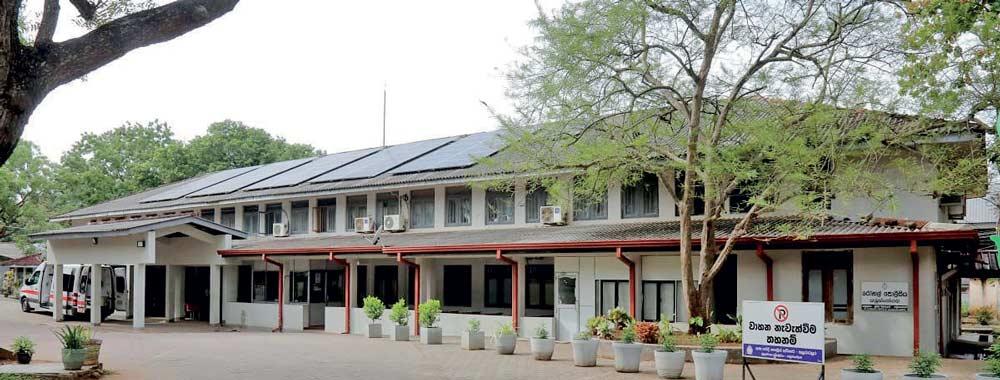
Patients visiting the Thambuttegama Base Hospital are in the process of adjusting to a new health system, which would allow them to obtain medical services quite fast, thanks to an initiative under the Asian Development Bank’s (ADB) Health System Enhancement Project (HSEP) launched by the Health Ministry
|
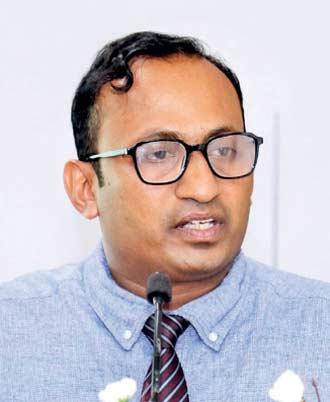
Dr Prabath Jayakody |
|
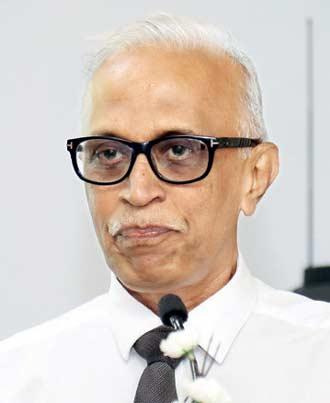
Dr Anil Dissanayake |
Patients at the Thambuttegama Base Hospital are in the process of adjusting to a new health system, which would allow them to obtain medical services in a couple of minutes in future. This initiative, under the Asian Development Bank’s (ADB) Health System Enhancement Project (HSEP), launched by the Health Ministry, aims to transform Sri Lanka’s primary healthcare sector by improving infrastructure, service delivery and health information systems. One of its pilot projects is the development of a Shared Care Cluster Model aimed at integrating primary, secondary and tertiary care services within defined geographic clusters. Recently, the Daily Mirror, along with other media, visited the Thambuttegama Base Hospital to observe how the Shared Care Cluster Model operates.
The Shared Care Cluster system is linked to a specialised care hospital. Therefore, other primary healthcare institutions can now link with the apex hospital. Through this link, specialists working at the main hospital could share information with doctors from rural hospitals and provide necessary care to patients. With the development of the new health information system under this project, doctors could share information thereby reducing overcrowding at the main hospital and making access to primary healthcare more affordable and convenient for patients.
Speaking to the media, Dr. Anil Dissanayake, HSEP Project Director said that one of the main challenges in Sri Lanka is to maintain free healthcare services. “In order to maintain free healthcare services we have to be on par with international standards. It has been proved that primary healthcare is a pillar which we have to develop in future to achieve universal health coverage. Our universal health coverage status is 67 and there are many countries ahead of us and below us. The new government’s policy is to strengthen primary healthcare policies in future. So in 2018 there was a policy which was approved by Parliament which included a Shared Care Cluster system. Since we don’t have a referral system anyone of us can go anywhere and get treatment whenever we want. To make it scientific we proposed having a Shared Care Cluster linked to a specialised care hospital. In our setup, it’s a base hospital or one that’s above smaller hospitals, which are primary healthcare institutions. In these institutions, we only have orthopaedic services. With that policy, we wanted to pilot it, and we got the assistance of ADB to develop it in nine clusters. One of the main components of this Shared Care Cluster system is sharing information,” he added.
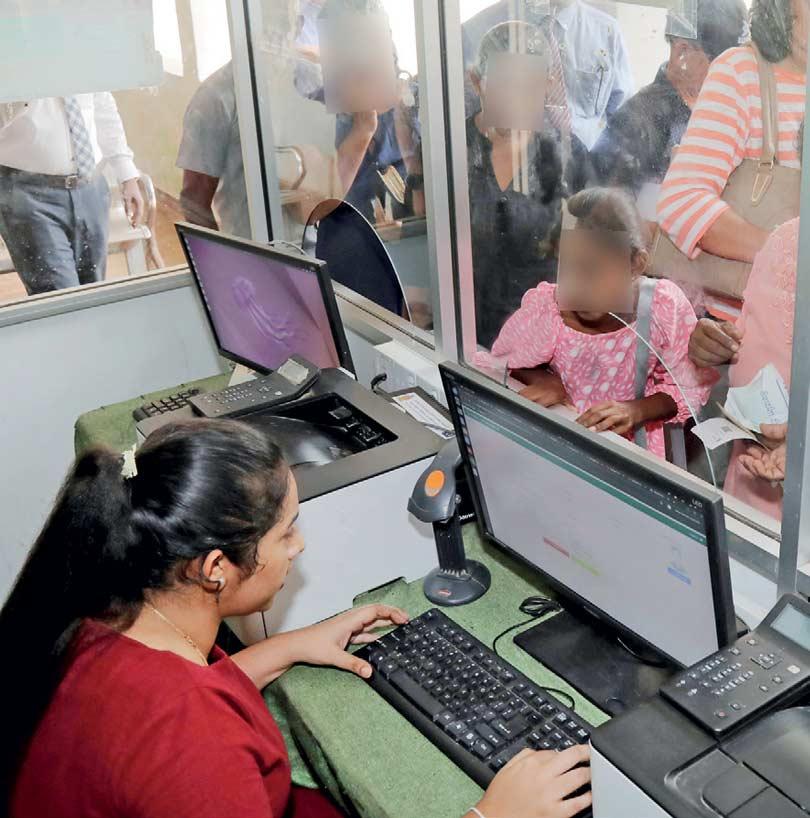
Patients being registered to the new health system
(Pics by M. A Pushpakumara)
The project, which was initially piloted in Thambuttegama and Dambulla, will now be implemented in Uva and Sabaragamuwa provinces as well. The ADB has provided USD 163 million—USD 14.7 million as a loan and another USD 15.5 million grant to ensure that this project reaches its target population of seven million across Central, North Central, Uva and Sabaragamuwa Provinces.
Through this new system, once a patient arrives at the hospital, his or her details would initially be registered at the registration desk. Following the registration the patient is issued with a card which includes the patient’s name, the Personal Health Number (PHN) and a barcode. Thereafter patients will be issued a token to avoid jumping queues or to minimise overcrowding at orthopedic services.
Once a patient is being called in the doctors would speak to them, conduct diagnosis and all their information would be uploaded digitally. Each department is now able to identify a patient with their respective PHN and obtain their X-rays, blood, urine samples and prescribe necessary medicine. Once they provide their health card to the pharmacy, the pharmacists then issue the medicine after checking their records which are now available at the click of a button. Plans are also underway to develop a Master Patient Index so that patients don’t have to worry in case they forget their health cards. In addition an SMS service would be offered to remind patients about their next appointments.
“The new system aims to eliminate errors due to unclear handwriting on prescriptions written by doctors and to basically do away with paperwork and fully digitize the system,” said Dr. Prabhath Jayakody, Director at the Thambuttegama Base Hospital. When asked how the staff was trained for each task, he said that everybody was keen to learn the new system and that they were trained in about a week’s time.
During our visit, the Daily Mirror spoke to a few patients to understand their experiences with this new system. Sugandika from Ikiriwewa, Thambuttegama, said that this new system has made things faster. “We don’t have to wait for long hours to get our medicine anymore, and it’s a big relief for us,” she said, speaking to the Daily Mirror.
The Primary Healthcare Enhancement Project also includes upgrading 125 primary medical care units and renovating 106 field health centers. When asked about challenges in executing the project, J. M. H. Jayasundara, Principal Social Development Officer at ADB, said that there were challenges with stakeholders adjusting to ADB procedures. “We are strict about procurements, everything from the advertisement to the contract award. We had to develop 13 modules for the cluster model. Then we faced a challenge of finding IT experts within the country, as many professionals migrated during the economic crisis. Luckily, the IT firm that we worked with remained, but they, too, had people migrating from time to time. We still have some challenges with regard to sharing information, and these matters are at discussion stage,” he said.
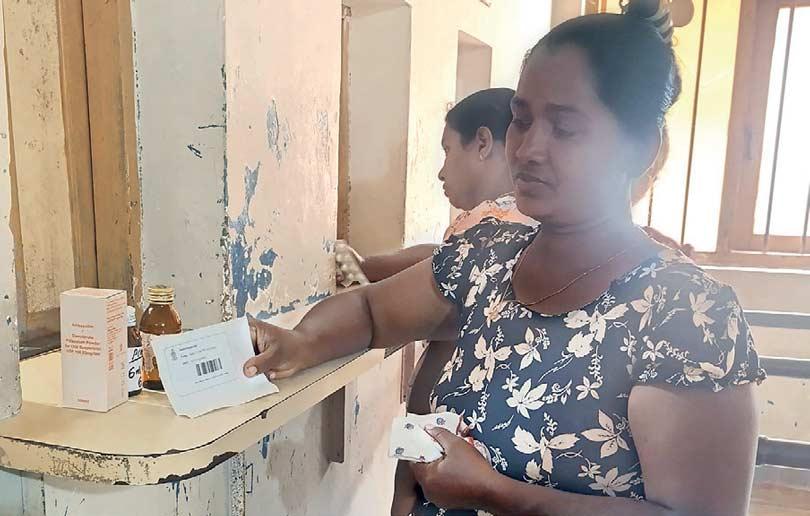
Sugandika from Ikiriwewa, Thambuttegama says that the new system has made the system faster
07 Jun 2026 07 Jun 2026
07 Jun 2026 07 Jun 2026
07 Jun 2026 07 Jun 2026
07 Jun 2026 07 Jun 2026
07 Jun 2026 07 Jun 2026