15 Jan 2026 - {{hitsCtrl.values.hits}}
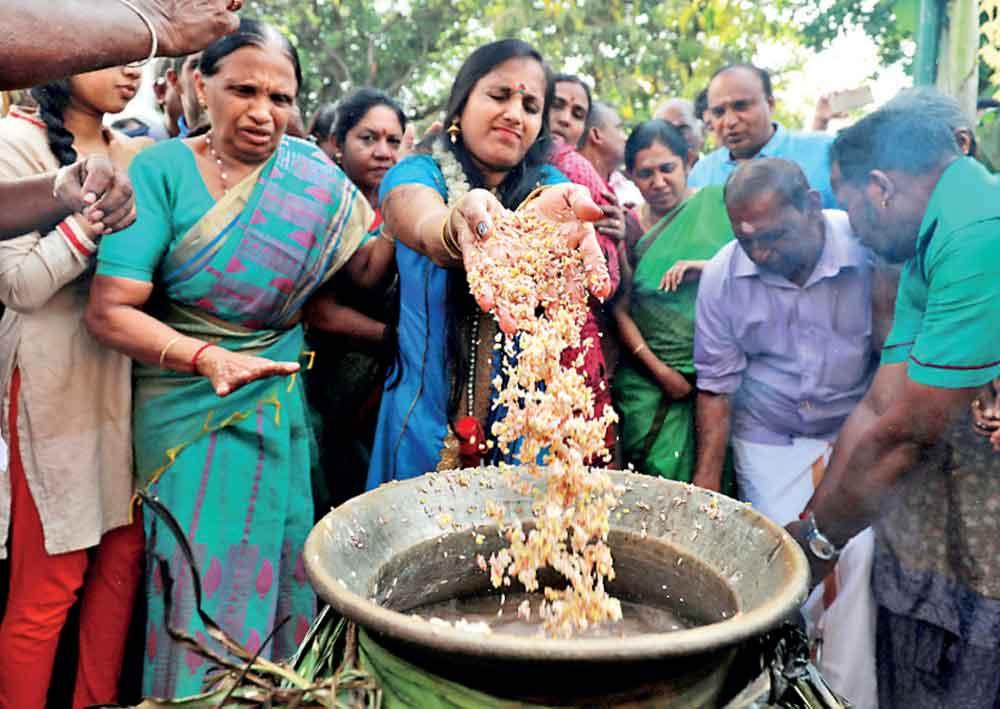 Thai Pongal is a harvest festival celebrated by the Tamil community worldwide
 As we celebrate Thai Pongal today (January 15) let us take some time to reflect on the religious and cultural aspects of this important festival. This festival has a religious, social, cultural and mythological importance in Hindu mythology. Thai Pongal is a harvest festival celebrated by the Tamil community worldwide, including Sri Lanka, India (especially Tamil Nadu), Malaysia, Australia, Mauritius, South Africa, the United Kingdom, Canada, Fiji and Singapore.
The Thai Pongal is a festival of happiness, joy, peace, prosperity and abundance.
This festival is a celebration by Hindus to thank the ‘Sun God’, Mother Nature and the various farm animals for the contribution to ensure a ‘bountiful harvest’.
Pongal is celebrated in the Tamil month, ‘Thai’ (from mid-January to mid-February), which is considered an auspicious month, which usually falls on January 14 or 15 every year.
May the Sun God bring light and energy to you and your family members and loved ones. During this festival we are talking about ‘The Harvest of Happiness and Joy’ that brings endless possibilities, opportunities and blessings. All this will happen through divine and spiritual intervention. These celebrations would ensure inner peace, serenity, tranquility and world peace.
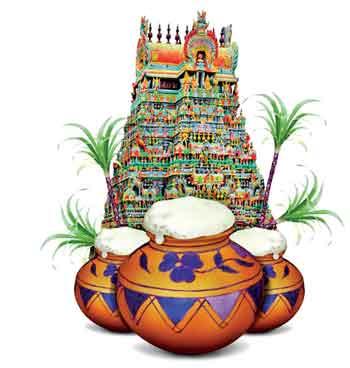 History of the festival
People believe that the festival was also celebrated in the ancient Chola Empire days; these celebrations dating to the Sangam age from 200 BC to 300 AD.
The uniqueness and significance of the sun and the Thai Pongal festival must be understood.
The Sun is the ‘universal deity’, for everyone irrespective of people being Buddhist, Catholic, Muslim, Chinese or belonging to any other religious community. All of these people must consider taking part in this celebration by worshipping the sun, not only on Thai Pongal day, but every day. Worship the sun during ‘sunrise’ to get ‘his’ blessings in abundance, energy, vitality, leadership and power. The sun is considered the prime force of our solar system.
You will agree with me if I say that the “sun is considered our life’s engine”, as without the sun’s energy, earth would be a frozen and become a lifeless planet. The sun provides the fundamental energy to food chains and the water cycle.
The sun plays a pivotal role in our day-to-day life for sustenance. There are symbolic references and meanings behind the sun and its worship. The sun is not just the giver of light and life and heating and illuminates the world, but is an all-seeing source of wisdom, a cure for disease and patron of justice and the soul. The sun is also known to typify energy, power, positivity and clarity.
Since ancient times, the Thai Pongal has been celebrated within the space of four days. However, with rapid urbanisation and culture shifts and major economic crises in the country, it has been limited to only a day in Colombo. People in other major cities and elsewhere stretch their celebrations for two days.
The first day of Pongal is called ‘Bhogi Pongal’. It is a day when cleaning and discarding of belongings are carried out to signify a ‘fresh start’. New clothes are worn and houses are decorated in the spirit of the festival.
Day 2: Surya (sun) Pongal
On this day, the Sun God is honoured and the occasion is celebrated by families getting together to cook special dishes like, ‘Sakkarai (jaggery) Pongal’ and ‘Ven (white) Pongal’ , at auspicious timings, using a clay pot that symbolises the ‘bounty of harvest’. As the milk boils freely over the pot, family members shout out with ebullience, ‘Pongalo Pongal’.
The dish is then offered to Lord Ganesha and to the Sun God, expressing gratitude for the prosperity bestowed upon them and then shared with the gathered friends and family. Then people traditionally offer prayers to the Sun God in the open and they proceed to feast on several Pongal dishes that are specially prepared for the day. Also, they get involved in drawing Rangoli or ‘kolam’ (colourful decorative floor patterns), at the entrance of one’s home and engage in traditional rituals at the beginning of the day.
Health benefits of the festival
Pongal is a crispy dish and one of the healthiest snack choices that you could make and enjoy.
If properly made, it will have protein, magnesium, iron, calcium and potassium. Pongal is good for the heart, immune system and digestive system.
Day 3: Maatu Pongal
The third day is called ‘Maatu Pongal’. This day is devoted to honour and worship the cattle (maatu or maadu), to remember the labourious work they do by ploughing the land. Cows are bathed and adorned with multi-coloured beads, flowers, garlands and bells.
Day 4: Kaanum Pongal
The fourth and final day of Pongal is called ‘Kaanum Pongal’. On this day, importance is given to the communities and to strengthen ties with them. Families gather together to have a sumptuous meal. Young members seek the blessings of older members in their families. It is also a day for traditional folk dances.
Celebrate this ‘Sacred day’ with your family, friends, relatives and neighbours irrespective of caste, class, creed, or nationality, with a heart filled with cheer and fervour.
“Wishing you, your family and loved ones a bright, happy and joyful Thai Pongal.”
“May almighty Lord Shiva, Lord Ganapathi, Lord Muruga, Goddess Parvathi and the Sun God bless you all abundantly.”
(The writer is a master numerologist, mameologist, graphologist, gemmologist, astrologist and vastu specialist and an author)
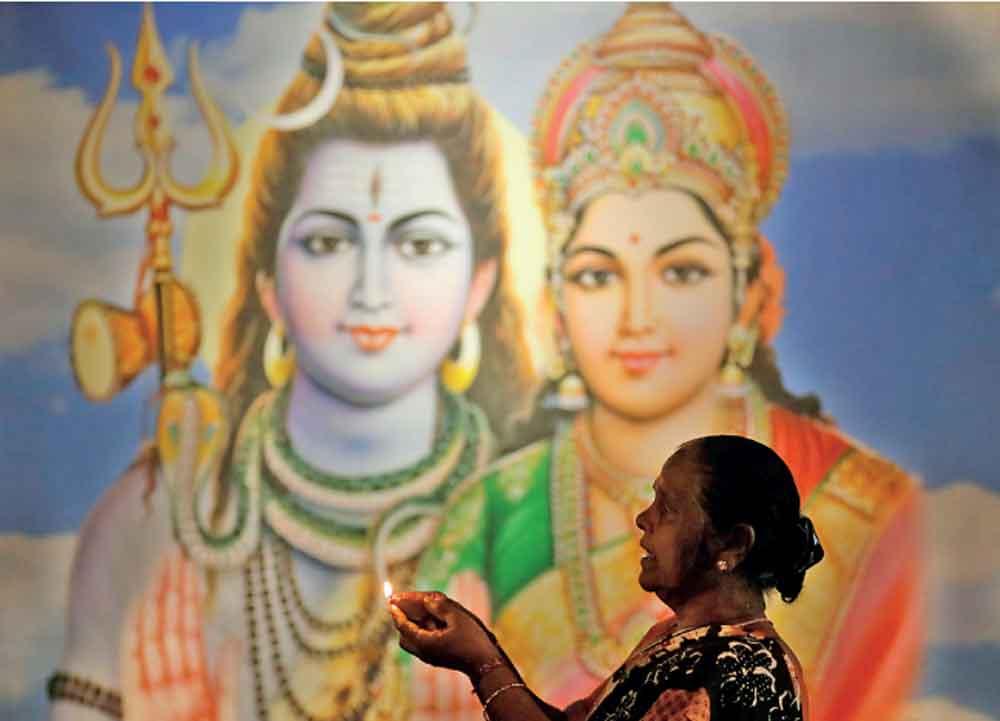
Devotees believe that by offering prayers to deities like Lord Shiva, Lord Ganapathi, Lord Muruga, Goddess Parvathi and the Sun God they can receive their blessings
07 Jun 2026 49 minute ago
07 Jun 2026 2 hours ago
07 Jun 2026 4 hours ago
07 Jun 2026 6 hours ago
07 Jun 2026 6 hours ago