17 Jan 2026 - {{hitsCtrl.values.hits}}
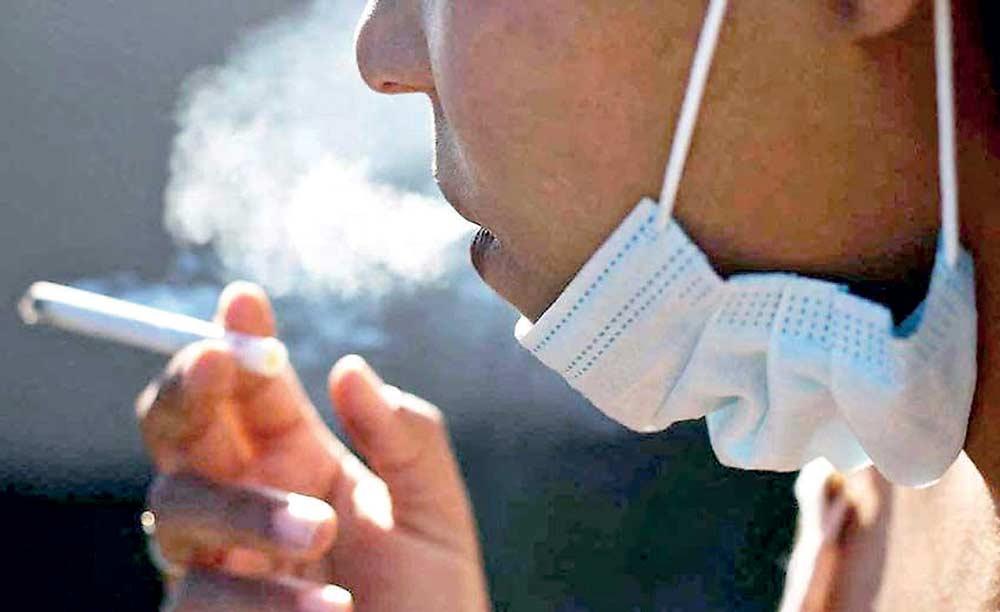
cigarette filters, used for over five decades, offer no real health protection and are simply a form of consumer deception
 Official data indicate that Sri Lanka is a net importer of tobacco leaf, importing nearly US$61 million in 2024, compared to exports of approximately US$28 million

As the leading cause of preventable death globally, tobacco continues to impose a devastating toll on public health, national economies and the environment. Medical experts state that the tobacco industry remains one of the deadliest in the world, responsible for the deaths of one in every three of its consumers.
In Sri Lanka, tobacco use annually contributes to an estimated 22,000 premature deaths, while the combined economic losses from alcohol and tobacco consumption amount to a staggering Rs. 241 billion. Despite longstanding control efforts, the country has recently recorded a troubling setback, ranking 45th in the 2025 Global Tobacco Industry Interference Index (TII index), reflecting the continuous influence of the tobacco industry, and raising concerns regarding the effectiveness of current health safeguards.
During a discussion with the Daily Mirror, the Chairman of the National Authority on Tobacco and Alcohol (NATA), Dr. Ananda Rathnayaka explained that when tobacco was first introduced to the global market, its harmful effects were not understood for nearly a century. By the time its impact on the human body became clear, tobacco use had already become deeply entrenched worldwide. Today, cigarette smoking accounts for an estimated eight million premature deaths globally each year.
Fifty deaths per day
“In Sri Lanka alone, more than 1.5 million adults are smokers, contributing to over 50 tobacco-related deaths every day, amounting to approximately 22,000 premature deaths annually. Statistically, one out of every two smokers is likely to die prematurely, making this the only industry which ultimately kills up to half of its consumers,” he noted.
Consultant Respiratory Physician and council member of Sri Lanka College of Pulmonologists, Dr. Wathsala Gunasinghe outlined the severe health impact of tobacco use. She explained that cigarettes contain toxic substances such as nicotine, tar, benzene, formaldehyde, and arsenic which damages the lining of the lungs when inhaled, and harm the entire body once absorbed into the bloodstream.
“Smoking causes a range of lung diseases, including chronic obstructive pulmonary disease (COPD) such as chronic bronchitis and emphysema, as well as lung cancer and respiratory infections like pneumonia, influenza, and tuberculosis, affecting both active and passive smokers,” she said, noting that the life expectancy for smokers is at least 10 years shorter than for nonsmokers, and that quitting before the age of 40 can reduce the risk of death from smoking-related diseases by nearly 90 percent.
Furthermore, Dr. Rathnayaka said that the tobacco industry continues to exert influence across multiple levels of government while significantly impacting the national economy.
“Sri Lankans spend around Rs. 520 million per day on cigarettes, which worsens financial strain on individuals and families, and is a massive burden on the country’s healthcare system,” he said and added that the combined economic loss from alcohol and tobacco consumption in Sri Lanka amounts to approximately Rs. 241 billion annually. According to him, nearly 80 percent of the industry’s shareholders are companies based in the United States and the United Kingdom, meaning a substantial share of the profits flows overseas.
Official data indicate that Sri Lanka is a net importer of tobacco leaf, importing nearly US$61 million in 2024, compared to exports of approximately US$28 million. The Alcohol and Drug Information Centre (ADIC) states that the Rs. 520 million spent on cigarettes per day annually leads to 1.5 percent of the country’s Gross Domestic Product (GDP), and that the annual economic loss of Rs. 241 billion is one-fifth of the total economic loss caused by cyclone Ditwah and 40 percent of the total budget allocated by the government for healthcare.
Studies show that illicit cigarettes account for about 11% of the global market, and in Sri Lanka, cigarette smuggling mainly occurs through duty-free zones, passenger luggage, seaports, transit points, and freight, which is often fueled by high taxes, severely undermining tobacco control.
Dr. Rathnayaka also highlighted several key points discussed at the 11th Conference of the Parties (COP11) to the WHO Framework Convention on Tobacco Control held in Geneva. He warned that the tobacco industry continues misleading and unethical practices to maintain its market presence.
As he put it: “All states agreed that cigarette filters -- used for over five decades -- offer no real health protection and are simply a form of consumer deception.He further explained that cigarette filters are non-biodegradable, single-use plastics containing toxic substances, with nearly 10 million discarded into the environment each day in Sri Lanka alone. Dr. Rathnayaka also highlighted the environmental damage caused by tobacco cultivation, including deforestation and the misuse of land that could be used for food production instead. He added that tobacco farming is highly water-intensive, and affects farmers who already struggle with scarce water resources in these regions.
“As its traditional consumer base declines, the tobacco industry is seeking new alternatives by targeting youth and other vulnerable groups, particularly through electronic cigarettes such as vapes. While these products are often marketed as less harmful, they still pose major long-term health consequences. At the conference, it was also discussed that despite tobacco advertising being banned in most countries, the industry has shifted its promotional efforts to social media platforms, and regulating such content is challenging due to its cross-border nature.”
Dr. Rathnayaka thus emphasised the need for stronger international cooperation to effectively address the issue.
Experiences as a chain smoker
An interviewee, who wishes to remain anonymous, shared a personal account of his years as a chain smoker and the harsh realities that ultimately forced him to confront the consequences of his addiction.
“For many years, smoking was just a routine part of my daily life, something I never really thought could seriously affect my future, but everything changed when I was diagnosed with kidney failure in one of my kidneys. On top of the physical toll, the financial burden was overwhelming, especially since I’m the sole provider for my family, and barely earn enough to cover our basic needs. Medical bills are so costly, and knowing that my health could worsen and that I might leave my family without support forced me to rethink everything. It was a hard choice, but after much struggle I was finally able to quit smoking. It wasn’t just about me anymore, it was about my family, and our future,” he said with conviction, urging people to recognise the severe impact smoking has on their health and financial situation before it is too late.
Despite laws banning smoking in public places, passive smoking is a major public health concern, mainly linked to the high prevalence of tobacco use among male household members. Second-hand smoke exposure disproportionately affects women and children who inevitably inhale the smoke. Medical experts state that even occasional exposure leads to high risk of respiratory illnesses and chronic diseases.
The TII Index assesses how tobacco industry strategies impact public health policies. Sri Lanka ranked 45th in the Global TII 2025, with its score worsening by three points since 2023. This reflects an increased tobacco industry interference and weak implementation of public health measures in Sri Lanka.
Although NATA has taken measures to control tobacco use, Dr. Rathnayaka emphasised that tobacco remains a major public health concernin Sri Lanka. “Our efforts include raising public awareness, banning advertisements, enforcing age restrictions, mandating pictorial warnings on cigarette packs, and establishing smoke-free public areas. These measures have helped reduce tobacco use to under 10 percent of the population. However, there is still much to be done, we are currently working to strengthen the NATA Act by introducing additional legal measures aimed at reducing the affordability of cigarettes, particularly for youth. Cigarettes often serve as a gateway product, leading some consumers to experiment with and eventually become addicted to harder illicit drugs,” Dr. Rathnayaka concluded, stressing that public health must take precedence over commercial interests, and that preventing all forms of tobacco industry interference is essential to protect future generations.
07 Jun 2026 52 minute ago
07 Jun 2026 2 hours ago
07 Jun 2026 4 hours ago
07 Jun 2026 6 hours ago
07 Jun 2026 6 hours ago