28 Jan 2026 - {{hitsCtrl.values.hits}}
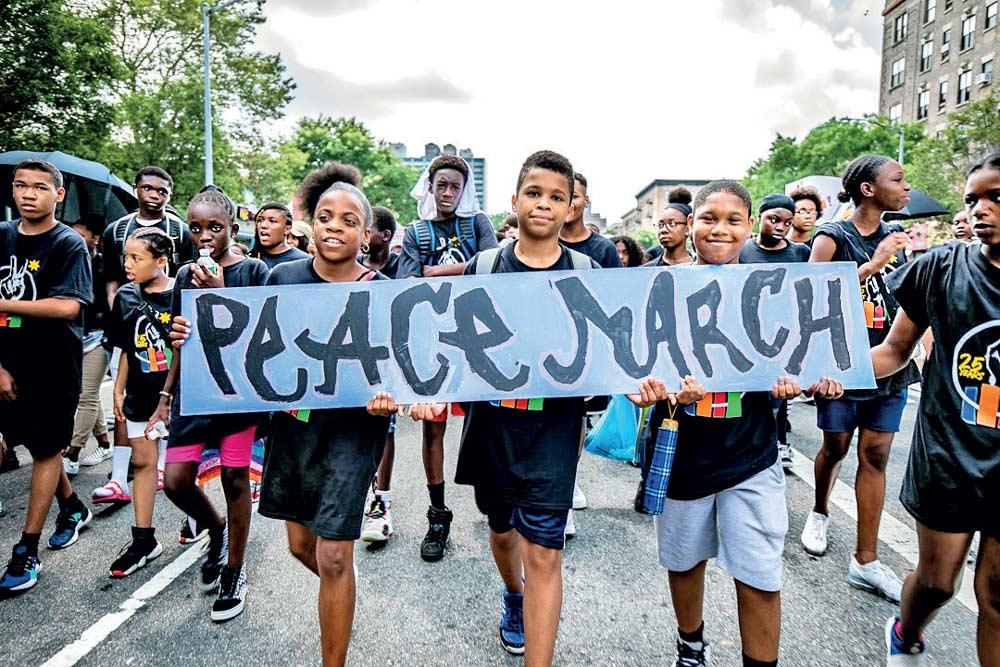
The universal declaration of human rights lays the foundation for a peaceful coexistence by affirming the dignity, equality and rights of the people
 Peace is more than the absence of war. It is the ability to live together amid differences
Undoubtedly war is the most serious threat against the situation of peaceful coexistence
Universal Declaration of Human Rights supports peaceful coexistence and lays the foundation for lasting peace security and harmony
 At the national level coexistence is still more important and necessary as evidenced recently when the entire population came forward to help the victims of floods, cyclone earth slips, notwithstanding all the differences, racial, religious, social, cultural etc.

Coexist is to live or be together at the same time or in the same place. It is cohesion or the ability to stay or fit together well. Thus, peaceful coexistence is to live or be together in peace not wanting or involving in war, violence, conflict or argument. The word “peace” has a broad meaning. Peace is more than the absence of war. It is the ability to live together amid differences of sex, race, language, religion or culture while upholding justice and human rights that make such coexistence possible. Undoubtedly war is the most serious threat against the situation of peaceful coexistence. When there is a war between two countries or among a number of countries there is limited or no way of maintaining relations such as consular services, trade, sports, tourism, cultural and religious activities etc. When a civil war or a riot is arisen in a country as a result of differences like race, language, religion or culture enmity is likely to be developed among the people or among groups of people such as cultural groups, religious groups, social groups, political groups or between the rich and the poor. One group of people will treat the members of another group as enemies and hate one another. In such a society or a country people cannot live in harmony and cannot coexist.
Levels at which coexistence is necessary
The family is the smallest group which is expected to maintain peaceful coexistence. There are very small families each confined to the husband and the wife with a limited number of children or having no children. Vast differences are not likely to arise among the members of such a family and it may be possible to maintain peaceful coexistence unless the members are unable to tolerate and compromise in minor differences. Divorce may be the ultimate result when it is not possible to maintain peaceful coexistence. There are extended families with grandparents and grandchildren and sometimes with aunts and uncles. Age differences may be an obstacle in maintaining peaceful coexistence. Needs and wants of grandparents will be quite different from those of the grandchildren. Each side should tolerate the words and deeds of the other side if peaceful coexistence is to be achieved.
At the village level differences in the standard of living of individual members and families and the values given by them to the race, ethnic group, caste, religious group, etc. to which they belong and the social and cultural values they cherish are barriers against the maintenance of peaceful coexistence.
At the district and provincial levels differences are worse than those experienced at the family level and the village level. In addition to racial, ethnic, caste, religious, social, cultural and economic differences there are geographical differences at the district and provincial levels. At these levels some people find it very difficult to live when there are floods, earth slips and the absence of basic facilities like water and electricity. In such circumstances the concept of coexistence is crucial because the offer of assistance and cooperation of those who can afford to those who are in need is the worthy way of promoting coexistence.
At the national level coexistence is still more important and necessary as evidenced recently when the entire population came forward to help the victims of floods, cyclone earth slips, notwithstanding all the differences, racial, religious, social, cultural etc.
At the national level there are ministers, public officers, nongovernmental organizations, and the clergy to direct, supervise and coordinate the activities connected with peaceful coexistence.
At the International and global levels the United Nations organization is playing the role of fostering young people to play major roles.
Tolerance, respect, diversity and human rights
International Day of peaceful coexistence is a new U.N. observance officially proclaimed for January 28, established by a March 2025 resolution to provide tolerance, diversity and human rights encouraging dialogue and understanding cultures and faiths. While being similar to the International day of living together in peace this newer day emphasises building peace proactively through inclusion and rejecting violence.
Five pillars of the 2030 agenda
When we talk about the five pillars of the 2030 agenda we take into account that the planet, prosperity, partnership and peace are central to its vision. The agenda preamble underscores the goal of fostering peace and ensuring that societies are inclusive and free from fear violence.
With global instability and conflict on the rise the International day of Peaceful Coexistence serves as a platform to raise awareness of diverse cultures, values, ways of life, beliefs and to highlight the role of education in promoting tolerance.
The day also offers an opportunity for the International community to reaffirm its commitment for promoting purposes and principles of the United Nations as enshrined in the International agreements and declarations over the years.
United Nations’ charter
As the corner stone of the International law, the charter enshrines the principles essential to peaceful coexistence; including the sovereign equality of states, the settlement of disputes by peaceful means, prohibition of threats or use of force and the promotion of friendly relations among nations.
Universal Declaration of Human Rights
The universal declaration of human rights lays the foundation for a peaceful coexistence by affirming the dignity, equality and rights of the people. By protecting freedoms and preventing discrimination regardless of race, religion or culture the United Nations’ Human Rights provides the ethical and legal basis for building a just, tolerant and inclusive societies.
Declaration of a programme of action on a culture of peace outlines a framework for promoting nonviolence, toleration, education, human rights, equality and participatory governance. It addresses the root causes of conflicts, builds trust among communities and nations. By fostering respect for diversity, eliminating discrimination and encouraging inclusive dialogue the declaration supports peaceful coexistence and lays the foundation for lasting peace security and harmony.
The United Nations General Assembly resolution of 04.09.2025 emphasises the role of member states and stake holders in promoting tolerance, respecting religious and cultural diversity and human rights.
07 Jun 2026 5 hours ago
07 Jun 2026 7 hours ago
07 Jun 2026 9 hours ago
07 Jun 2026 07 Jun 2026
07 Jun 2026 07 Jun 2026